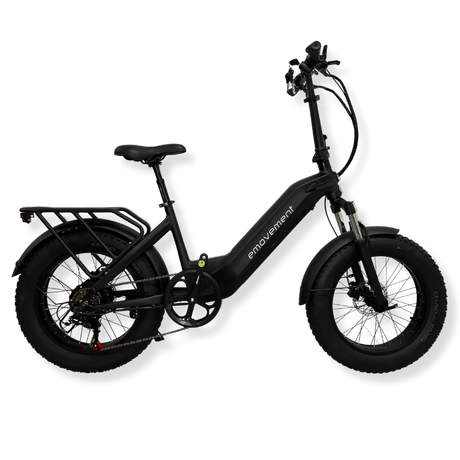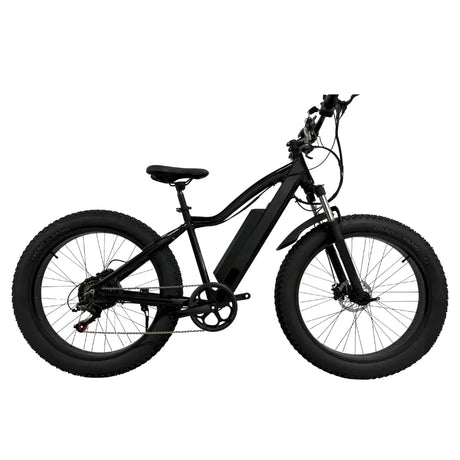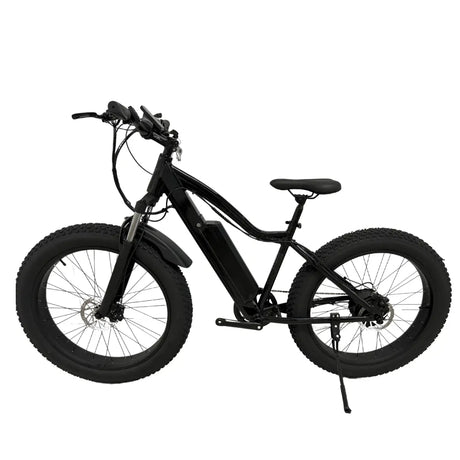

To protect your e-bike battery in winter, charge it only at room temperature and never below 0°C. Store it indoors in a dry room, and keep it at 30–70% charge if you won't ride for a while. Keep the battery contacts clean and dry, use the original charger, never leave it charging unattended, and never open the battery casing.
Why Does Cold Weather Reduce E-Bike Battery Range?
Cold slows down the chemical reaction inside lithium-ion cells and increases their internal resistance, so the battery delivers less power. This is not permanent damage. It is simply how the chemistry works, and normal output returns once the battery warms up.
As a rough guide, here is how much capacity a typical lithium-ion e-bike battery has at different temperatures compared with 25°C:
| Battery temperature | Approx. capacity vs 25°C | What to do |
|---|---|---|
| 25°C | 100% | Ideal operating range |
| 0°C | About 80% | Start with a room-temperature battery |
| −20°C | About 60% | Avoid riding; extremely rare in the UK |
Range-saving riding tips are covered in our guide to cold-weather e-bike battery degradation. This guide focuses on the charging, storage and safety habits that protect your e-bike battery in winter. Range is only half the story. How and when you charge matters even more.
When Is It Safe to Charge an E-Bike Battery in Winter?
Here are the two key things you need to know about winter charging:
- Charging below freezing causes permanent damage: Charging a frozen lithium-ion battery causes an irreversible reaction known as lithium plating. This can ruin the battery permanently and raises the risk of fire.
- Always let the battery warm up indoors before charging: After a cold ride, leave the battery somewhere warm for 1 to 2 hours before charging, so the cells get back to room temperature.
Charging safely is one part of the picture. Where the battery sits afterwards is the other.
Where Should You Store an E-Bike Battery in Winter?
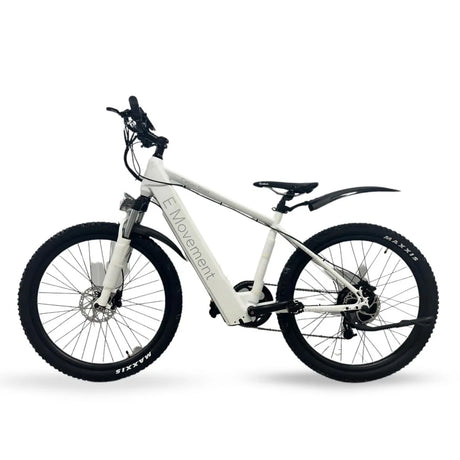
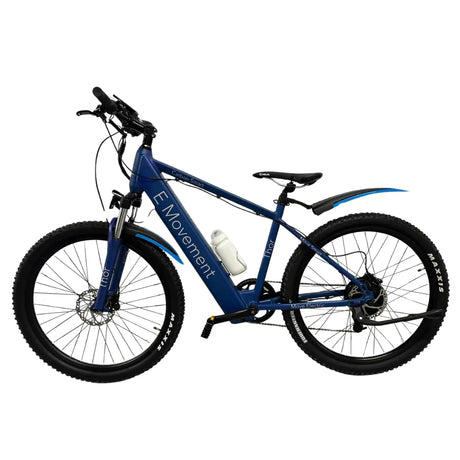
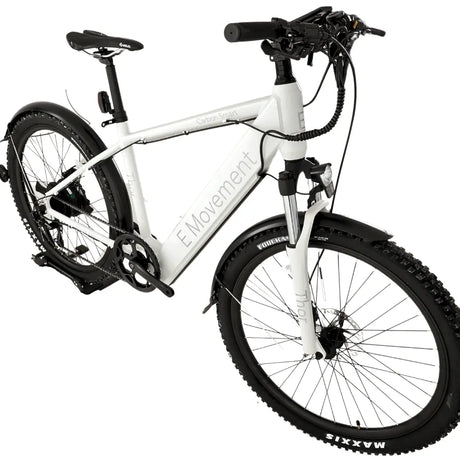
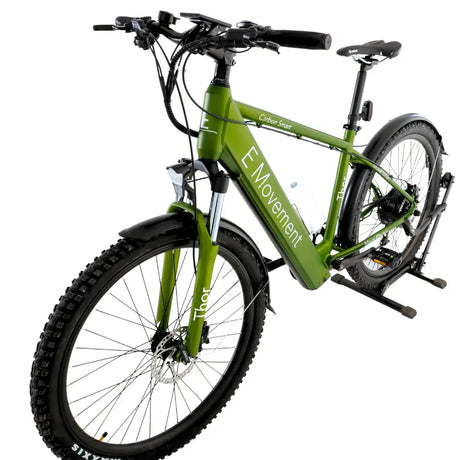
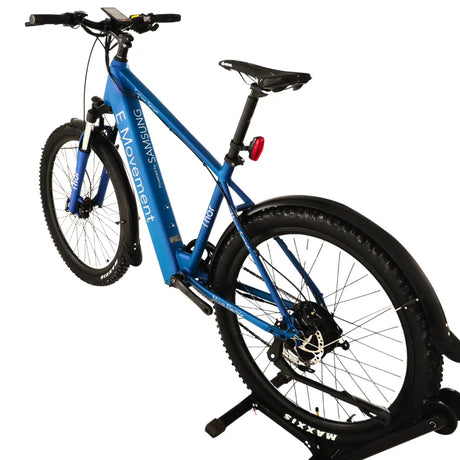
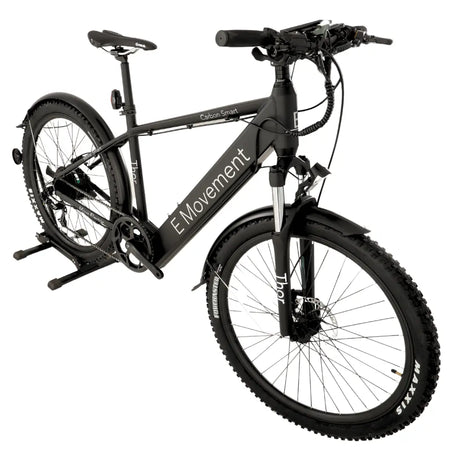
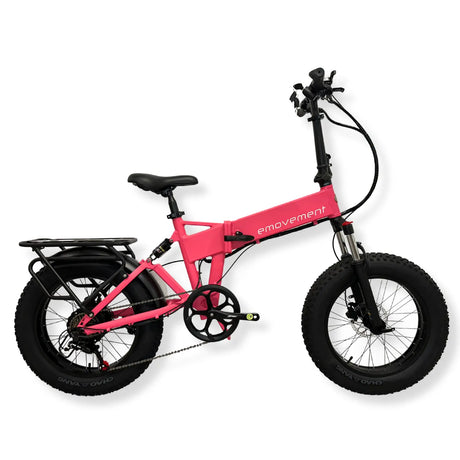
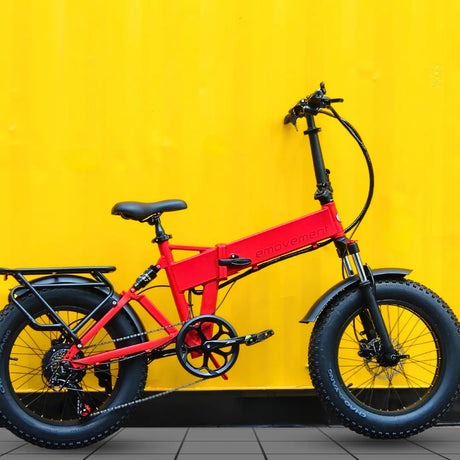
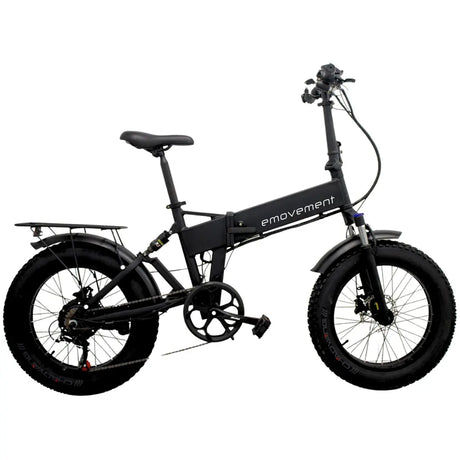
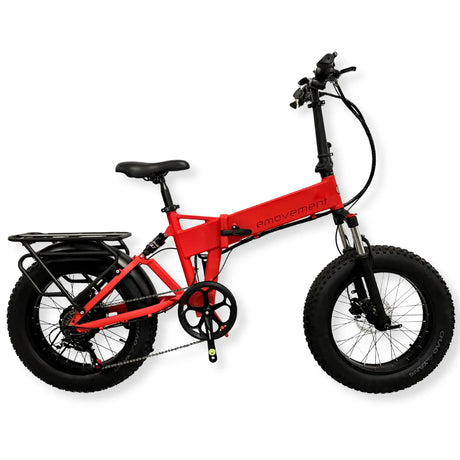
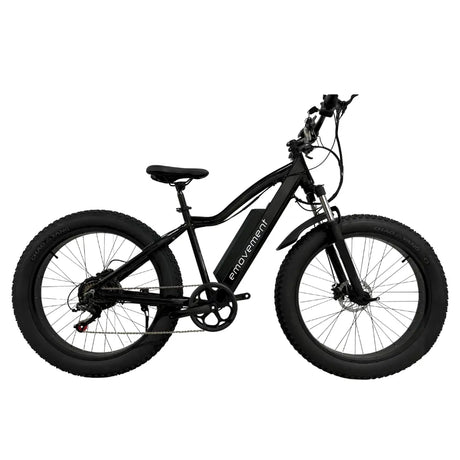
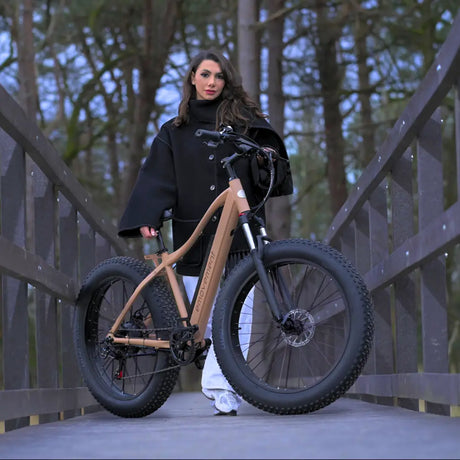
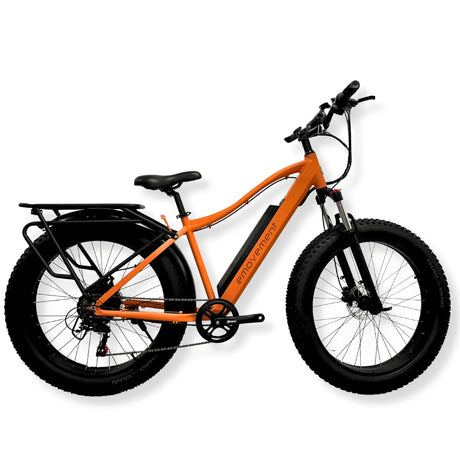
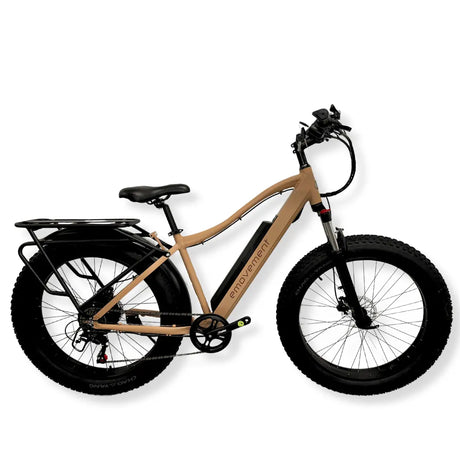
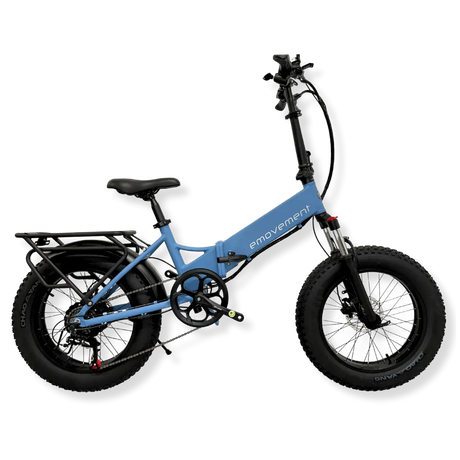
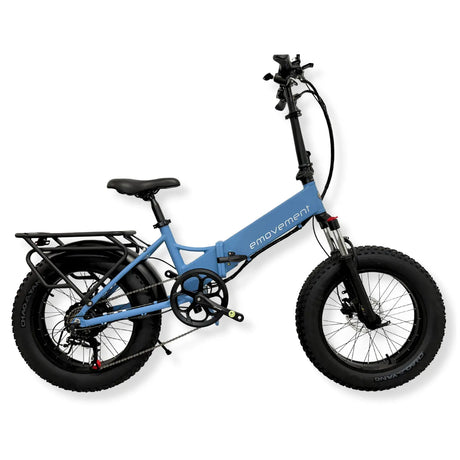
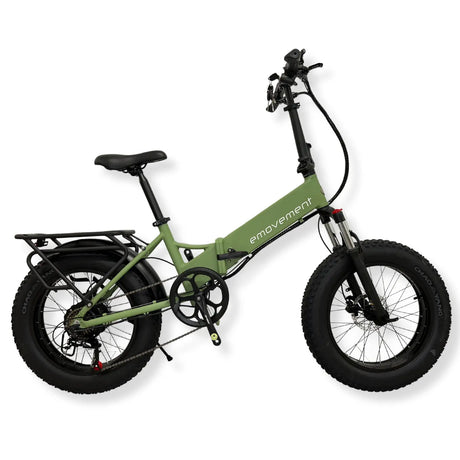
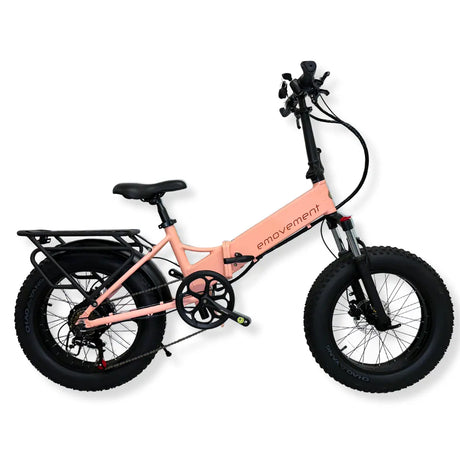
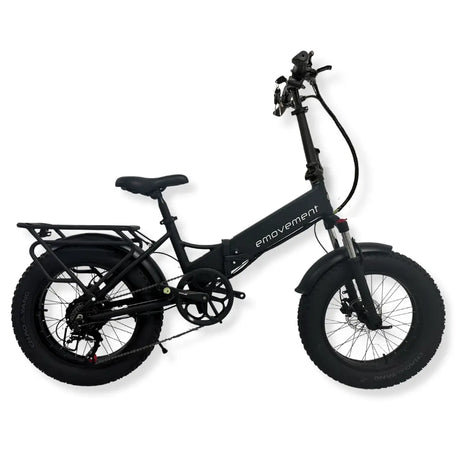
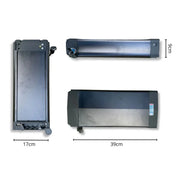
Store it indoors in a dry room at room temperature, away from flammable materials, and in a room with a working smoke alarm. For riding below 0°C, Bosch recommends charging and storing the battery at room temperature, then fitting it just before you ride. A removable battery makes that routine simple. E-Movement has a range of e-bikes with removable batteries, so you can carry the battery inside after every ride. Once it's safely indoors, the charge level you leave it at also matters.
What Charge Level Is Best for Winter Storage?
The best charge level for winter storage is around 60%, or a safe zone of 30% to 70%.
Storing a lithium-ion battery at roughly half charge lowers the stress on the cells and prevents two types of permanent damage over winter:
- Above 70% (too high): High voltage puts constant stress on the internal components, so the battery loses its maximum capacity faster.
- Below 30% (too low): The battery naturally self-discharges over time. If it starts too low, it can fall into a deep discharge state, which damages the cells and can stop the battery charging again.
E-Bike Battery Storage in Winter: Manufacturer Recommendations
Different e-bike battery makers recommend slightly different charge levels and temperatures for long-term storage. Use the table below as a quick reference for winter battery care.
| Battery | Recommended storage charge | Best storage temperature | UK winter advice |
|---|---|---|---|
| Bosch | 30% – 60% | 10°C to 20°C | Bring it inside. Wet British winters in unheated sheds will quickly degrade the battery. Store it in a hallway or utility room. |
| Shimano | Around 70% | 10°C to 20°C | Prevent deep discharge. Shimano systems prefer a slightly higher resting charge so the battery doesn't shut down over months of disuse. |
| Samsung cells | 50% – 60% | 10°C to 20°C | Keep away from frost. Common in UK e-bike packs. Cold causes faster voltage drop, so keep it indoors. |
| LG cells | 40% – 60% | 10°C to 25°C | Top up monthly. Check the charge indicator every 30 days and bring it back to roughly half if the lights drop. |
How Do You Keep the Battery Clean and Dry in Wet Weather?
E-bike batteries can handle normal British rain, but they are not fully waterproof. Standing water mixed with corrosive road salt can damage your electronics. Protect your components with these steps:
- Avoid pressure washers and deep water: High-pressure water can get past the motor or battery seals. Stay away from deep floods and submerged lanes, and clean your e-bike with a bucket of water and a cloth.
- Remove road salt straight away: Salt on UK roads is highly corrosive. After a wet ride, wipe the battery casing and its mounting bracket with a damp cloth.
- Dry the electrical contacts: Remove the battery after a wet ride and use a dry microfibre cloth to clear moisture or grit from the metal contacts.
- Store the battery in a dry place: Avoid damp spots where condensation builds up. Keep it indoors at the temperature your manufacturer recommends.
How Can You Get More Range from a Cold Battery?
When temperatures drop across the UK, you lose miles per charge. Protect your winter range with these steps:
- Move the battery indoors: Never leave it in a freezing shed or garage overnight. Keep it indoors until your next ride.
- Never charge a frozen battery: Let a cold battery warm up to the manufacturer's recommended range before charging.
- Use a neoprene thermal sleeve: A battery cover helps insulate the battery and reduce heat loss while you ride.
- Optimise assistance and tyre pressure: Use Eco mode on flat roads, pedal smoothly and choose suitable gears. Check tyre pressure weekly, as soft tyres increase rolling resistance and drain the battery faster.
How Can E-Movement Help You This Winter?
If you want to upgrade your setup or need professional care to get your ride winter-ready, we at E-Movement UK are here to help with our range of electric bikes, accessories and specialist servicing.
- Removable-battery e-bikes: Easy to bring your battery indoors and protect it from freezing temperatures.
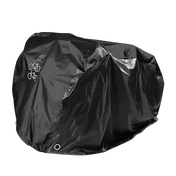
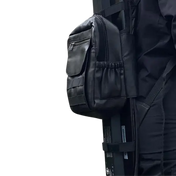
- Winter accessories and protection: Heavy-duty e-bike covers to protect your bike from damp conditions and water-resistant bags to keep your belongings dry.
- Official Bosch service partner: Specialist Bosch diagnostics, software updates and battery health checks to keep your e-bike reliable through winter.
- Expert workshop and repairs: Walk-in servicing and repairs at our Woking workshop, plus a UK-wide courier repair option.
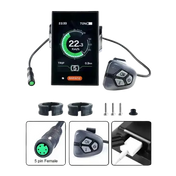
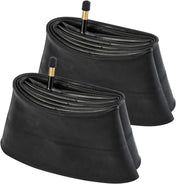
- Genuine spare parts and upgrades: Replacement chargers, compatible spare batteries, inner tubes and brake discs for wet and slippery winter roads.
- Battery recycling: When a battery supplied with one of our products reaches the end of its life, we offer a compliant take-back and recycling service.
Got questions about winter charging, battery storage or servicing? Contact our E-Movement team on 01483 363063 or visit emovement.co.uk.
Frequently Asked Questions
Can I charge an e-bike battery straight after a cold ride?
No. Let it warm to room temperature first. Charging below 0°C can cause permanent lithium plating, and Bosch batteries only accept charge between 0°C and 40°C.
Where is the best place to store an e-bike battery in winter?
Indoors, in a dry room at room temperature, away from heaters and flammable materials, with a working smoke alarm nearby. Avoid leaving it in freezing conditions.
What charge level should I leave my battery at over winter?
Between 30% and 70%. Long storage when fully charged or fully discharged can shorten battery life.
Is it safe to leave an e-bike battery charging unattended?
No. Never leave an e-bike battery charging unattended, and always use the correct charger for your battery. Our guide on how to charge an e-bike battery safely at home covers this in detail.
Can I remove the battery from my E-Movement e-bike?
Many E-Movement models have removable batteries. Check the product page, or contact us to confirm whether your model has one.
Can I open or repair my e-bike battery myself?
No. E-bike batteries must not be opened, and an opened battery may catch fire. If you suspect a fault, ask the manufacturer or an authorised service partner to check it.
Related Reading
- Riding an e-bike in the dark: UK light rules and winter safety tips
- How to ride an e-bike safely in rainy UK weather
- How to stop your e-bike being stolen in the UK
Protect Your E-Bike Battery This Winter with E-Movement
Keep your battery performing reliably through the colder months with our removable-battery e-bikes, winter accessories and specialist Bosch battery diagnostics.