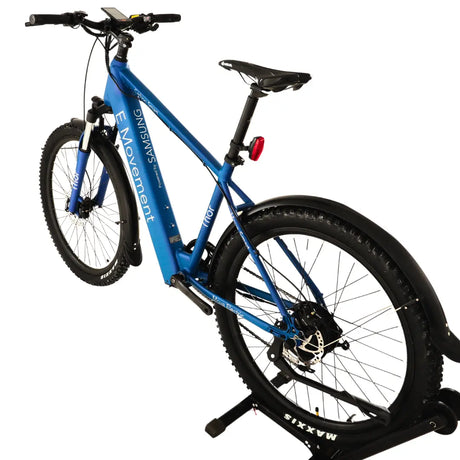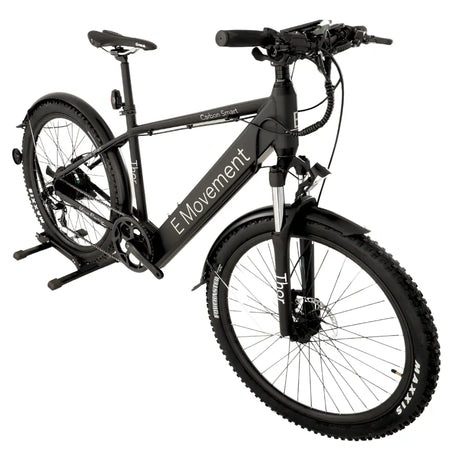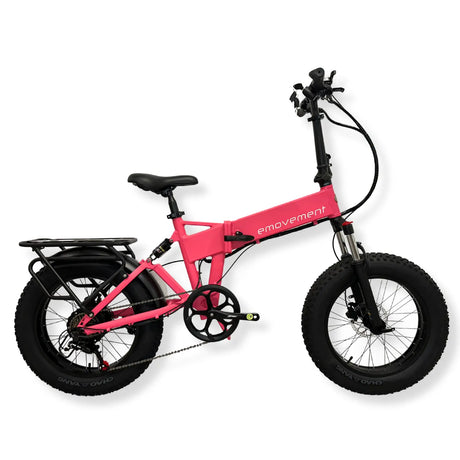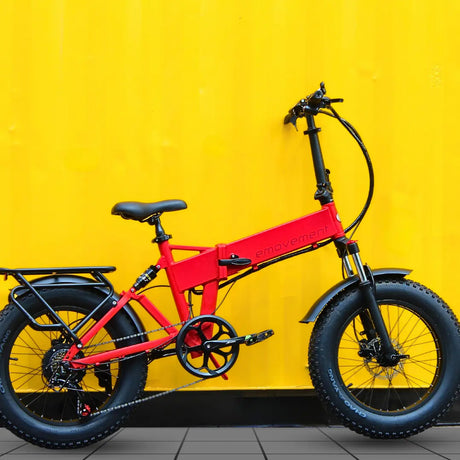

Riding an e-bike in the rain and wet conditions is one of the unavoidable parts of cycling in the UK, with continuous showers, puddles, wet roads, water pools, and reduced visibility creating more challenging conditions for everyday e-bike riding. These conditions can impact tyre grip, braking efficiency and overall riding conditions and thus you should take some basic safety measures when riding in rainy UK weather.
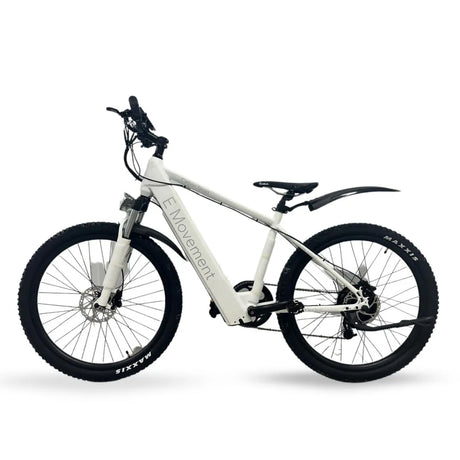
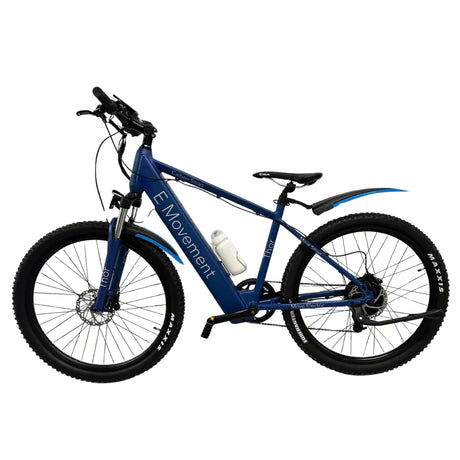
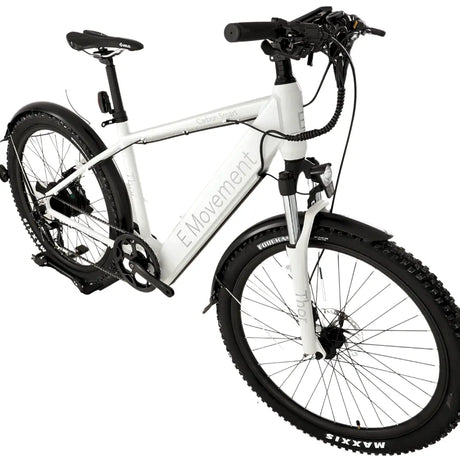
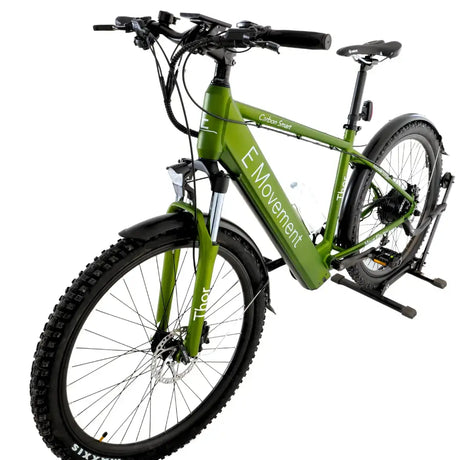
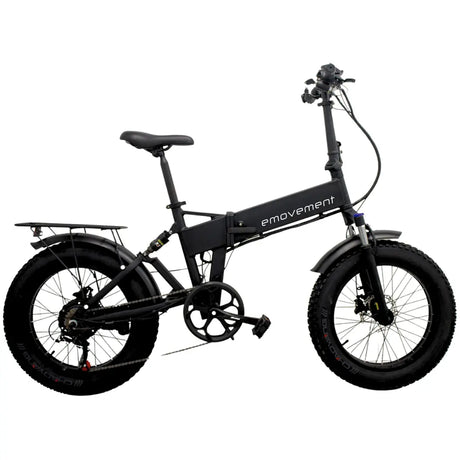
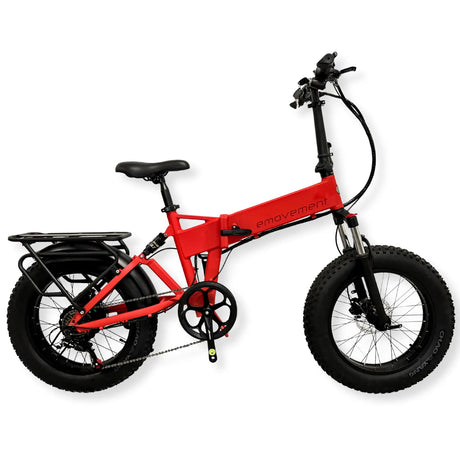
E-Movement electric bikes are well suited to everyday UK riding, with selected models featuring weather-resistant electrical components and reliable braking systems designed to handle typical wet-weather conditions. However, even a well-equipped e-bike requires sensible care when riding in heavy rain or on slippery roads.
In this guide, we will take you through all the useful tips you should know about riding your electric bike in rainy weather. These tips range from how you can protect your bike to selecting proper accessories and adjusting your riding style for safer journeys in rainy UK conditions.
Tips for Safe E-Bike Riding in Rainy UK Weather
Riding an e-bike in rainy UK weather requires a little extra care because wet roads, reduced visibility and slippery surfaces can affect your grip, braking and overall control. Here is what you need to know to keep your electric bike, yourself and other road users safer during wet-weather cycling.
Protect Your E-Bike Electronics Before Riding in the Rain
-
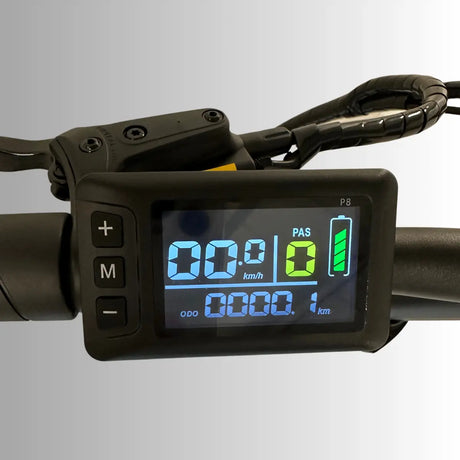
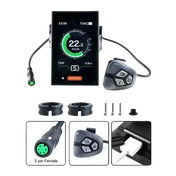
Protect the LCD display: Use suitable waterproof protection around the display and handlebar controls to help prevent rain from affecting the electrical system during wet-weather cycling.
-
Check exposed wiring: Inspect cables, connectors, and electrical connections around the handlebars and frame for signs of water exposure before navigating your electric bike commute in UK winter weather.
-
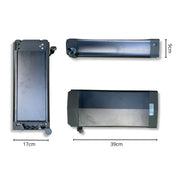
Keep battery connections dry: Ensure the battery is securely fitted and its connection points are clean and dry before starting your journey to ensure optimal e-bike battery maintenance for rainy UK seasons.
-
Avoid high-pressure water: Quality e-bikes can handle normal UK weather, but avoid directing high-pressure water at the motor, battery, display, or other electrical components when cleaning.
Choose the Right E-Bike Accessories for Wet Weather
-
Fit full-length mudguards: This will keep your clothes, the drivetrain, and other parts of the electric bicycle dry and safe.
-
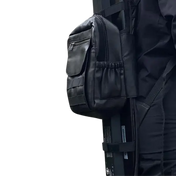
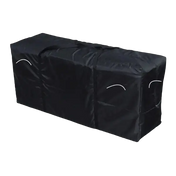
Keep your documents safe in waterproof cases: You need to store your documents and electronic items in waterproof e-bike pannier bags for UK commuters to protect them from heavy downpours.
-
Use a proper chain lubrication: Apply a wet weather bicycle chain lubricant for UK riders to protect the drivetrain from rust and grit when regularly riding in rainy conditions.
-
Carry useful wet-weather essentials: A waterproof layer, basic repair equipment, and suitable storage can make everyday electric bike commuting more practical when the weather changes.
Check Your E-Bike Tyres and Brakes
-
Inspect tyre tread: Check for sufficient tread and look for cuts, cracks, or excessive wear, as wet surfaces can reduce tyre traction on slick British tarmac.
-
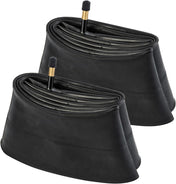
Check tyre pressure: Fine-tune your tyre pressure to support stable handling and grip, ensuring you choose the best e-bike tyres for wet UK roads to maintain traction.
-
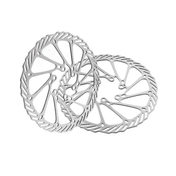
Test the brakes: Check your disc or rim brakes before setting off because wet conditions can significantly increase your electric bike stopping distance in heavy rain.
-
Fit full-length mudguards: Mudguards help reduce road spray from reaching your frame, drivetrain, motor, and battery during daily transit.
Improve E-Bike Visibility in Rainy UK Weather
-
Use front and rear lights: A bright white front light and red rear light can make you more noticeable to motorists, cyclists, and pedestrians in poor weather.
-
Keep light lenses clean: Remove mud, water, and road grime regularly so your high visibility e-bike lights for dark UK mornings remain effective during heavy rain.
-
Use lights during the daytime: Switch your lights on during dark clouds, heavy showers, and other low-visibility conditions to follow the best safe cycling tips for rainy UK afternoon commutes.
-
Position your lights correctly: Aim the front light towards the road without unnecessarily dazzling oncoming road users while cycling on UK streets.
Keep Your Vision Clear While Riding in the Rain
-
Wear suitable cycling glasses: Clear or appropriate tinted glasses can protect your eyes from rain while helping maintain a clear view of the road ahead.
-
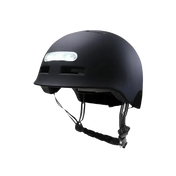
Use a helmet visor or cycling cap: These accessories can reduce the amount of rain reaching your eyes and glasses during persistent UK showers and sudden downpours.
-
Reduce lens fogging: Use a suitable anti-fog treatment or investing in the best cycling glasses for humid UK rainy days to maintain clear lines of sight.
-
Stop if visibility becomes poor: If you cannot see road markings clearly while cycling in UK rain, find a safe place to stop until the visibility improves.
Wear Reflective and Waterproof Cycling Clothing
-
Choose high-visibility clothing: A fluorescent or brightly coloured jacket can make you easier for other road users to see against dark, wet roads.
-
Use reflective details: Reflective strips on jackets, trousers, helmets, and accessories can improve safety during a low-light electric bike commute in London rainy weather.
-
Wear waterproof cycling gloves: Waterproof gloves can help keep your hands warm and comfortable while maintaining a secure grip on the handlebars during rainy rides.
-
Choose breathable waterproof layers: Finding the best waterproof cycling gear for UK e-bike riders ensures you stay dry from both the rain and sweat during longer year-round journeys.
Adjust Your Riding Style for Wet UK Roads
-
Reduce speed and increase following distance: Wet roads reduce tyre grip and increase stopping distances, so ride at a controlled speed and leave extra space behind vehicles.
-
Brake earlier and smoothly: Start slowing down sooner than usual and apply both brakes progressively to know how to brake safely on wet UK cycle paths.
-
Corner and steer carefully: Slow down before bends, keep steering movements smooth, avoid aggressive leaning, and maintain a steady line on wet UK roads.
-
Watch for slippery road hazards: Take extra care to avoid slippery manhole covers on wet UK roads, as well as painted cycle-lane markings, fallen leaves, and standing water.
Carry an Emergency Kit for Rainy E-Bike Rides
-
Pack basic repair equipment: Carry a compact bicycle repair kit with essential tools for dealing with minor problems during an electric bike commute.
-
Bring a spare battery or power solution: If appropriate for your e-bike, carry a suitable backup power option so you are better prepared for longer journeys or unexpected delays.
-
Include basic first-aid supplies: A small first-aid kit can be useful for dealing with minor injuries or unexpected situations while riding in the UK.
-
Carry a reliable light: A compact backup bicycle light can provide extra visibility if your main lighting system stops working or your journey takes longer than expected.
Clean and Dry Your E-Bike After Riding in the Rain
-
Remove surface dirt and water: Wipe down the frame, wheels and other exposed areas after a wet ride to prevent road grime from building up.
-
Dry the bike thoroughly: Use a clean, dry cloth to remove excess moisture, paying particular attention to areas where water may collect.
-
Check for moisture around electrical parts: Inspect the battery area, charging port and connectors and allow them to dry naturally before charging the e-bike.
-
Inspect the bike regularly: Look for early signs of corrosion, rust, worn components or other issues after frequent wet-weather e-bike riding in the UK.
Buy Your Next E-Bike with E-Movement UK
-
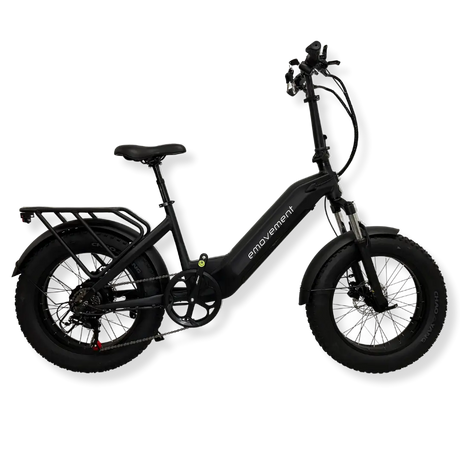
Built for British weather: Selected E-Movement electric bike models feature IP65 water resistance, helping protect key electrical components from rain and road spray during everyday UK riding.
-
Reliable stopping control: Hydraulic disc brakes on selected E-Movement models provide responsive braking and control, helping riders feel more confident when conditions are wet.
-
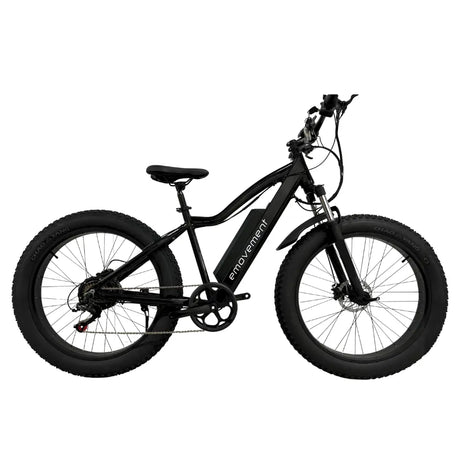
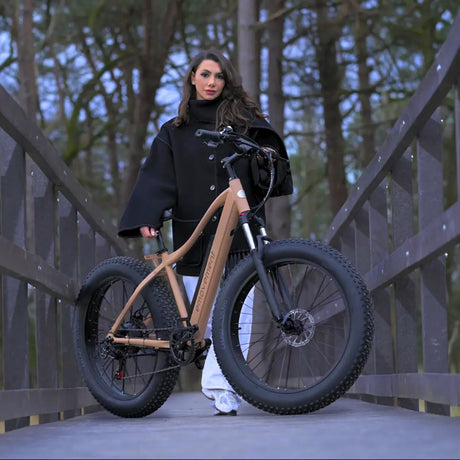
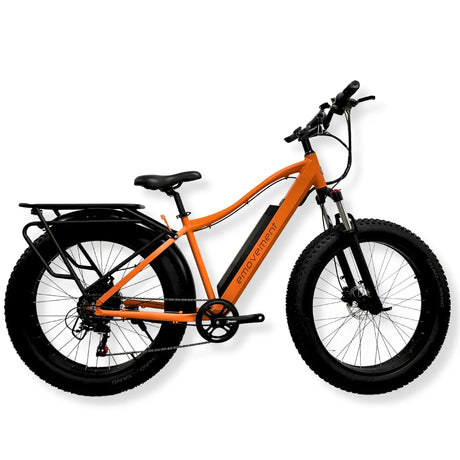
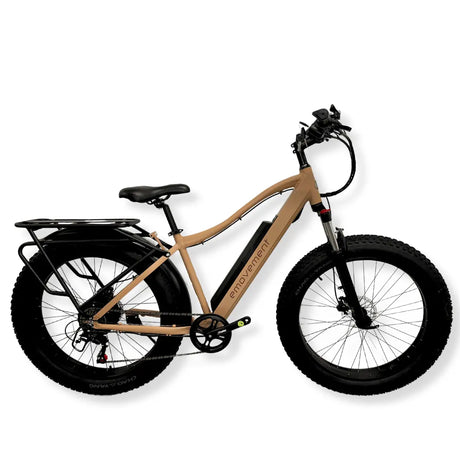
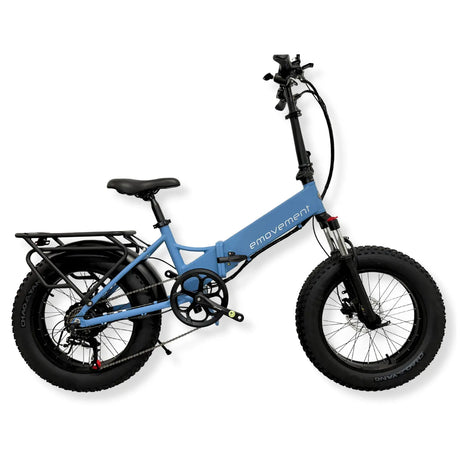
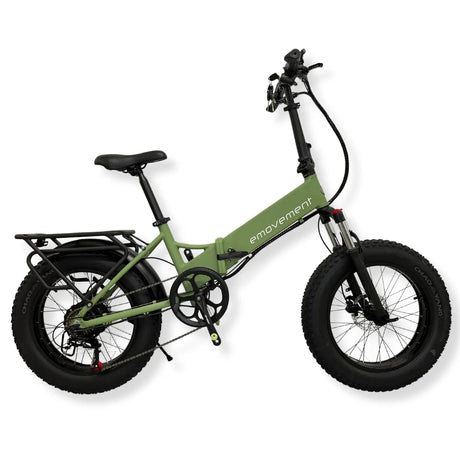
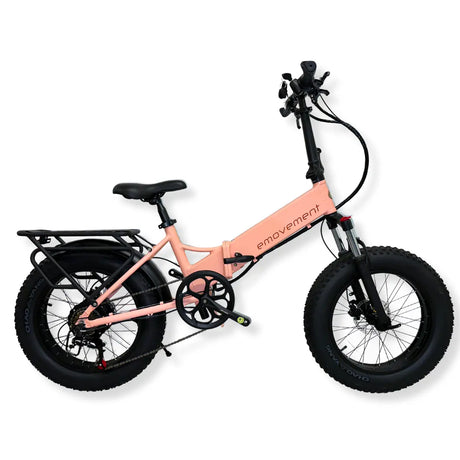
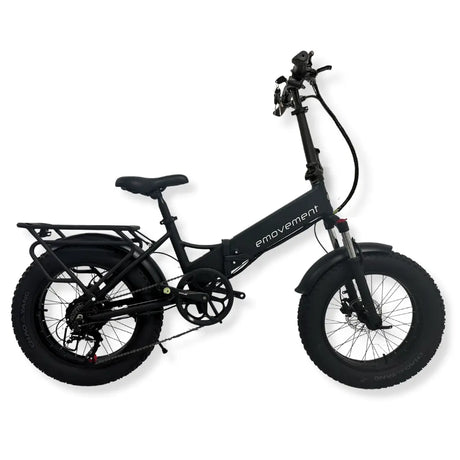
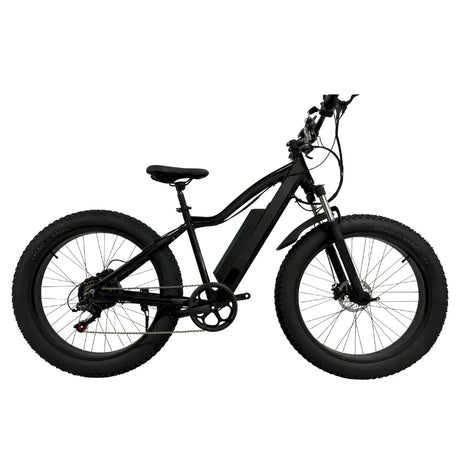
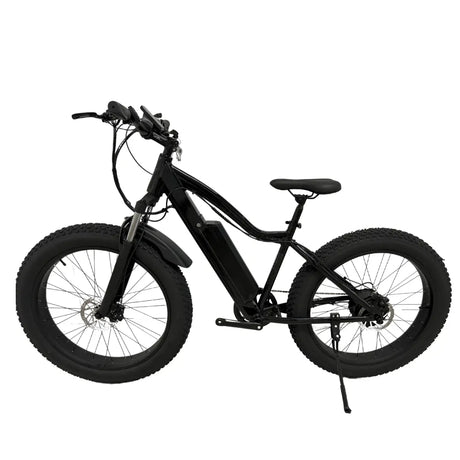
Extra stability with fat tyres: Models with wide fat tyres, such as the Pixie and Aries, offer a larger contact area with the ground for added traction on wet leaves, muddy paths and slippery surfaces.
-
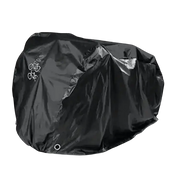
Water-Resistant E-Bike Accessories: E-Movement offers practical accessories for wet-weather riding, including bike covers, battery protection, mudguards, fenders and water-resistant lighting, helping protect your e-bike and improve visibility during rainy UK journeys.
Frequently Asked Questions
1. Can you ride an e-bike in the rain in the UK?
Yes, most modern e-bikes can be ridden in normal rain when used according to the manufacturer's guidance. However, e-bikes are generally water-resistant rather than completely waterproof, so avoid deep or flooded water and take care of the electrical components after a wet ride.
2. Is it safe to ride an electric bike on wet UK roads?
Yes, but wet roads require extra caution. Reduce your speed, allow more stopping distance, brake smoothly and take particular care around road markings, metal covers, leaves and standing water.
3. Can rain damage an e-bike battery?
Water can damage electrical components if it enters the battery or its connections. Keep the battery and charging area dry, avoid submerging the bike, and allow wet components to dry before charging.
4. Do e-bike brakes work properly in the rain?
E-bike brakes continue to work in wet conditions, but braking performance can be affected and stopping distances may increase. Check that your brakes are in good working order and brake earlier and progressively on wet roads. UK requirements state that EAPC brakes must be maintained in efficient working order.
5. Are e-bikes legal to ride on UK roads in rainy weather?
Rain does not change the rules for a compliant EAPC. In Great Britain, an EAPC must have pedals, a motor with a maximum continuous rated power of 250W and electric assistance that cuts out at 15.5 mph. Compliant EAPCs can be ridden where pedal cycles are permitted, including roads and cycle paths.
Ride Confidently in the Rain with E-Movement UK
Rainy weather doesn't have to stop your e-bike journeys. With the right preparation, suitable wet-weather accessories and sensible riding habits, you can stay comfortable and in control throughout the UK's changing seasons.
Explore E-Movement's range of electric bikes and practical e-bike accessories to find an option suited to your everyday riding needs.