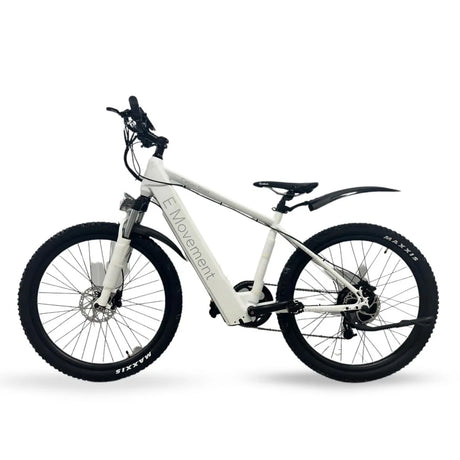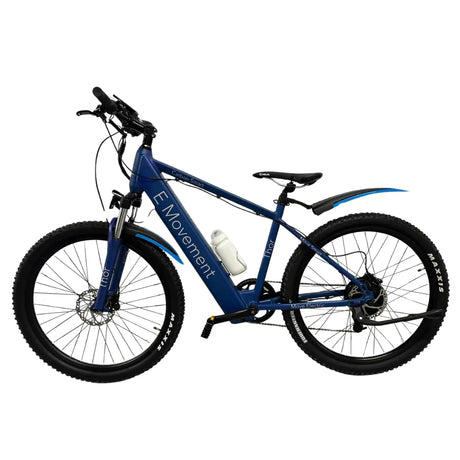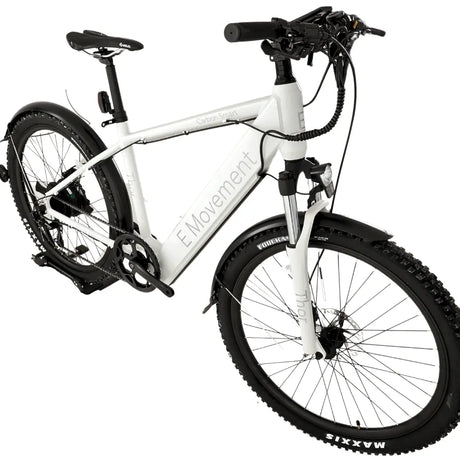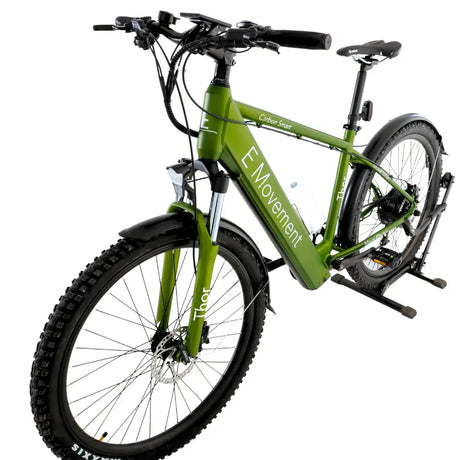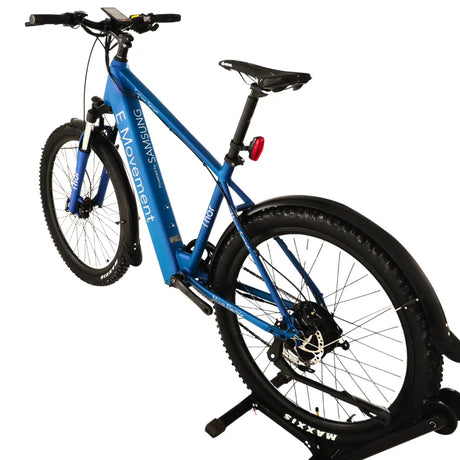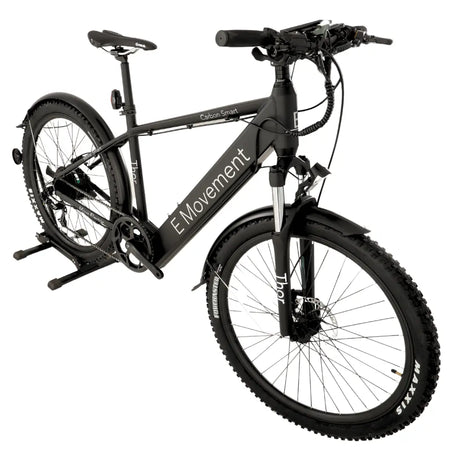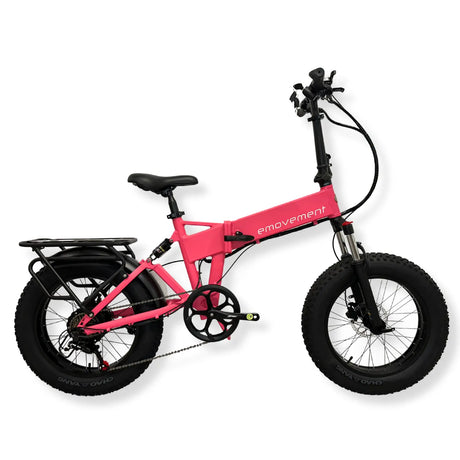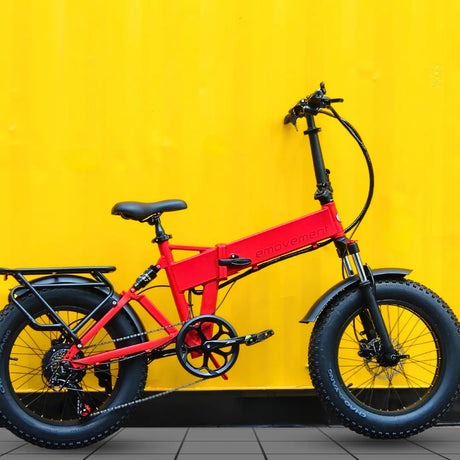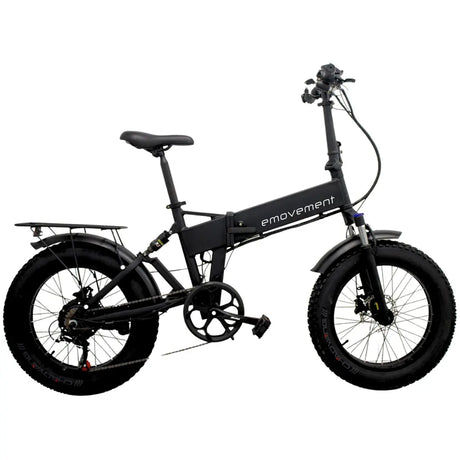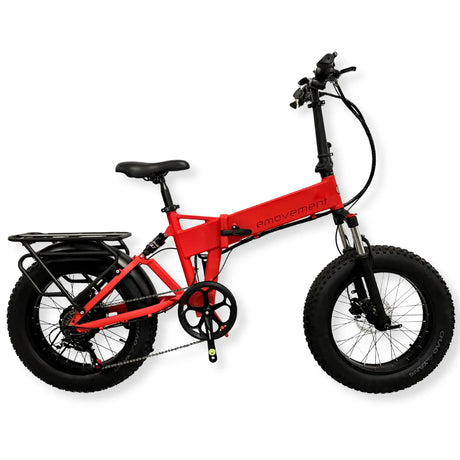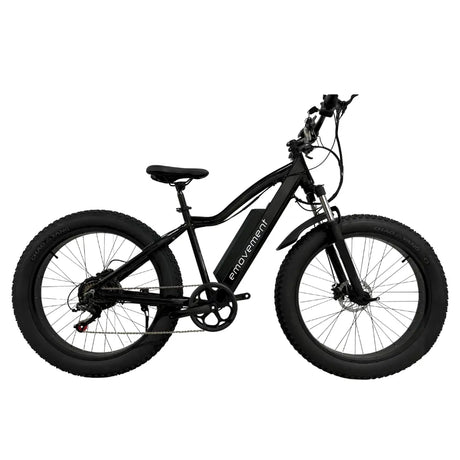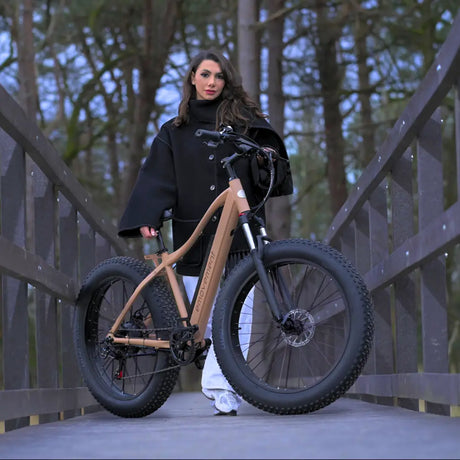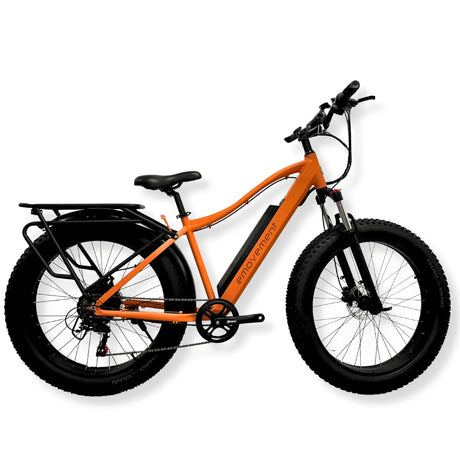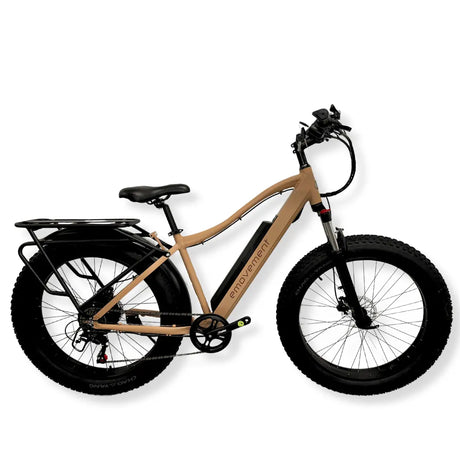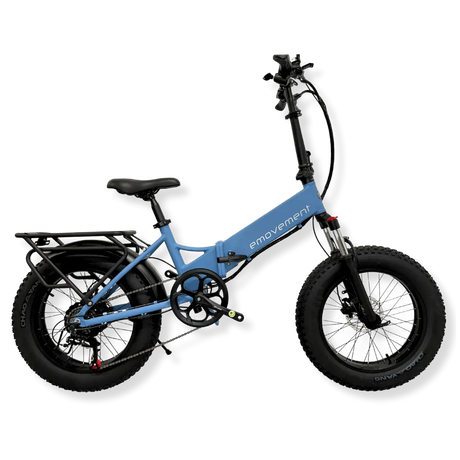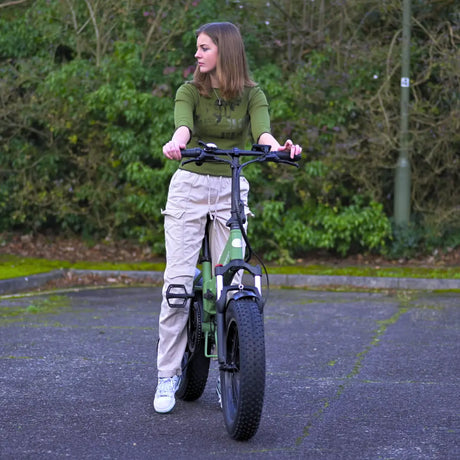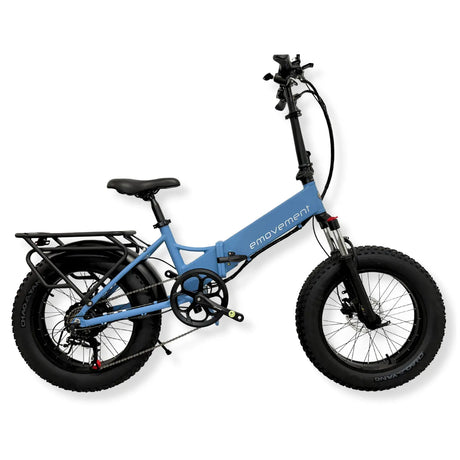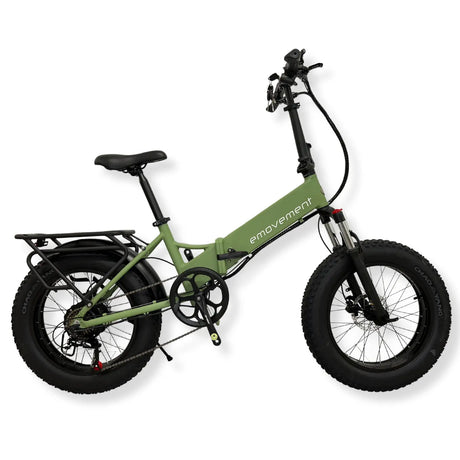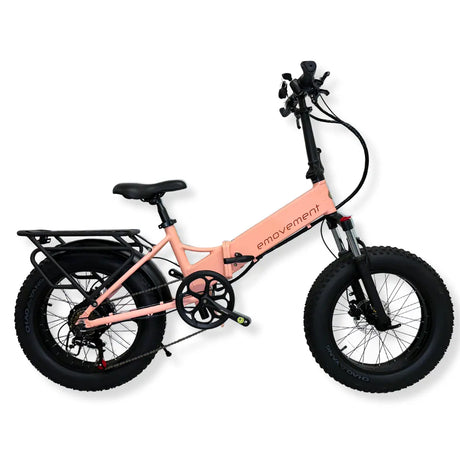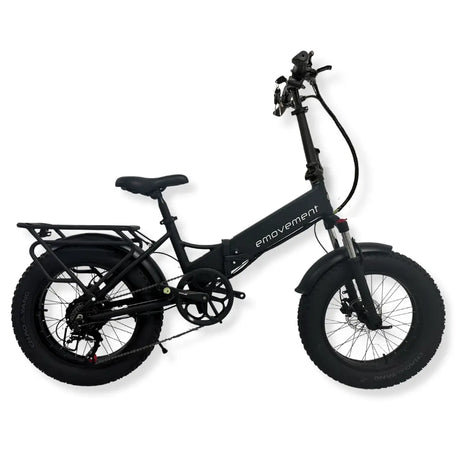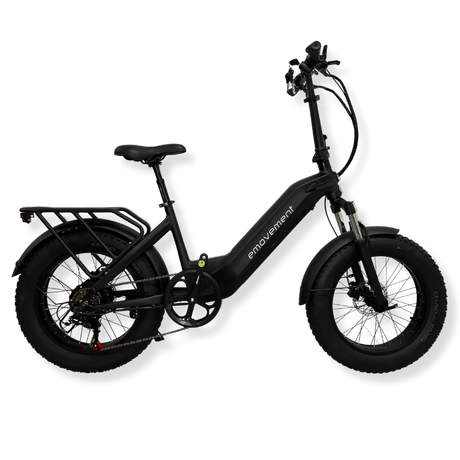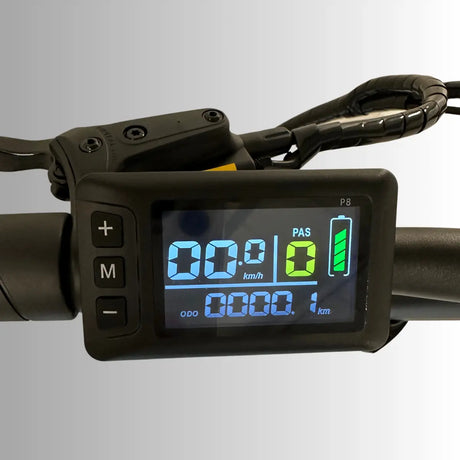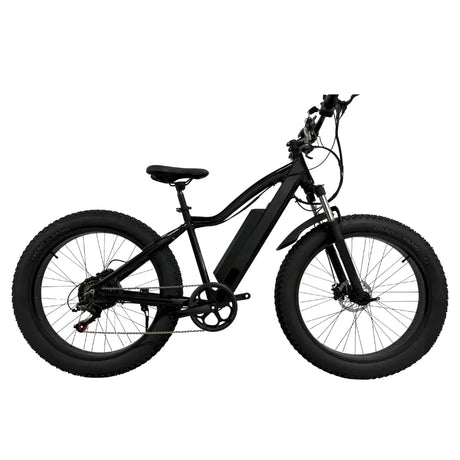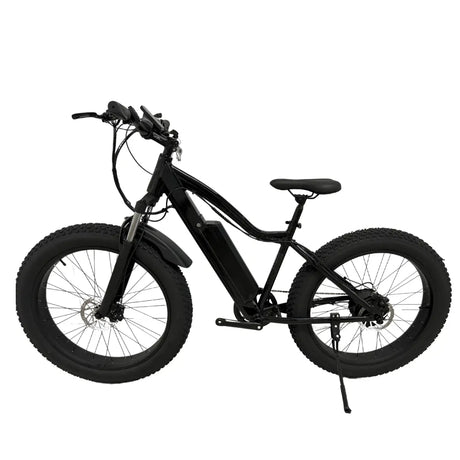

A pedal assist electric bike is a bicycle with a motor and battery that adds power only while you pedal. You choose how much help you get using assist levels. In the UK a legal electric bike (EAPC) must have working pedals, a motor of no more than 250W continuous power and assistance that stops at 15.5 mph (25 km/h).
Who it suits:
- Commuters who want to arrive less tired
- Riders tackling hills or headwinds
- People returning to cycling
- Anyone replacing short car journeys
1. How does pedal assist work?
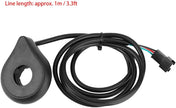
Pedal assist works through a sensor, a controller, a motor and a battery. The sensor detects your pedalling, the controller sets how much power to add, the motor delivers it, and the battery supplies the energy.
| Part | Role |
|---|---|
| Sensor | Detects pedalling (and, in some systems, how hard you push) |
| Controller | Sets motor output to match the chosen assist level |
| Motor | Adds power to the drive system or wheel |
| Battery | Stores the energy that powers the motor |
What is the difference between a cadence sensor and a torque sensor?
A cadence sensor detects that the pedals are turning, while a torque sensor measures how hard you push on them. With a torque sensor, the help you receive follows your effort. With a cadence sensor, the help depends on pedal movement.
| Cadence sensor | Torque sensor | |
|---|---|---|
| Measures | Pedal rotation | Pedal force |
| Motor response | Based on pedalling | Based on how hard you pedal |
2. What are the assist levels?
Assist levels are settings that control how much motor help you get while pedalling. A lower level gives a lighter boost and uses less battery. A higher level gives stronger help and uses more battery.
Most pedal assist electric bikes offer several levels. Names and exact power vary between manufacturers and motor systems, so check your bike's manual for the specifics.
| Typical level | General purpose |
|---|---|
| Eco | Light help, lowest battery use |
| Tour / Normal | Balanced help for everyday riding |
| Sport | Stronger help for hills and traffic |
| Turbo / Boost | Maximum help for steep climbs or heavy loads |
Which assist level should you use?
Use the lowest level that keeps you comfortable and move up when the route demands it. A higher level draws more from the battery, so lower levels generally give more range.
- Flat roads: lower levels
- Hills and headwinds: middle to higher levels
- Steep climbs or carrying a load: highest level
- Battery running low: drop to the lowest level
Riding to work? Read our guide on whether a pedal assist electric bike is right for your commute.
3. Is a pedal assist electric bike legal in the UK?
Yes, if it meets the EAPC (electrically assisted pedal cycle) rules. These rules apply to England, Scotland, Wales and Northern Ireland.
| Requirement | Rule |
|---|---|
| Pedals | Working pedals that can move the bike forward |
| Motor power | No more than 250W continuous power |
| Assist cut-off | Assistance stops at 15.5 mph (25 km/h) |
| Minimum age | Riders must be 14 or over |
| Licence, tax, registration | An EAPC that complies is not required to be registered, is not subject to road tax, and need not be insured as a motor vehicle |
You can still go faster than 15.5 mph. A bicycle can travel faster through pedalling or downhill momentum, provided the motor is no longer providing assistance.
What happens if an e-bike exceeds the limits?
A bike that does not meet EAPC rules is legally treated as a moped or motorbike. This includes bikes that move on the throttle alone, have motors stronger than 250W, or provide assistance above 15.5 mph. Such bikes require a driving licence, DVLA registration and insurance.
The Department for Transport has also said that bikes fitted with off-road modes that let the motor assist beyond 15.5 mph do not comply with EAPC law.
Is enforcement active?
Yes. In October 2026, Police Scotland launched a nationwide crackdown in which more than 1,000 e-bikes and e-scooters were seized.
What should I check before buying?
North Yorkshire Police advise checking that the bike has working pedals, the motor is 250W or less, assistance cuts out at 15.5 mph, and it is clearly advertised as EAPC-compliant.
4. Pedal assist vs throttle: what's the difference?
A pedal assist bike only helps while you pedal while a throttle bike can move the bike without pedalling. A throttle that propels the bike without pedalling takes it outside EAPC rules. A walk-assist mode (up to 3.7 mph) is described as acceptable.
| Pedal assist | Throttle that moves the bike without pedalling | |
|---|---|---|
| Needs pedalling | Yes | No |
| EAPC status | Compliant when within limits | Takes the bike outside EAPC rules |
Want the full breakdown? Read our guide to pedal assist vs throttle e-bikes compared.
5. Common mistakes with assist levels
The most common mistakes are using too much assist, skipping gear changes and ignoring road conditions.
| Mistake | Why it matters | Better approach |
|---|---|---|
| Riding on maximum assist all the time | Uses the battery fastest and shortens range | Save Levels 4 to 5 for tough sections |
| Treating assist as a replacement for gears | Gears and assist work best together | Shift down first, then adjust assist |
| Pulling away in a hard gear | Can feel abrupt, especially with strong assist | Choose an easier gear before stopping |
| Using strong assist on wet or loose surfaces | Smooth power helps you keep control | Drop to Level 1 or 2 and pedal steadily |
| Neglecting tyre pressure | Soft tyres add resistance | Keep pressure within the range printed on the tyre sidewall |
6. A simple assist-level routine for new riders
Begin low, cruise in the middle, and raise assist only when the route demands it.
- Warm up on Level 1 or 2. Ride somewhere quiet and get a feel for how the motor starts and stops as you pedal.
- Settle on Level 3 once you feel steady. Use it as your default for everyday riding.
- Shift to an easier gear, then go up one level for hills or headwinds. Use Level 4 or 5 only for the hard section.
- Drop back down when the effort eases. Returning to Level 3 or lower saves battery.
- Check your battery when you finish. Lots left means you can use more assist next time, and less than expected means using lower levels on flat stretches.
Frequently asked questions
Do you have to pedal on a pedal assist electric bike?
Yes. The motor only helps while you pedal. A walk-assist mode is the exception.
Do you need a licence for a pedal assist electric bike in the UK?
Not for a compliant EAPC. You can ride one without a licence or insurance if you're 14 or over.
How fast can a pedal assist electric bike go in the UK?
The motor stops assisting at 15.5 mph (25 km/h). You can go faster by pedalling or downhill.
What is the age limit for riding an electric bike in the UK?
The minimum age is 14.
Is a 750W electric bike legal in the UK?
Not as an EAPC. The motor limit is 250W continuous power.
Can I ride an electric bike if I'm banned from driving?
Yes, as long as the bike qualifies as an EAPC, anyone over 14 can ride it in public without a licence.
Which assist level is best for beginners?
Start with a lower level on a quiet route, then move up as you get comfortable.
Ready to Enjoy Easier Cycling?
Make everyday journeys more comfortable with a pedal assist electric bike from E-Movement. Whether you are commuting to work, tackling steep hills or enjoying weekend rides, pedal assistance gives you extra support whenever you need it.
Explore the E-Movement electric bike range and find a model that suits your riding style, everyday requirements and preferred level of assistance.
Discover E-Movement electric bikes today and make every ride easier!
Contact us
📍 Visit Our Store: 12 Broadway, Woking GU21 5AP
📞 Phone: +44 1483 363063
📧 Email: move@emovement.co.uk