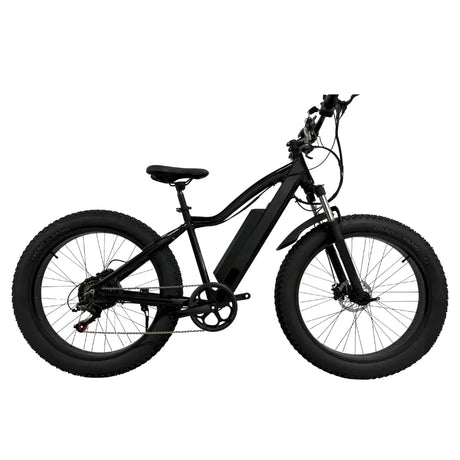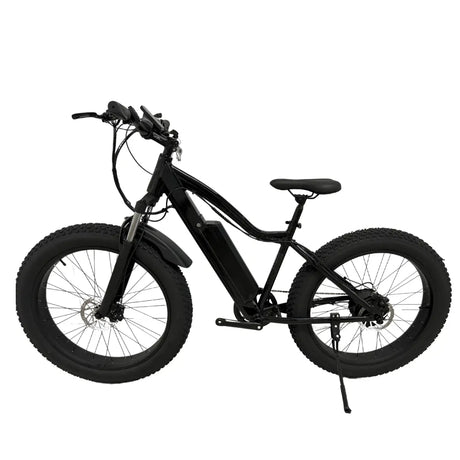

To clean your e-bike after a wet winter ride, switch it off, take the battery off, rinse away the mud gently, wash the frame with soapy water, degrease the chain, dry everything and re-lube the chain. The whole job takes about 20 minutes. It stops grit, salt and standing water from wearing out your drivetrain, brakes and electrical connections.
This guide from E-Movement covers each step, what to avoid and when a ride-out is better handled by a workshop. We have supplied riders across the UK since 2018, and this is the routine we recommend for e-bike winter maintenance.
Why Should You Clean Your E-Bike After a Wet Ride?
Wet winter conditions affect an e-bike more than dry summer conditions. First, water removes the oil from the chain, and then the spray coming from the road contains dirt, which wears down the chain, the cassette and the brake pads. Salt on gritted roads accelerates corrosion of bolts, cables and chains.
The e-bike also has components which a regular bicycle does not have like battery, motor, display and wiring. Accumulation of water on electronic contacts eventually leads to poor connectivity. That's why a quick clean after a wet ride protects both the mechanical and the electrical parts of an electric bike.
Step 1: Switch Off the E-Bike and Remove the Battery
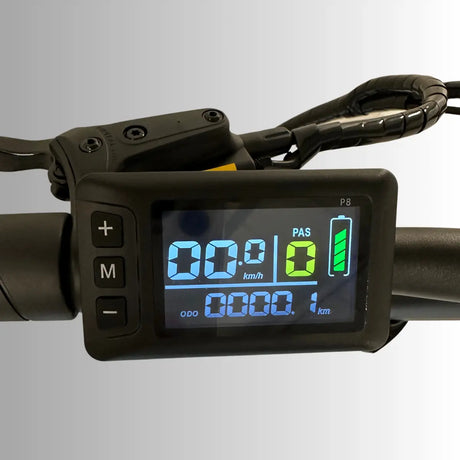
- Turn off the e-bike system at the display.
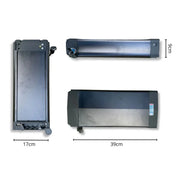
- Remove the battery from the e-bike if it is designed to be removable models such as those from Emovement feature removable batteries for convenience
- Clean the bike frame and charge the battery indoors.
- Store the battery in a dry place during maintenance operations.
- Never charge a wet battery.
- Do not open the battery or motor housing yourself.
Step 2: Rinse Off the Loose Mud With Low-Pressure Water
Start with a gentle rinse from a bucket, sponge or a low-pressure hose to lift the loose mud. Work from the top of the bike downwards.
- Avoid pressure washers as water under high pressure may make way into the bearing, engine, and connections.
- Do not use the hose on the engine, screen, charging port and battery port of the bike.
- Allow water to flow out of the bike without leaving the water on the bike.
Rinsing first matters because dried mud rubbed with a cloth scratches the paintwork.
Step 3: Wash the Frame With Warm Soapy Water
Use a soft brush or a sponge along with some bike wash or liquid soap in warm water. Clean the frame, forks, mud guards, and handlebars and rinse them with fresh water. Clean the motor area, display, and cables using a damp cloth rather than immersing them. Pay extra attention to the underside of the downtube and around the bottom bracket, where grit and road salt collect. If you notice a cracked cable cover, a loose connector or a rattle while you wash, it's worth getting it looked at.
Step 4: Degrease the Chain, Cassette and Chainrings
The drivetrain collects the most dirt in winter, so clean it every time.
- Brush loose dirt off the chain, cassette and chainrings.
- Apply a bike-specific degreaser to the chain and brush it through.
- Rinse with a small amount of clean water and wipe the chain with a rag.
- Repeat if the chain is still black with old oil.
Keep degreaser away from the brake pads and discs. If the chain still skips, or the gears feel rough after a clean, the parts may be worn, and it may be time to replace them.
Step 5: Clean the Wheels and Keep the Brakes Free of Oil
Clean the rims or discs, spokes and tyres and examine the side walls of the tyres for cuts and flint embedded into them. Winter tyres tend to gather a lot of dirt from the roads. Pay attention to your e-bike brakes Any grease or oil contamination of the pads and the discs can lead to squeaking and poor braking. Wipe the discs with a clean cloth damped with isopropyl alcohol in case of any suspicions. Greasy pads normally require replacement.
The squeaking, weak or rubbing brakes should be checked anyway. Winter grit causes more wear on brake pads than summer conditions, and e-bikes are generally heavier than conventional bikes, putting additional strain on the braking system.
Step 6: Dry the Bike and Check the Battery Area
Dry the frame with a clean cloth. Pay attention to the cables, the bolts and the area around the battery mount. Water left in these places is what leads to rust and poor electrical contact.
- Wipe the battery contacts and the mount with a dry cloth.
- Let the battery socket and the charging port dry completely.
- Check that the cables and connectors are secure and not frayed.
- Refit the battery only when everything is dry.
Charge the battery indoors at room temperature and not straight after a cold ride. Our guide on how to protect your e-bike battery in winter explains how cold weather affects range and what you can do about it.
Step 7: Lube the Chain and Protect the Bolts From Rust
Once the chain is dry, apply a wet chain lube to each link. Wet lube lasts longer in rain than dry lube, though it attracts more dirt, so wipe off the excess and don't over-apply.
- Turn the pedals backwards while you drip the lube on the chain.
- Wipe the chain with a rag so that only the inside of the links keeps the oil.
- Apply a light protective spray to exposed bolts, keeping it well clear of the brake pads and discs.
Repeat this routine after wet rides and after any trip on gritted roads. In a typical UK winter, that may mean every week or two.
Step 8: Check Your E-Bike Before Your Next Ride
Before heading out again, give your e-bike a quick inspection to make sure everything is clean, dry and working properly.
- Make sure that the brakes are working efficiently and the wheels rotate without any issues.
- Test the gears to make sure they shift smoothly without skipping.
- Check the tyres for damage and make sure they are inflated to the recommended pressure.
- Also ensure that the battery is tightly mounted and that the display screen, lights, and the electrical assist function well.
- Listen out for any unusual noises coming from the e-bike motor, drive system, and wheels.
If you notice unusual noises, loose components, brake problems or electrical faults, have the bike inspected before riding. A quick safety check helps catch problems early and keeps your e-bike ready for the next winter journey.
Winter E-Bike Cleaning Checklist
| Step | What to do | Why it matters in winter |
|---|---|---|
| 1 | Switch off and remove the battery | Keeps water away from the electrics |
| 2 | Rinse off loose mud gently | Stops grit being rubbed into the paint |
| 3 | Wash the frame with soapy water | Removes road salt before it corrodes |
| 4 | Degrease the drivetrain | Grit on oil acts like sandpaper |
| 5 | Clean wheels and keep brakes clear | Contaminated pads lose stopping power |
| 6 | Dry the bike and the battery area | Moisture causes corrosion and poor contact |
| 7 | Lube the chain and protect the bolts | Wet roads strip oil quickly |
| 8 | Inspect the bike before riding | Helps identify safety issues and prevents further damage |
Safety Tips for Cleaning Your E-Bike in Winter
Cleaning off winter road grime means dealing with harsh road salt, greasy drivetrain muck, and chemical degreasers. Protect yourself while working by following these basic safety steps:
- Wear Protective Gloves: Road salt and concentrated chain degreasers can irritate or dry out your skin. Thick rubber or nitrile gloves keep your hands clean and protected.
- Protect Your Eyes: Gritty mud and degreasing sprays can easily splash up when brushing the chain or rinsing the frame. Wear clear safety glasses to avoid getting chemicals or debris in your eyes.
- Wash in a Well-Ventilated Area: Aerosol bike protectors, spray lubricants, and strong degreasers produce fumes. Always apply these products outside or in an open garage rather than a tightly closed room.
- Watch Out for Sharp Components: When wiping down the drivetrain or checking tyre sidewalls, move slowly. Worn brake rotors, split cable strands, and chainrings can easily cut unprotected hands.
When to Visit a Workshop After Winter Rides
While a 20-minute home clean keeps top-level grit away, winter conditions can cause deep mechanical and electrical issues that require professional tools.
You should skip the DIY clean and book a visit to our workshop immediately if you notice any of the following:
- Spongy or Soft Brake Levers: Sub-freezing temperatures cause hydraulic brake fluid to contract, which can draw air bubbles into the lines. If your levers pull all the way to the handlebars, your brakes need a professional fluid bleed.
- Rapid Brake Pad Wear: Heavy winter grit wears down brake pads at double the normal speed. If you hear a harsh metal-on-metal grinding noise when stopping, your pads are fully worn out and will destroy your rotors if not replaced immediately.
- Persistent Electrical Error Codes: If your display throws an error code, flashes, or the motor assistance cuts out after a wet ride, moisture has bypassed the seals. Do not keep riding; our mechanics need to plug it into diagnostic tools to clear the system.
- Rough Shifting or Skipping Gears: If your chain constantly jumps even after it is clean and lubricated, winter salt has either rusted the links solid or stretched the chain past its safe limit. This requires a professional drivetrain measurement and replacement.
- Unusual Cracking or Grinding Noises: Gritting salt easily destroys the internal bearings inside your bottom bracket, wheels, and headset. A crunching sound means the bearings have lost their grease and must be replaced before they seize up.
At E-Movement, we keep everything under one roof: e-bike servicing, repairs, parts and accessories. Our expert mechanics use specialist tools, and as Bosch partners we're set up to work on Bosch systems. Contact us to talk through what your bike needs.
Frequently Asked Questions
Can I wash my e-bike with a hose?
Yes, but only with a gentle, low-pressure flow. Avoid pressure washers and don't spray directly at the motor, the display, the charging port or the battery socket. A bucket and sponge is the safest approach.
Should I take the battery off before cleaning my e-bike?
Yes, where the battery is removable. It keeps water away from the electrical contacts and lets you clean the mount properly. Refit it only once everything is dry.
How often should I clean my e-bike in winter?
Rinse and wipe it down after rides on wet, muddy or gritted roads, and clean the chain at least every week or two. A fuller wash every few weeks is a sensible habit.
Is it safe to charge an e-bike battery after a wet ride?
Only if the battery and the charging port are completely dry. Let the battery come up to room temperature indoors before you charge it.
What should I use to clean an e-bike?
Use a soft brush, a sponge, mild bike wash or washing-up liquid, a bike-specific degreaser for the chain and clean cloths. Avoid harsh solvents on plastics, cables and seals.
Keep Your E-Bike Riding Well This Winter With E-Movement
A clean e-bike rides quieter, shifts better and lasts longer, and a few minutes after each wet ride saves a lot of repair time. If anything doesn't feel right once the bike is clean, get in touch with us and our team will help you get back on the road safely.
Contact us
📍 Visit Our Store: 12 Broadway, Woking GU21 5AP
📞 Phone: +44 1483 363063
📧 Email: move@emovement.co.uk