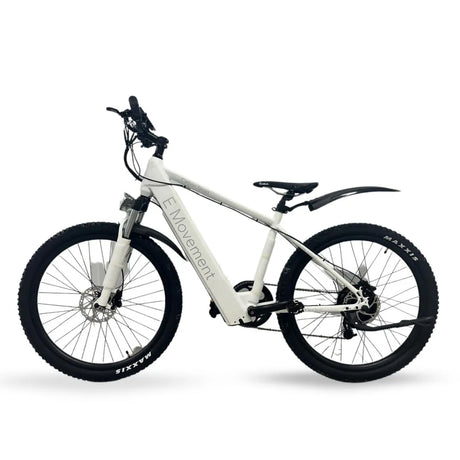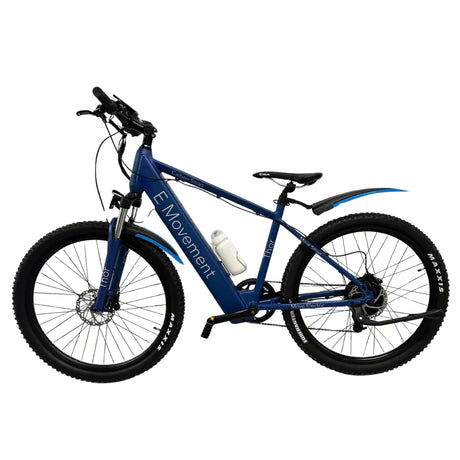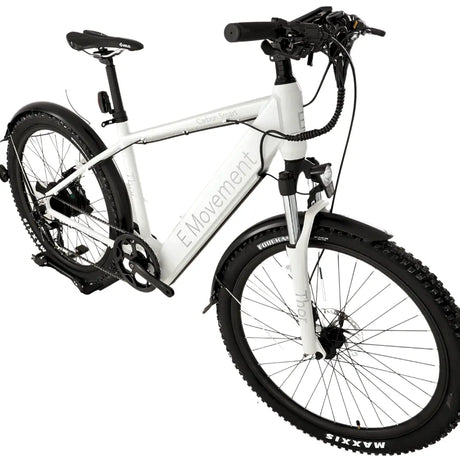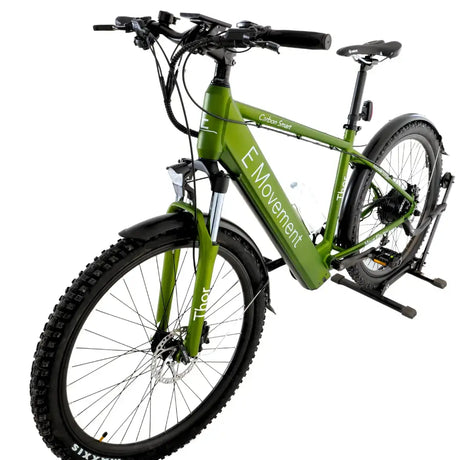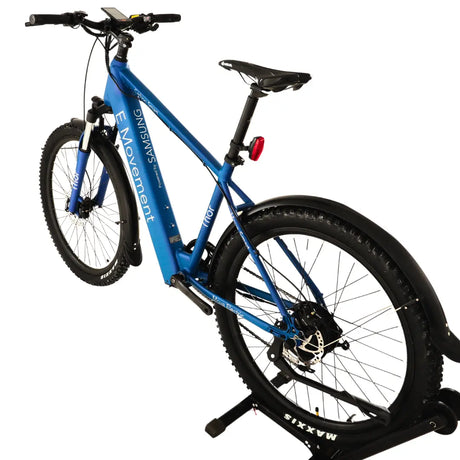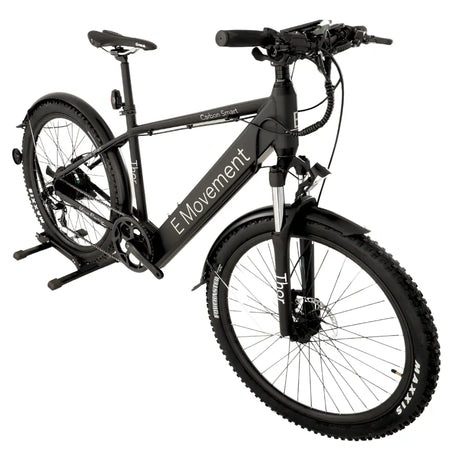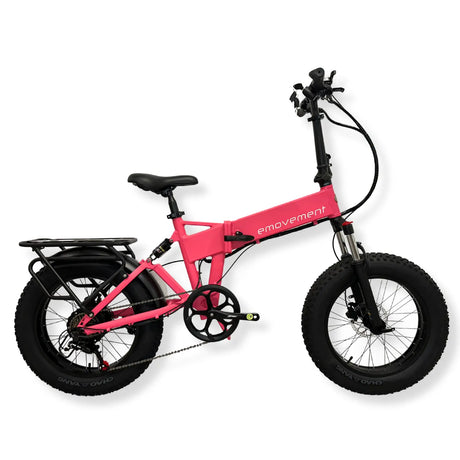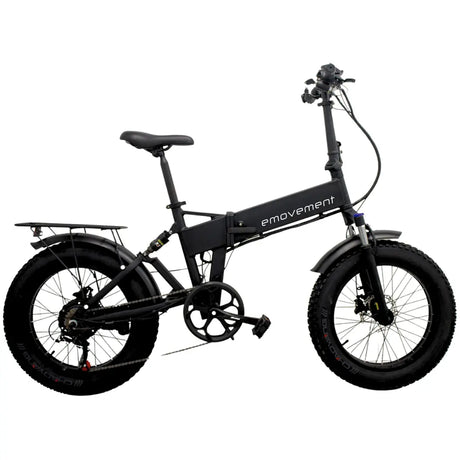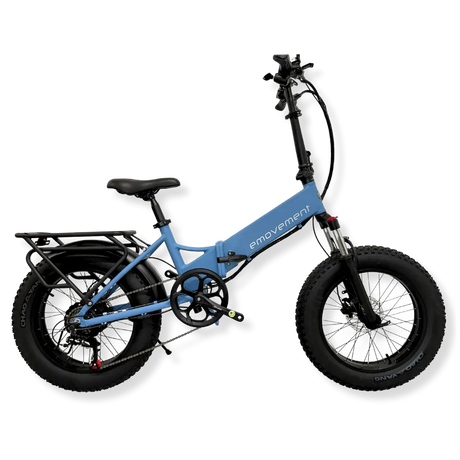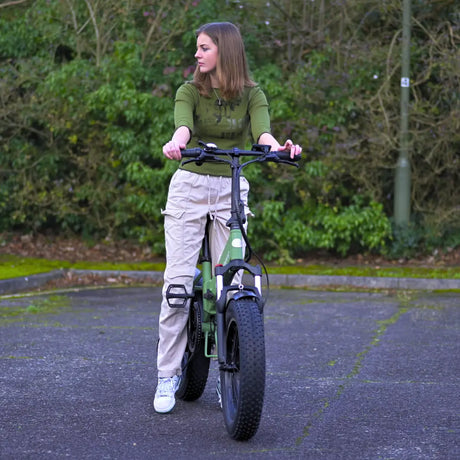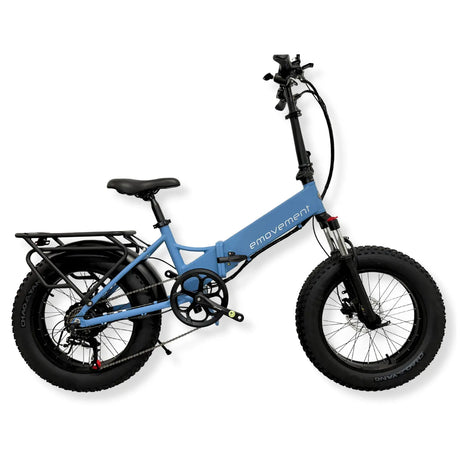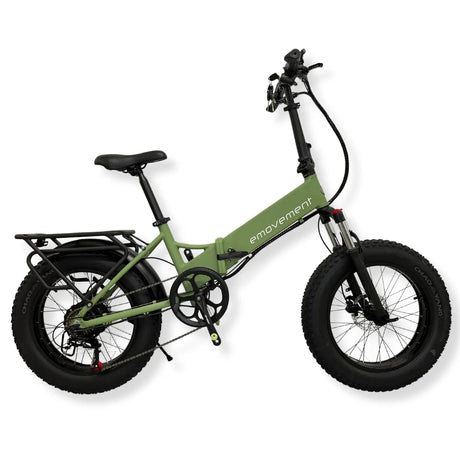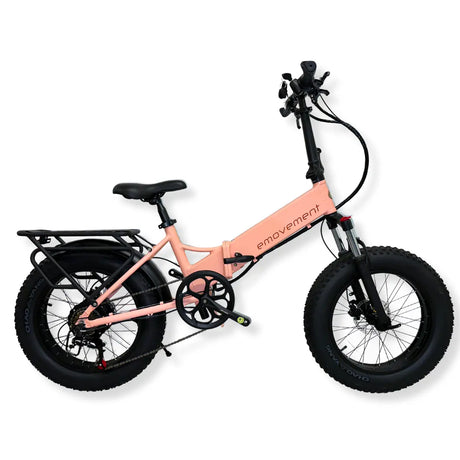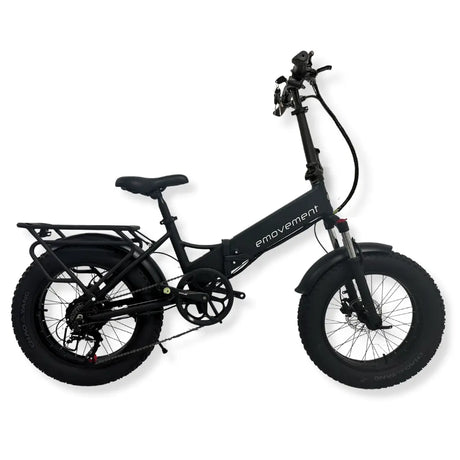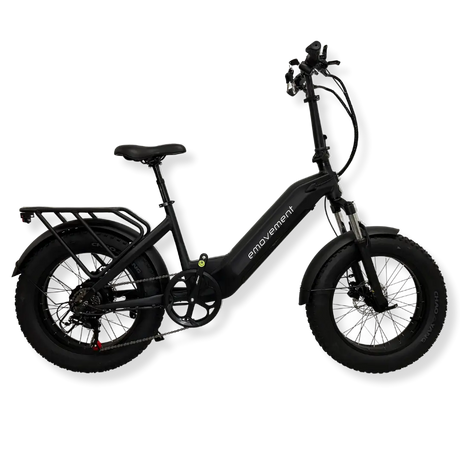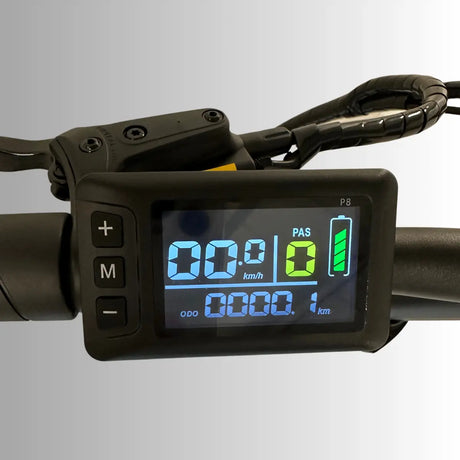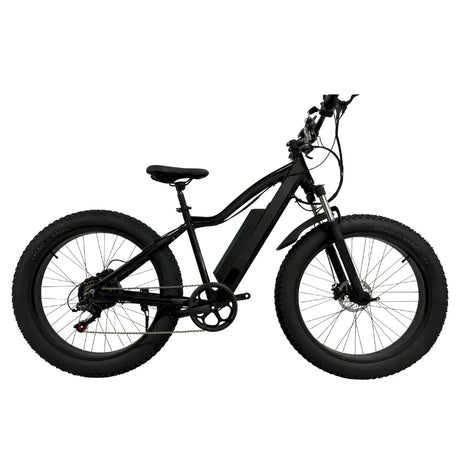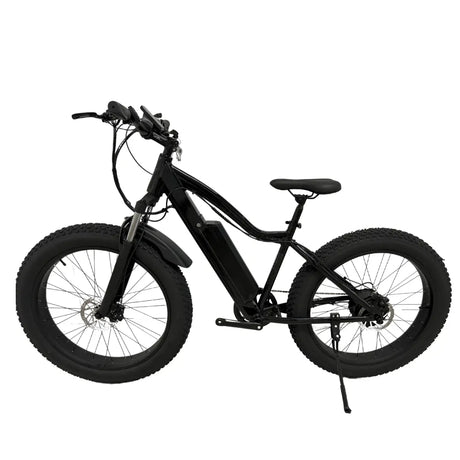

Let's be honest: the sticker price on a good electric bike can make anyone pause. The Cycle to Work scheme exists to take the sting out of that moment. Used properly, it can knock a big chunk off the cost of an e-bike, and you pay it off gently through your payslip instead of in one go.
This guide explains how it actually works, what you could realistically save, and the small mistakes that trip people up. No jargon, no fluff.
Quick answer: how does Cycle to Work work for an e-bike?
Your employer hires you an e-bike through a salary sacrifice agreement. The cost is taken from your gross pay (before tax and National Insurance) over a set period, usually 12 months. That is why basic-rate taxpayers often save around a third of the cost, and higher earners more. At the end of the hire period you can usually take ownership.
What is the Cycle to Work scheme?
It's a government-backed tax scheme that lets employees get a bike for commuting without paying full price up front. Your employer signs up with a scheme provider, you choose a bike, and the provider issues a certificate or voucher. You take that to the retailer, and the repayments come out of your salary each month.
Here's the part people often miss: the scheme isn't only for people who ride to work every single day. It's meant for commuting, but plenty of riders also use their bike for leisure and errands. Your employer's own policy will set the details.
How much can you save on an e-bike?
The savings comes from not paying income tax and National Insurance on the money you sacrifice. The exact figure depends on your tax band, so treat these as ballpark numbers:
-
Basic-rate taxpayer: roughly a third off the total cost
-
Higher-rate taxpayer: around 40% off
-
Additional-rate taxpayer: up to 47% off
A simple example: take a £1,500 e-bike. A basic-rate taxpayer saving about 32% would pay roughly £1,020 in total, which works out at around £85 a month over 12 months. A higher-rate taxpayer saving about 42% would pay around £870, or roughly £72 a month. These are illustrations only. Provider fees, your employer's rules and your personal circumstances will change the final number.
Step by step: getting an e-bike through Cycle to Work
-
Check your employer offers it. Ask HR or your payroll team. If they don't, it's worth asking whether they'd consider joining, because it costs employers very little.
-
Set your budget. Find out your employer's spending limit and which scheme provider they use.
-
Choose your bike. Think about your commute, your height and where you'll store it. Our road legal e-bikes are a popular starting point.
-
Apply through your employer's portal. You'll get a certificate or voucher once it's approved.
-
Order your e-bike. Send the certificate to the retailer. We accept Cycle to Work certificates, and your bike arrives fully assembled and charged, anywhere in the UK.
-
Ride and repay. Payments come out of your salary until the agreement ends.
Who can use the scheme?
Generally, employees whose employer is signed up. If you're self-employed or run your own limited company, you usually can't use the standard scheme, although there are other ways to spread the cost. Check with your employer or provider before you get your heart set on a particular bike.
What happens when the hire period ends?
Typically you'll be offered the chance to buy the bike for a small final payment, extend the agreement, or return it. Most people choose to keep their e-bike. The ownership terms vary by provider, so read the agreement properly. It's boring reading, but it's your money.
Mistakes to avoid
-
Waiting until your budget is already spent. Limits are usually per employee, so choose carefully.
-
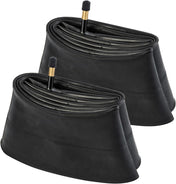
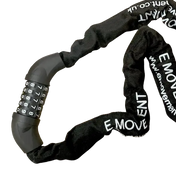
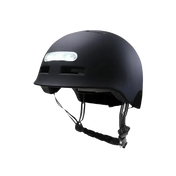
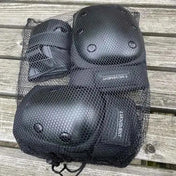
Forgetting to check what the scheme covers. Some providers let you add a helmet, lock and lights to the same certificate. That's a smart way to protect your investment.
-
Not thinking about your salary. Because payments reduce your gross pay, check how that could affect things like mortgage applications or pension contributions.
-
Choosing a bike that doesn't fit your day. A folding bike for a train commute, a step-through for easy mounting, a sturdier frame for rough lanes. Fit matters more than looks.
Which E Movement e-bike suits Cycle to Work?
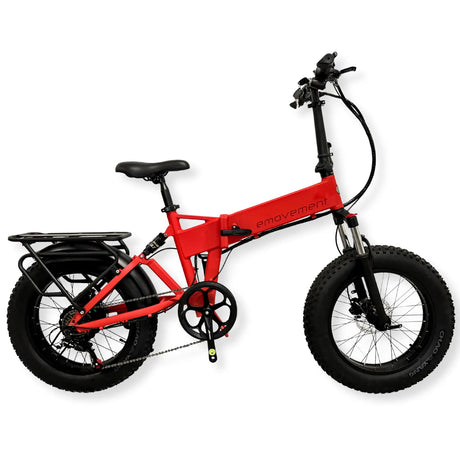
That depends on where you ride. If you want to keep costs down, take a look at our e-bikes under £1,500. If you'd rather have something lightweight for tight spaces, our folding e-bikes are made for it.
aAnd if you want a lower frame, there's a good range of step-through e-bikes.
Every bike has been checked individually before dispatch, delivery is insured, and the price you see already includes delivery and taxes. If something needs attention later, our UK-based team and the service partner network are there to help.
Frequently asked questions
Can I use Cycle to Work to buy an electric bike?
Yes, e-bikes are eligible with most schemes, subject to your employer's spending limit and the provider's rules.
How long does the repayment period last?
Commonly 12 months, though some employers offer longer terms.
Is the scheme only for people who cycle to work every day?
It's designed for commuting, but your employer's policy decides how strictly that's applied. Ask HR if you're unsure.
Can I get accessories on the same certificate?
Often, yes. Helmets, locks and lights are commonly included, but check with your provider.
Does E Movement accept Cycle to Work certificates?
Yes. You can find the details on our Cycle to Work page.
Related reading
Still deciding which bike to put on your certificate? These guides will help you narrow it down:
-
How to Choose an Electric Bike in the UK: A Complete Buying Guide
-
Folding Electric Bike vs Standard E-Bike: Which Is Best for Your UK Commute?
Ready to get started?
Got a certificate, or just want to know if your employer's scheme works with us? Talk to our team on 01483 363153 or email move@emovement.co.uk. We'll help you pick the right bike and walk you through the order.
See how Cycle to Work works with E Movement | Browse all e-bikes.