
Check your bike in 11 steps
1. Rear Wheel
Make sure that back-wheel both wheels are properly tightened. If you have a BMX, check to see that the axle nuts on each side of the hub are very tight and that the wheel itself is straight once you’ve tightened them both. If you have an MTB bike, either the quick release handle is tight or the thru-axle is completely secure. Spin the wheel and make sure that the wheel rotates without wobbling or hitting any part of the frame or fork and check for any movement side-to-side in the hub itself.
2. Spokes
All spokes should be checked to see they have equal tension; they should feel solid when squeezing each spoke between your fingers, should sound very similar when tapping each spoke, and must be at the correct tension. All loose or damaged spokes need to be replaced and/or have their tension adjusted. Inspect the rim and look for signs of damage: dings, flat spots, etc. If a number of spokes are loose, the best option is to have the wheel professionally trued.
3. Tyres
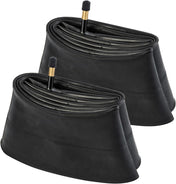
Visually inspect the tread and sidewall for signs of being worn; cracked or cut tires/extreme bald spots on tire tread are both effects to consider. In particular, on MTB tires, the lugs should be in good condition. If you have a BMX tyre, you need to examine the flat surface of the tire for excessive wear. Check all tyre pressure (PSI) compared to your riding type. Ensure the valve stem on the tire is straight and operating correctly.
4. Seat
Verify the secure and soundness of both the seat and seat post by checking that they are clamped securely. The saddle should be level and the clamp should be under enough pressure so that it does not move while twisting the saddle back and forth by hand. You should ensure that the seat post is inserted to a safe point, which is above the minimum insertion point. If you are using a dropper post, check for play or sag in the seat post. Inspect the saddle and its fastenings.
5. Chain
Inspect the chain for cleanliness, lubrication, and smooth operation. Look for stiff/damaged links. For BMX/single-speed bikes, check chain tension remains slightly moveable. If the chain is too loose, it could fall off & If it's too tight, it could wear out quickly. A worn chain should be replaced to protect your drivetrain.
6. Pedals
Ensure your pedals are securely fastened to the crank arms. Spin each pedal to check that they turn smoothly (without grinding or wobbling) and check for any cracks in the pedals. If you're using an MTB, make sure the traction pins are secure. If you're using a BMX bike, check the plastic pedals for wear. Check the bolts on the crank to see if they're tight because if they're loose, it can cause injury or damage to the cranks.
7. Stem
Check all bolts on the stem for tightness and security and check that the faceplate bolts (that hold the handlebars) are also tightened evenly. Grab both sides of the front wheel and try turning the bars to check for movement; if they move, tighten the stem immediately. Check that the stem is aligned with the front tyre and has no cracks.
8. Headset
Test the headset by pulling hard on the brake, then rocking the bike forwards and backwards. If you notice knocking noises while doing this, then the headset may need tightening. To check for smooth steering when turning, lift the front wheel off the ground and move the handlebars side to side (they should turn easily without binding). If you feel resistance when the handlebars move, then you may need to adjust (or replace) the bearings so that they can safely steer.
9. Brakes
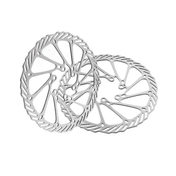
Squeeze both brake levers fully – they should engage strongly without overpowering you. Also, when you squeeze the lever(s), they should move all the way to the grips but stop before hitting the grip(s). Check brake pads for wear and correct alignment; make sure rotors are straight and don't rub on the pads with disc brakes; look carefully for leaks in hydraulic brake lines. Your brakes are the most important thing for being able to control your bike and stop quickly and ride safely.
10. Frame
Carefully inspect the entire bicycle frame looking for cracks (which are very common), dents (which can occur anywhere on the frame), or damage usually located at high-stress points (e.g., headtube, bottom bracket(s), dropout(s). It’s usually helpful to clean the frame prior to doing this because cleaning it will help identify areas of potential damage more easily. For mountain bikes, check for excessive play in the pivot/ linkage systems. Never ride a bike with a cracked frame or one with serious structural issues.
11. Front Wheel
Check the front wheel is securely fastened with an axle or quick-release, then spin the wheel to check for any side-to-side wobble. Inspect the hub bearings for smooth operation. Examine the rim and the tire for any damage. If you are using suspension forks, inspect for any scratches or oil leaks prior to riding.