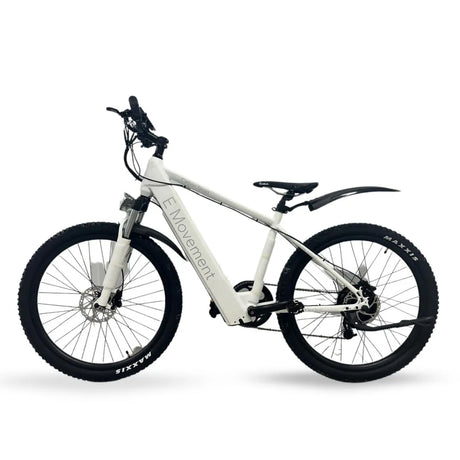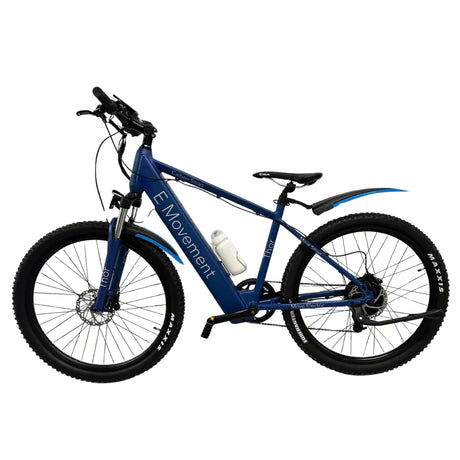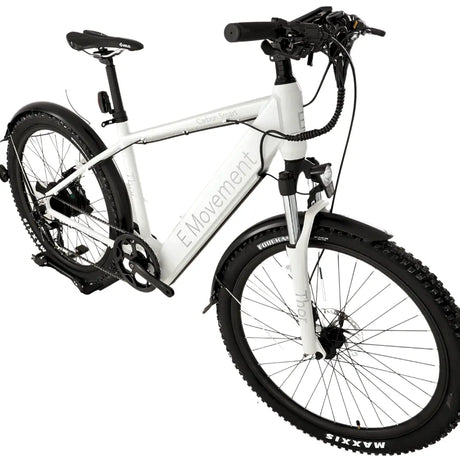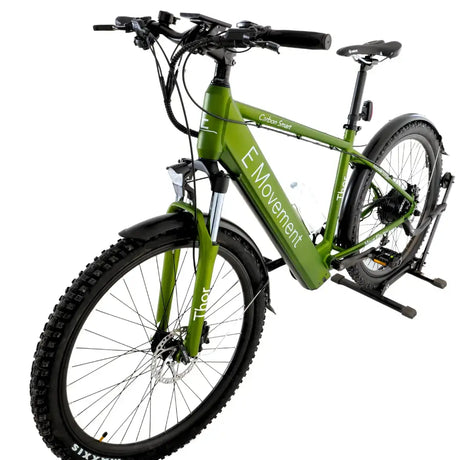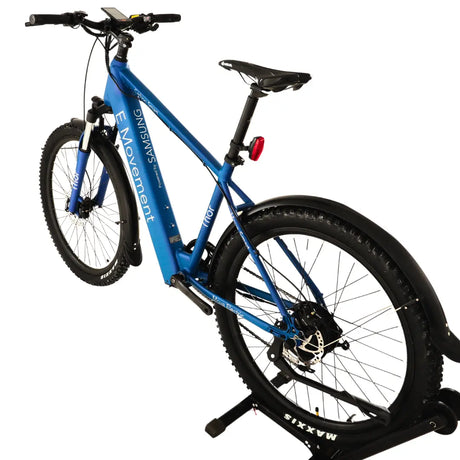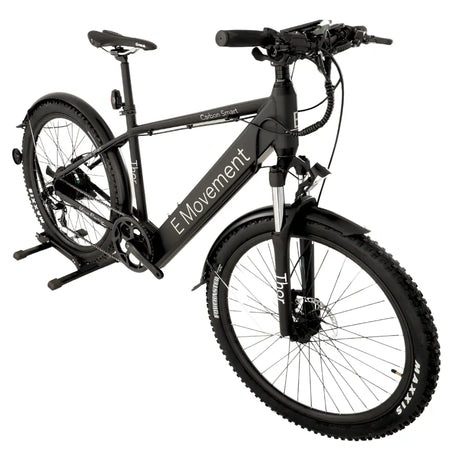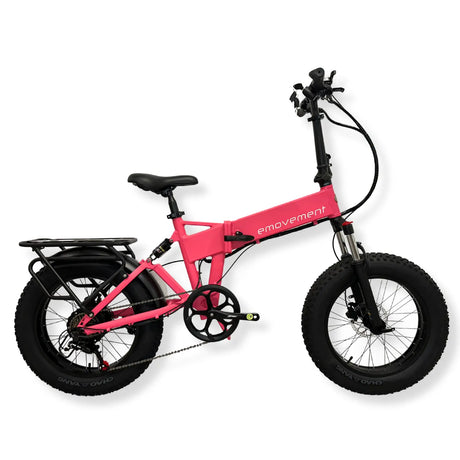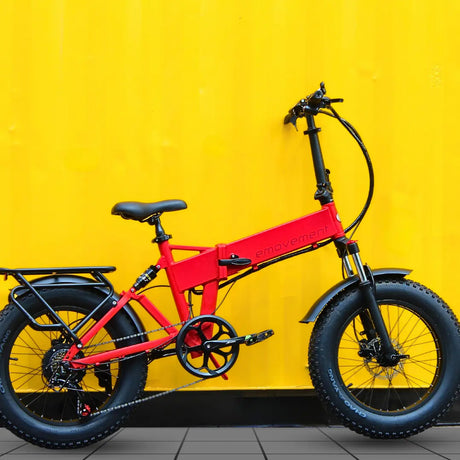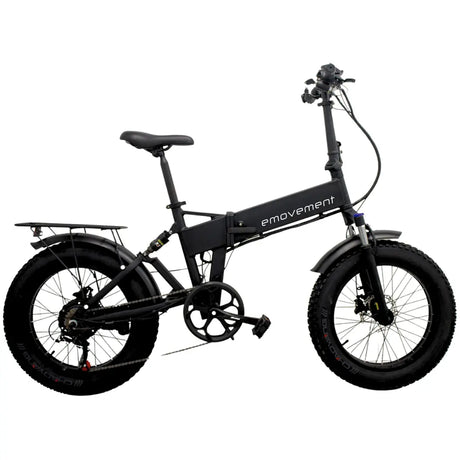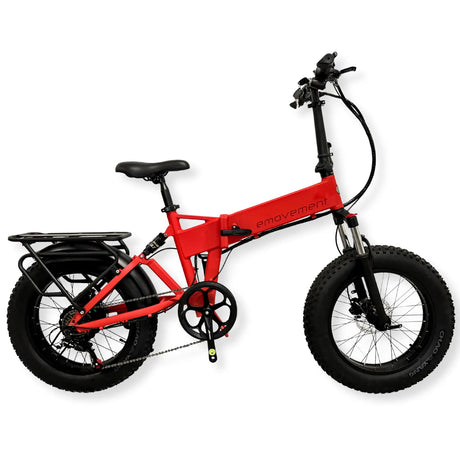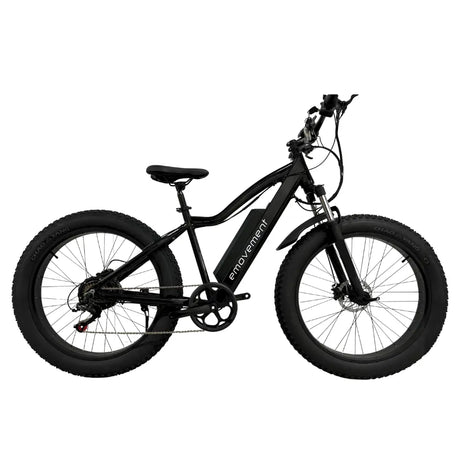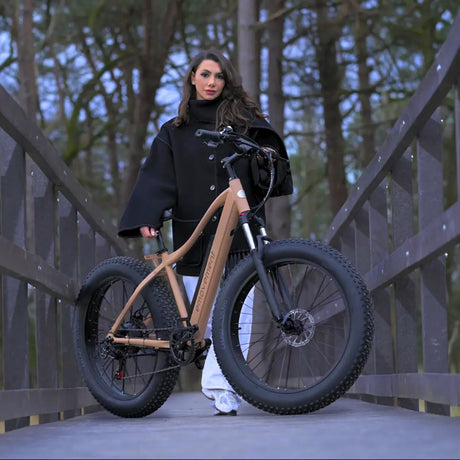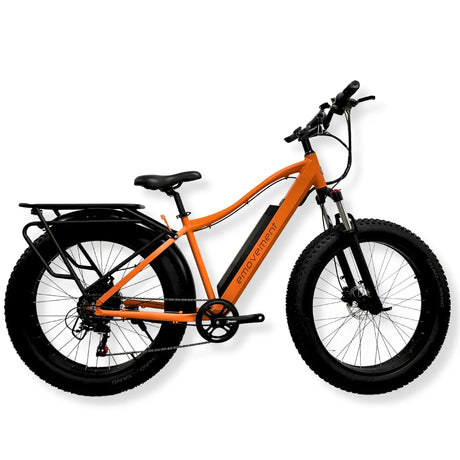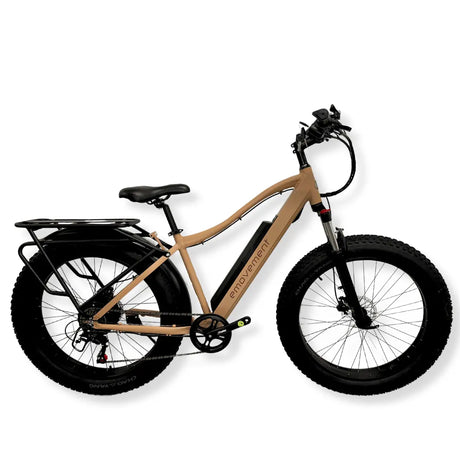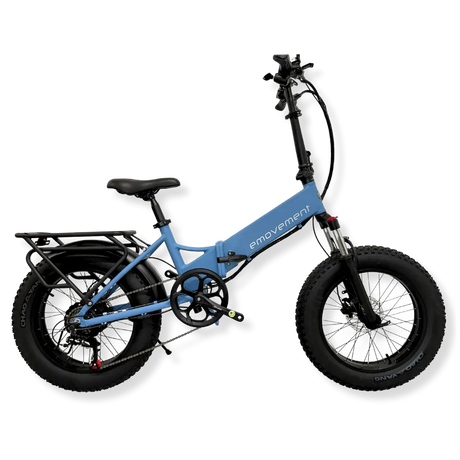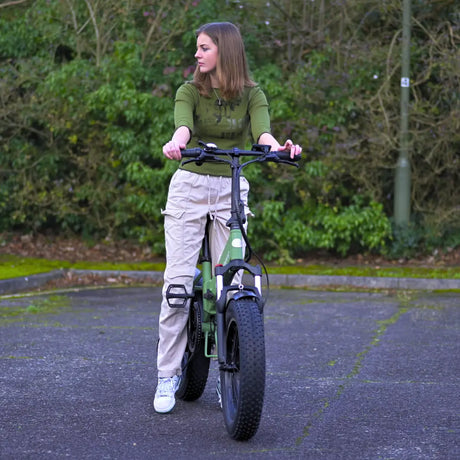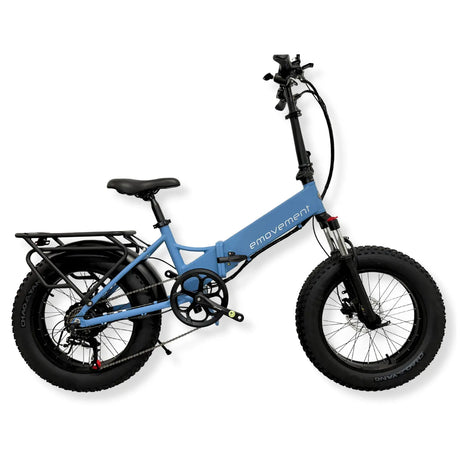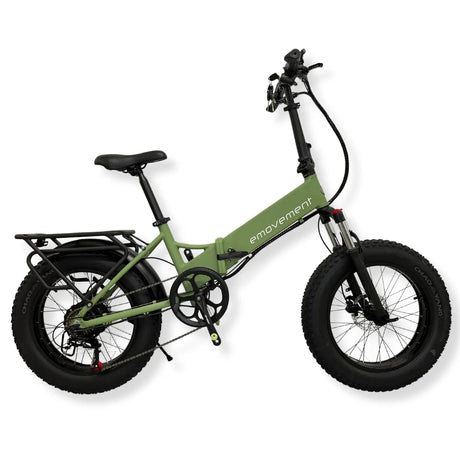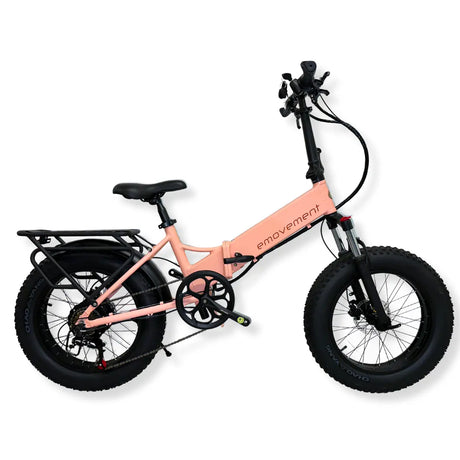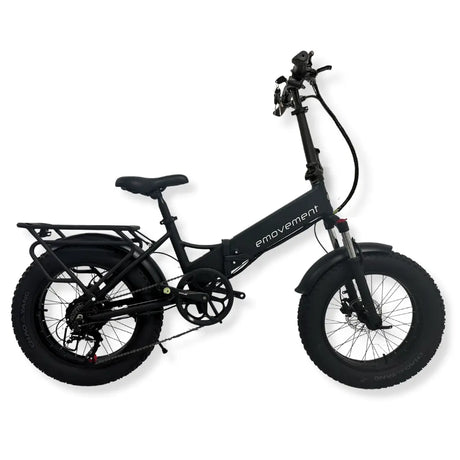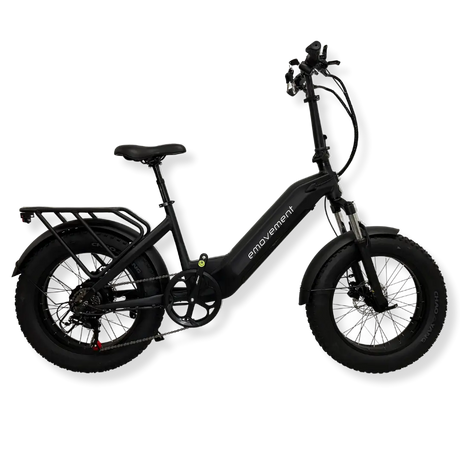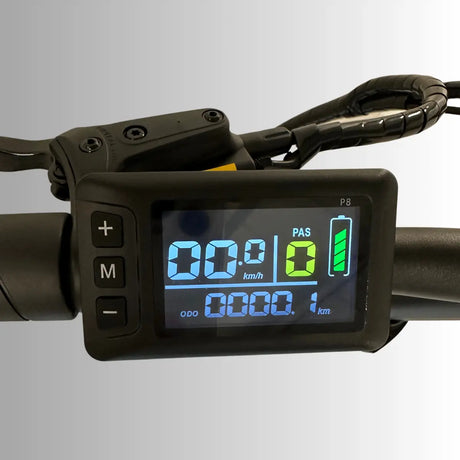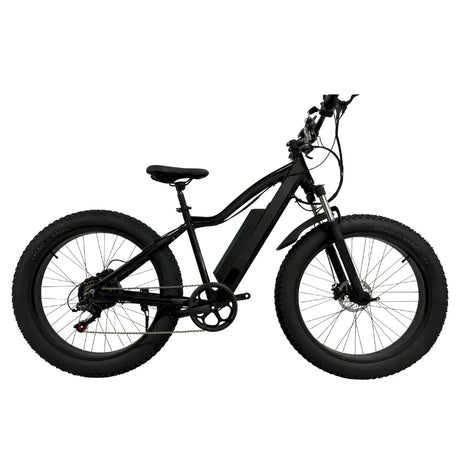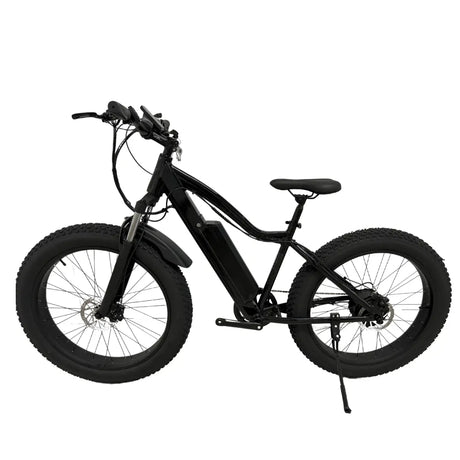

Choosing the right e-bike requires a lot more than just comparing the design and pricing of e-bikes. By learning about essential specifications of e-bikes like battery capacity (Wh), torque (Nm), motor power (W), range and speed, one can choose the best e-bike for themselves. For those in search of an electric commuter bike, long-range electric bike or even an electric mountain bike (e-MTB) in the UK, it is important to learn about these specifications to make a wise decision. This guide by E-Movement explains the most important electric bike specifications for riders in the UK, making it easier to compare models and choose a road-legal electric bike with confidence.
1. Battery Capacity (Wh)- The Fuel Tank
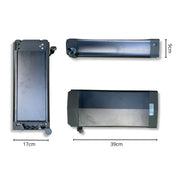
Choosing an electric bicycle in the UK,understanding e-bike battery capacity (Wh) is essential.The measurement is known as Wh, which stands for Watt-hours and is calculated by multiplying the Voltage (V) and Amp-hours (Ah), meaning that this value represents the total amount of energy stored in an electric bike battery. In other words, you can see the capacity of an e-bike battery as fuel tank capacity—the more Wh the battery can hold, the more time your e-bike can run on pedal assistance without charging. Most UK e-bikes offer batteries with capacities from 300Wh to 750Wh, where 400Wh to 625Wh are most common for daily commuting and recreational riding. Smaller batteries with capacities of 250–300Wh are perfect for short urban rides, whereas bigger batteries with 625Wh–750Wh are used in long-range electric bikes, e-MTBs and hill riding.
Factors That Affect E-Bike Battery Life
Despite a high capacity battery in your e-bike, many real-life factors impact your e-bike battery life ,performance and overall range of the e-bike in the UK.
-
Ambient Temperature in the UK: Low temperatures reduce the efficiency of the lithium-ion battery this decreases the performance and number of miles you get from one charge during cold times.
-
Battery Age & Charge Cycles:With time, all e-bike batteries experience reduced capacity. Lithium-ion batteries start to degrade after hundreds of charge cycles.
-
Battery Storage and Charge Practices: Keeping your detachable battery of an e-bike completely drained or in humid and cool places reduces battery life.
E-Movement electric bikes are equipped with premium Samsung or Panasonic lithium-ion battery cells for reliable performance and long-lasting durability. These high-quality batteries deliver consistent power, dependable e-bike range and improved efficiency in changing UK weather, making every ride more reliable.
2.Torque (Nm) – The Climbing Force
Torque (Nm) is one of the main factors when comparing motor specs of electric bicycles. Torque, which is measured in Newton-metres (Nm), is the pull of the motor of an electric bicycle. Torque (Nm) does not affect UK EAPC compliance, making it one of the best specifications for comparing the real-world performance of electric bike motors. Since road-legal electric bikes share the same legal power limit, torque is one of the best indicators of real-world motor performance.Motors of 35-50Nm are best for flat urban commuting, while 50-70Nm is perfect for everyday use and hills. Lastly, 70-100Nm and above is the ideal torque for hilly UK rides, cargo bikes, and electric mountain bikes (e-MTBs). Many mid-drive motors produce higher torque because they use the bike's gears to deliver stronger and more efficient climbing performance.
Factors That Affect E-Bike Torque Performance
Although the E-bike motor's torque rating is important, several real-world factors influence how much power you experience on the road.
-
Motor Specifications: While mid drive motors utilize the gears of the bicycle to maximize their ability to climb hills, hub drive motors offer smooth and direct power delivery.
-
Rider & Cargo Weight: Carrying a load like shopping, baggage, or other items places a greater load on the motor and thus requires more torque,especially during daily commuting in the UK.
-
Terrain & Road Conditions: Steep UK hills, uneven and rocky terrains require more torque than smooth roads.
The E-Movement electric bicycles are fitted with high-performing brushless motors which guarantee the e-bikes excellent torque output. Be it riding on the city roads or climbing hills in the countryside .Our e-bikes provide acceleration, great hill climbing and reliable power when you need it most.
3.Power (W) -The Legal Boundary
In assessing the specs of electric bicycle motors specifications ,motor power (W) is an important figure to understand. Measured in watts (W), it represents the motor's continuous power output . For road-legal electric bikes under UK e-bike laws, it should have a maximum 250W continuous power output and should also be capable of stopping pedal assistance once it reaches 15.5mph (25km/h). If you want to ride your 250W electric bike in the UK, then you are allowed to do so on public roads without having a driving license, vehicle tax, or mandatory insurance.
Factors That Affect Motor Power Performance
Even though all 250W electric bike motors have the same legal wattage rating, there are some considerations on how efficiently this power is transferred when you are riding your bike regularly.
-
Electric Motor Controller: Smart motor controllers help manage the power output so that your bike complies with EAPC regulations in the UK and at the same time works efficiently.
-
Temperature & Heat Management: Heat is generated due to long ascents and hot weather and results in poor performance until the motor cools down.
-
Pedaling Cadence: If you pedal smoothly, the motor operates more efficiently and ensures that the battery works more effectively too.
All e-bikes produced by us, strictly adhere to UK EAPC guidelines, allowing you to enjoy the freedom of riding an e-bike in perfect accordance with all legal requirements.This means you can enjoy hassle-free electric cycling without needing a driving licence, vehicle registration, road tax or compulsory insurance.
4.Range (Miles/Kilometres) – The "Distance Potential”
In choosing between various models of electric bicycles in the United Kingdom, one of the key specifications that need to be considered is the range of an electric bicycle. It means the estimated distance that an e-bike is able to cover on a single battery charge while using pedal assistance. The higher the range, the more flexible you will be to travel far distances without having to recharge your batteries often. Whether you're riding through busy cities or the UK countryside, understanding your bike's range helps you choose the right model for your cycling needs.
Factors That Affect E-Bike Range
Although manufacturers provide estimated mileage, your actual electric bike range depends on several real-world conditions.
-
Battery Capacity (Wh): Higher battery capacity (Wh) means more energy storage capability for your electric bike battery, leading to extended range and mileage for your electric bike riding in the UK.
-
E-Bike Mode (Pedal Assist): Riding on an eco-mode ensures maximum energy efficiency, whereas high pedal assist (PAS) setting uses up more energy and decreases your total electric bike range.
-
Wind, Load & Terrain: Headwind conditions, high load and UK hilly terrains need more motor power, which leads to increased energy consumption of your battery.
E-Movement electric bicycles are designed to increase the range of the e-bicycle, without in any way affecting its performance.With high-capacity battery options and energy-efficient motor systems, our e-bikes provide reliable mileage, making them ideal for urban travel, countryside rides and long-distance cycling across the UK.
5. Speed (mph/km/h) - The "Assistance Limit"
When comparing electric bike specifications, e-bike speed is one of the most important factors. It refers to the maximum speed at which the e-bike motor provides pedal assistance and then shuts down on its own. The maximum speed of the motor for a road-legal electric bike in the UK is 15.5 mph (25 km/h). After that, you can move further faster by pedalling on your own.
Ultimately, all electric bikes in the UK stop assisting the rider at the same speed,
regardless of the type of bike so top assisted speed is not the deciding factor when choosing different e-bikes.
Factors That Affect E-Bike Speed
Although all road-legal electric bikes stop providing pedal assistance at the same speed, several factors influence how quickly you reach and maintain that speed.
-
Type of Motor & Power Delivery: The kind of motor will impact the rate of acceleration and the top speed that an e-bike is able to achieve. In general, mid drive motors deliver better acceleration and hill climbing than hub drive motors, which in turn deliver constant speeds on flat terrains.
-
Type of Tyres & Pressure: Soft tyres with low pressure and wide tyres with knobbies will increase the rolling resistance. This reduces the top speed, whereas hard tyres at optimal pressure will ensure better speed delivery.
-
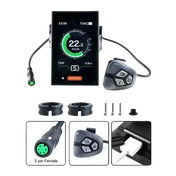
Smart Motor Controller & Pedal Assist: Contemporary e-bikes rely on smart motor controllers that control power delivery and different levels of pedal assists to maintain smooth acceleration and assisted speed.
E-Movement electric bikes have speed sensors and smart motor controls to provide natural support all the way up to the maximum legal amount. This allows riders to enjoy a smooth ride while being guaranteed that each and every e-bike is 100% compliant with UK EAPC standards.
Frequently Asked Questions
1. What will happen if I travel on the e-bike at a higher speed than 15.5 miles per hour?
The e-bike's electric motor will cease supplying power. You will be able to travel faster than 15.5 miles per hour (25 km/h) though only through using 100% of your own energy.
2. Can I wash my e-bike with a garden hose or pressure washer?
No. Although e-bikes are water resistant and can withstand the UK rain, the high-pressure water will enter the motor, battery and display through the seals, damaging the system permanently. It is better to wipe it using a damp cloth and special bike cleaner
3. How does cold winter weather affect my e-bike battery?
The lithium-ion cells' efficiency lowers due to low temperatures, resulting in an approximate 20% to 30% lower range. To prevent the battery from malfunctioning, it is necessary to store and charge it indoors
4. Which is better for climbing steep hills: higher Wattage (W) or higher Torque (Nm)?
High Torque (Nm). Because the maximum allowed continuous power in the UK is 250W, then torque is the parameter that defines hill-climbing capabilities. The motor with 70Nm - 90Nm helps you to overcome any steep hills easily compared to 35Nm of the motor even though both have 250W.
5. Do I need to completely drain my e-bike battery before charging it?
No. Nowadays, batteries do not have a memory effect. It means that discharging them to 0% harms them and reduces their life cycle. The best way would be charging the battery after each ride within 20% and 80%.
Find the Right E-Bike Based on Its Specifications
Thinking of getting yourself an e-bike in the UK? Discover what E-Movement has in store by browsing through the various models of e-bikes which are legal for use on roads and comparing e-bike specifications such as battery capacity, torque, motor power, distance and speed.
Come visit us and enjoy performance and quality assurance.
Contact us
📍 Visit Our Store: 12 Broadway Woking. GU21 5AP
📞 Phone: +44 1483 363063
📧 Email: move@emovement.co.uk