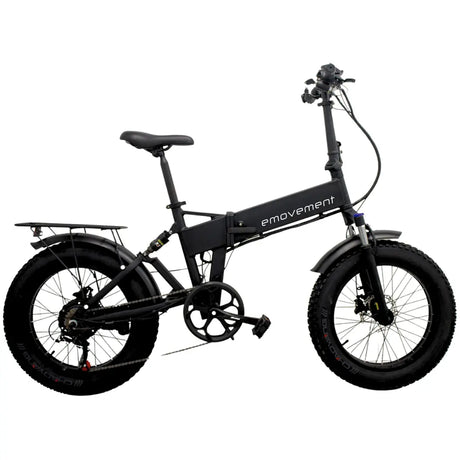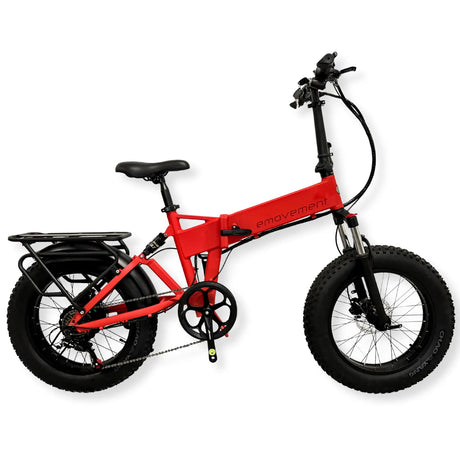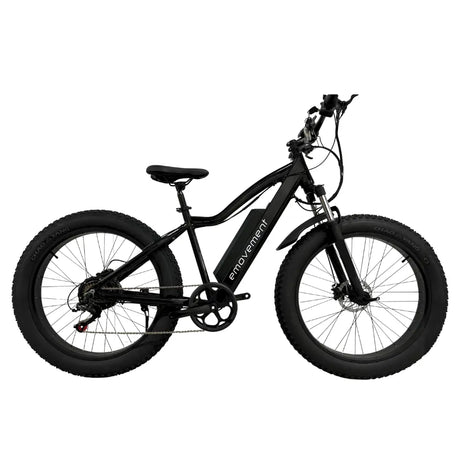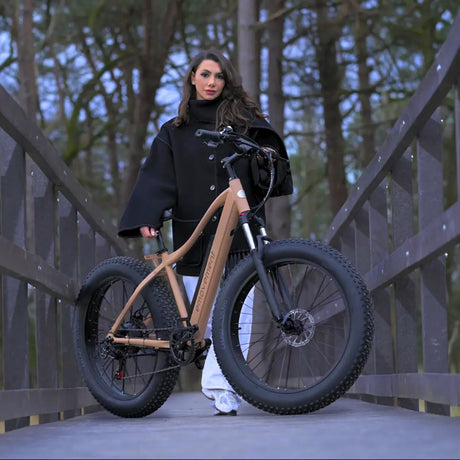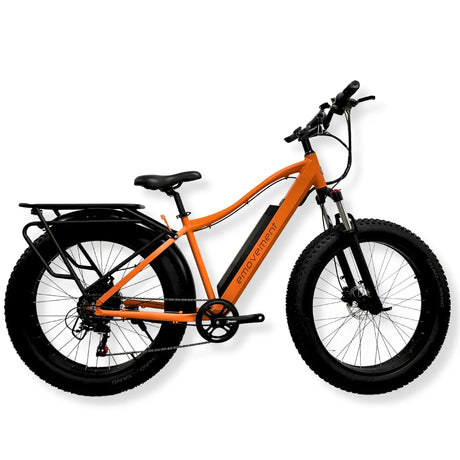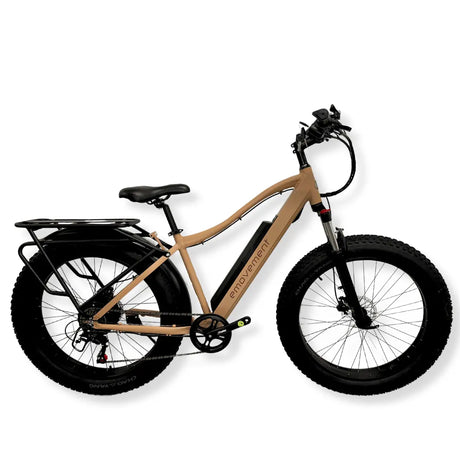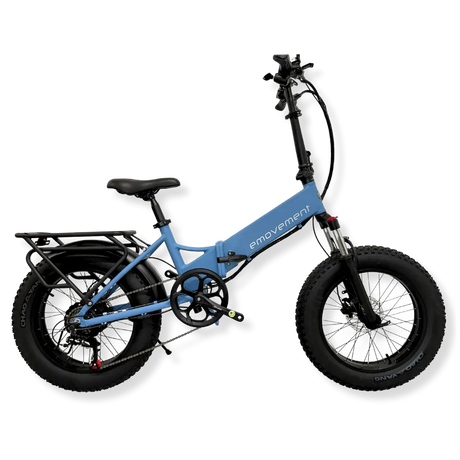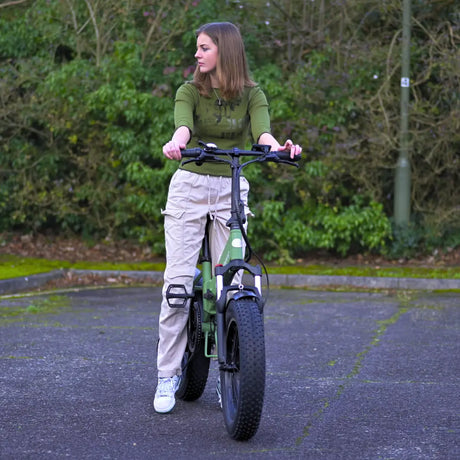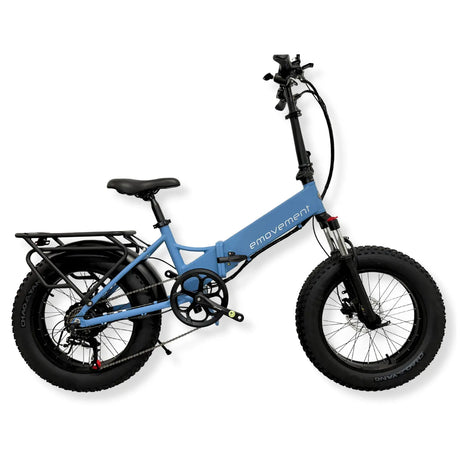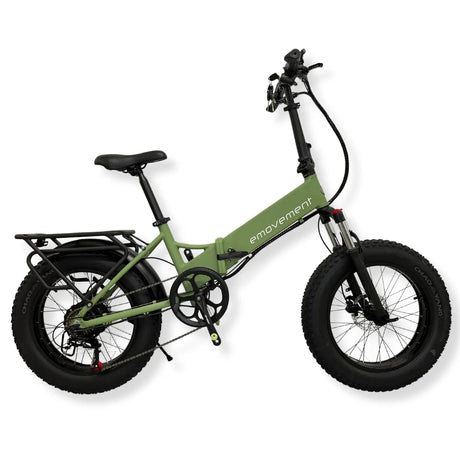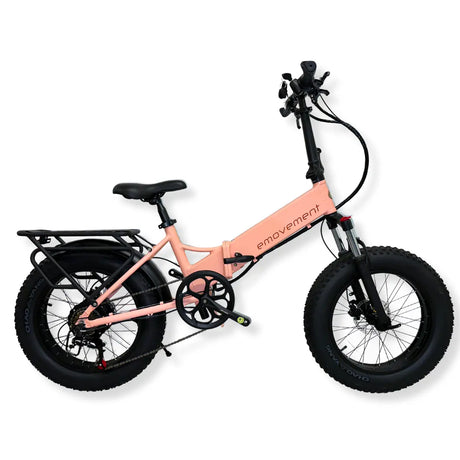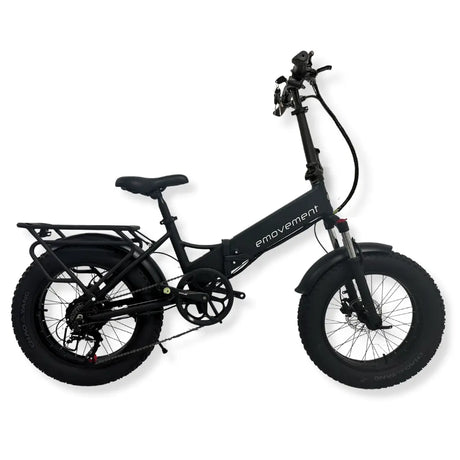

The UK has been witnessing increasingly warmer summers along with sudden heatwaves in recent times, where temperatures have been hitting records in many parts of the country. Though warm sunshine helps in having optimal riding conditions, excessive exposure to heat affects the performance and longevity of crucial bike parts including the e-bike battery, charger, motor and electronics.
Proper electric bike maintenance and battery management play a vital role in hot weather conditions at E-Movement. Being one of the most reputable electric bike specialists in the UK since 2018, we ensure that our clients are aware of how increasing temperature can influence their bikes and offer practical solutions to safeguard their bikes against any damage in summertime. Our advice includes everything from proper e-bike charging to battery storage and other maintenance tips to enable you to enjoy your e-bike in all types of weather.
Why Heat Is a Bigger Threat Than Most Riders Realise
Most modern e-bikes rely on lithium-ion battery technology, a power source chosen for its excellent energy density and long cycle life. The downside is that lithium-ion batteries are truly susceptible to changes in temperature. Although a hot day may suit you fine, the workings of the battery inside could be under a lot of strain, particularly once temperatures get above 25C. If left unchecked, the effects of this temperature build-up are not limited to reducing your journey distance but may ultimately reduce the lifespan of the battery and, in severe cases, present a danger. Knowing all this will help ensure you are able to safely ride through any UK summer.
The Battery: Your E-Bike's Most Heat-Sensitive Component
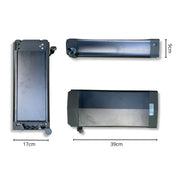
Your e-bike battery is the most affected by increased temperatures. With the lithium-ion pack exposed to sunlight, placed in a warm vehicle, or kept in a poorly ventilated shed, the cells heat up too quickly compared to their capacity to release that excess heat safely. Over time, this overheating leads to increased battery degradation, lowering the total energy level and e-bike range.Easy e-bike battery maintenance tips are:
-
Sun Protection: Always keep the battery away from sunlight when parking your e-bike even for short periods of time in order to avoid solar heating.
-
Cool Down: Do not charge an e-bike battery right after riding your bike for hours and being in the sun; let it cool down first to prevent the battery from overheating.
-
Proper Storage of E-Bikes: Do not leave the battery inside a car, an unventilated garage, or a conservatory on warm days, as the interior temperature may be much higher than outside.
-
Storage Charge Level: Store your battery at a partial charge (ideally around 50-60% state of charge), rather than fully charged, if you are planning on storing an e-bike without riding for several days.
Riders all over the UK tend to believe that since our weather conditions are not so extreme ,electric bike maintenance matters less here .However, even a mild weather condition in the UK can be detrimental to the battery pack, which means that proper maintenance is more important than the temperatures.
Still Not sure how your current e-bike battery is holding up in the heat? Contact us and our team will talk you through it.
Chargers and Charging Habits in Summer
The e-bike charger may not be considered an important aspect of e-bike battery charging at first glance. However, it is just as important as the Lithium-Ion battery itself when there are high temperatures in the surroundings because of the production of thermal energy when e-bike batteries are charged. To ensure proper e-bike battery safety in warm weather conditions:
-
Ventilated Area for Charging: Charge your bike in a ventilated area. Avoid charging your bike in the sun and unventilated conservatories.
-
Manufacturer-Specific Charger: Use only the manufacturer-approved e-bike charger explicitly designed for your specific model, as mismatched, third-party units lack vital safety features and can overheat far more quickly.
-
Prevention of Overheating Due to Overcharging: Disconnect the charger once the battery gets fully charged and avoid charging it overnight during warm weather. This way, unnecessary heating will be avoided.
-
Charging Cables Inspection: Always check your charging cables and pins on a regular basis because high surrounding temperatures can easily lead to wear and tear of plastic parts of the charger resulting in a short circuit.
If you are a UK commuter charging your e-bike daily, building these small checks into your electric bike maintenance routine takes only a moment but adds real, long-term protection against severe battery degradation and component wear.Our mission at E-Movement is to assist our riders in getting the most out of their e-bikes. We offer our riders valuable advice about how to look after their e-bike batteries, correct ways of charging them, as well as advice about the maintenance of their e-bikes during the summer period in the UK.
Motor, Display and Other Electronic Components
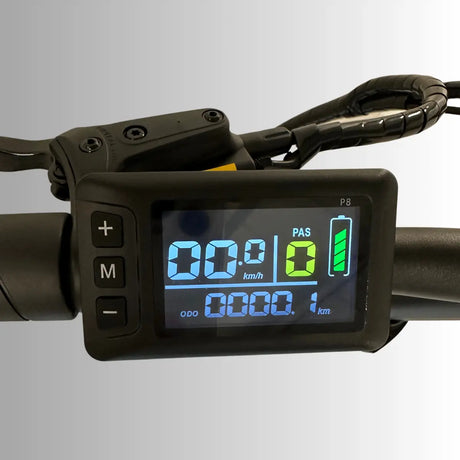
The heat does not cease at the point of the battery pack. In addition, the e-bike motor, the LCD display unit of the bike itself, the electronic controller of the bicycle, and the wiring harness connecting all the parts together are highly affected by being subjected to excessive heat. The electric motor working in a challenging environment with many hills and dense urban traffic conditions generates substantial amounts of thermal energy internally, and heat in the surroundings makes the cooling process less efficient.
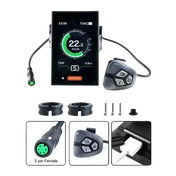
Likewise, the digital display screen and control units can become unresponsive, fade, or temporarily shut down due to overheating in order to prevent permanent damage to the internal components of the devices.
Localized temperature levels in the UK summertime conditions can rise sharply even in urban paved street conditions or inside storage areas. Giving your electric bicycle short rest periods in the shade during long, hot rides allows these vital parts to cool naturally. This simple practice prevents e-bike motor overheating and keeps your overall e-bike performance consistent across the UK, from the first mile to the last.
Experiencing display glitches or reduced motor power in warm weather? Get in touch and we’ll help diagnose the issue.
Tyres, Brakes and Frame: The Parts People Forget
While the power pack often takes centre stage in terms of maintenance, hot road surface and air temperature changes also affect your e-bike tyre pressure, braking, and even frame. As the temperature rises, the air inside your tires expands, which means that the pressures set correctly in the early spring could climb through the summer period. There is a danger of getting tyre bursts while driving on uneven road surfaces. Using an e-bike tyre pressure gauge to keep track of your wheel pressures at least twice a month and adjust them accordingly is definitely a good idea.
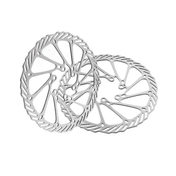
Your e-bike disc brakes may heat up considerably during summer rides in warm conditions. Taking small breaks from time to time when you are cycling in summer will be very helpful here.Aluminium and carbon frames of the e-bikes tend to expand due to the high temperature, too. Although thermal expansion is not really anything to be concerned with on a daily basis, this is yet another thing to remember in order to not park your electric bike in the sun for a long period of time.
Smart Storage Tips for Hot Weather
Where and how to store your e-bike after a ride is just as important as the way you use it. Proper summer storage will protect all parts equally:
-
Use shady and airy spots instead of closed garages or metal sheds which accumulate heat.
-
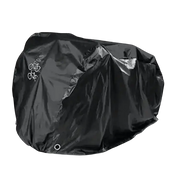
Use a porous cover when storing the bike outside this cover protects the frame and electronics from the sun but doesn’t trap moisture inside.
-
Take the battery out before leaving it for several days in warm weather.
-
Inspect the bike after a heatwave to check the cables’ softness and plastic deformation or unusual battery warmth.
It’s especially helpful for UK bikers who may have to store their e-bike in a garden shed or garage which heats significantly during a sunny period in the country not famous for its heat.
Want a quick summer health-check before your next big ride? Contact us to book yours in.
How E-Movement Supports Riders All Year Round
Our range of bikes at E-Movement takes into account the actual use and the fact that a UK summer can be quite warm. But the advice on batteries does not end there: we will help with the charging and maintenance of your e-bike battery no matter what time of year it is. And whether this is your first or your tenth purchase from us, we hope that each of you feels safe on your bike come rain or shine. If anything about your battery or charger seems off, don’t let the problem escalate into something worse.
Ready to talk to a real person about your e-bike? Get in touch with the E-Movement team today.
Frequently Asked Questions
Can I ride my e-bike in hot weather?
Yes. E-bikes are designed to operate safely in normal summer conditions. The key is avoiding prolonged exposure of the battery and charger to direct sun or extreme heat when the bike isn't in use.
What temperature is too hot for an e-bike battery?
Most lithium-ion battery packs perform best between roughly 15°C and 25°C. Sustained exposure above 40°C, such as inside a hot car, can accelerate degradation and should always be avoided.
Should I charge my e-bike battery straight after a ride on a hot day?
In general, it’s best to allow the battery to cool down to room temperature before attempting to charge it. Since both activities produce additional heat anyway, combining them is counter-productive.
How do I know if my e-bike battery has been damaged by heat?
Common symptoms are decreased capacity, uncharacteristic heat while the battery is not being charged, swelling and unexpected shut down. In case you notice any of these symptoms, discontinue use of the battery and contact E-Movement
Does E-Movement offer support for battery and charger issues?
Yes, our specialists are ready to help customers from the UK with their concerns about maintenance, diagnostics, and replacement technicians
🚲 Ride with Confidence in Any Weather
Hot weather doesn't have to mean compromise. With a few consistent habits around charging, storage and general care, your battery, charger and every other component can keep performing reliably through the warmest months of the year. E-Movement is here to support riders across the UK with genuine advice, quality parts and a team that actually rides what it sells..
Contact us
📍 Visit Our Store: 12 Broadway Woking. GU21 5AP
📞 Phone: +44 1483 363063
📧 Email: move@emovement.co.uk