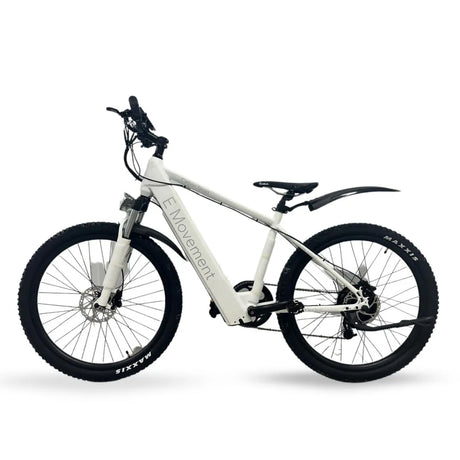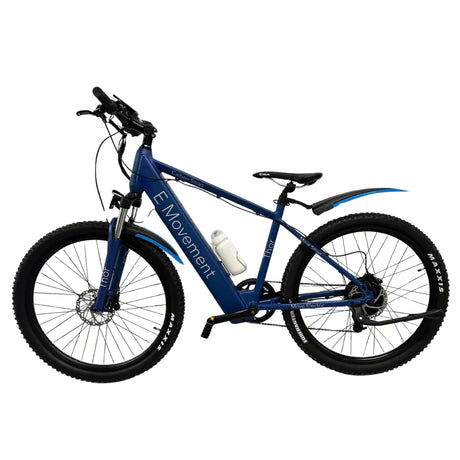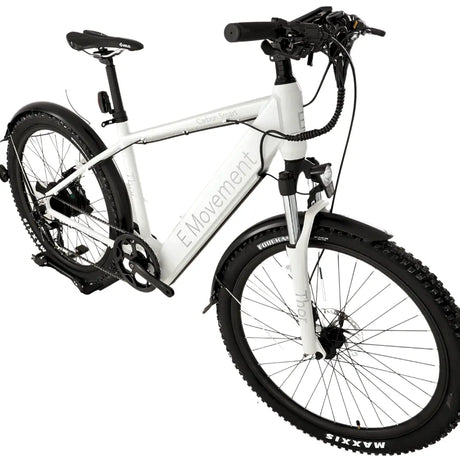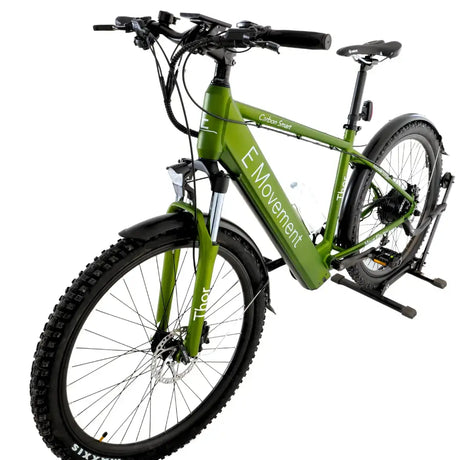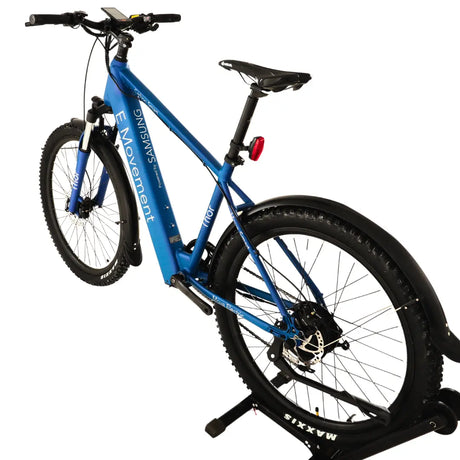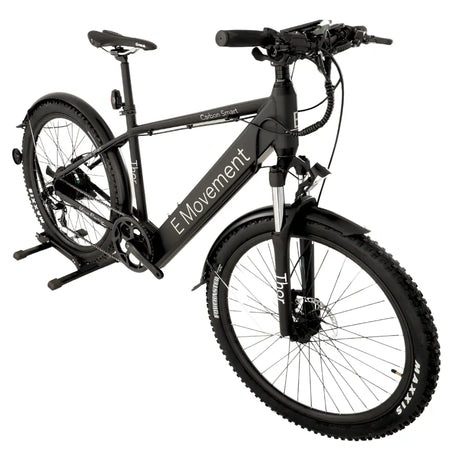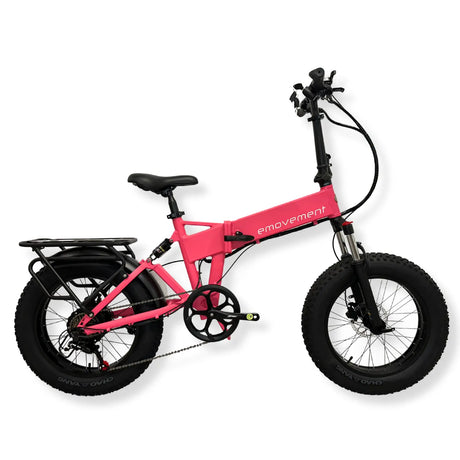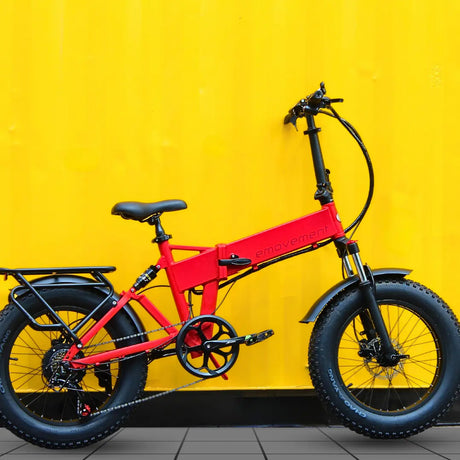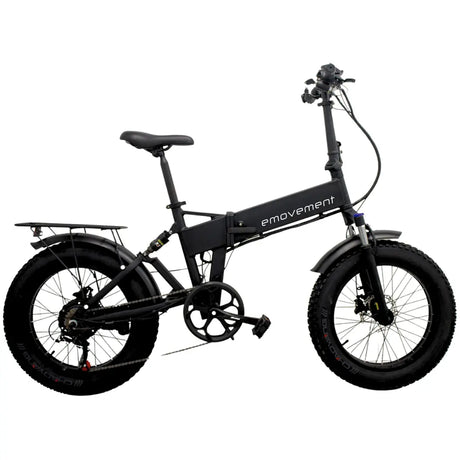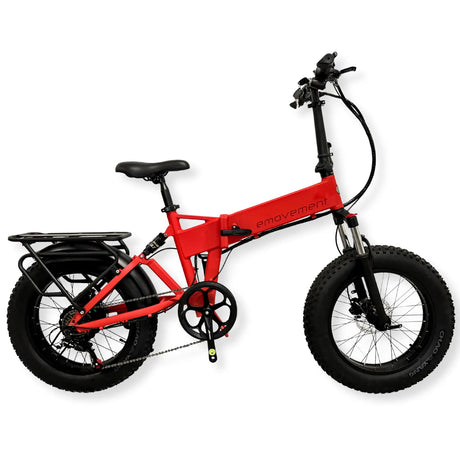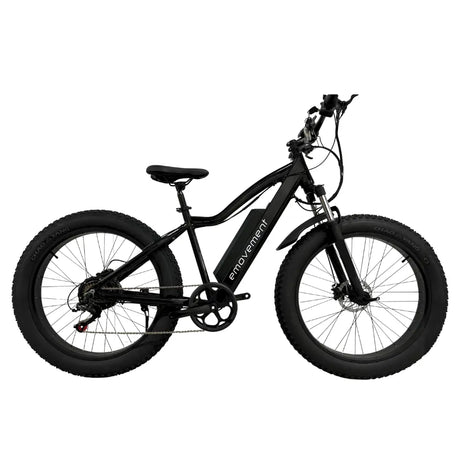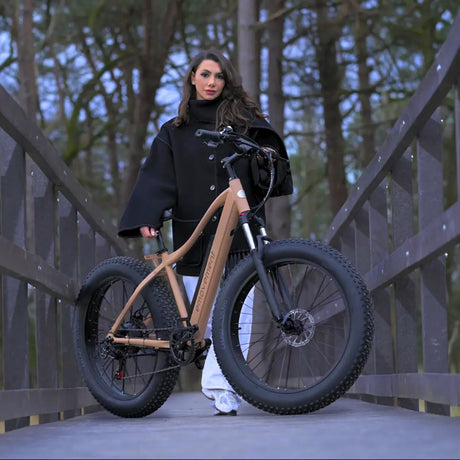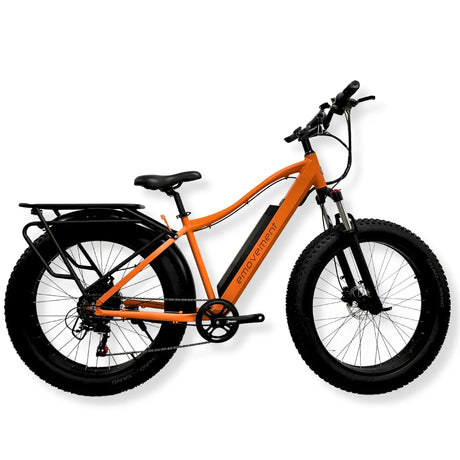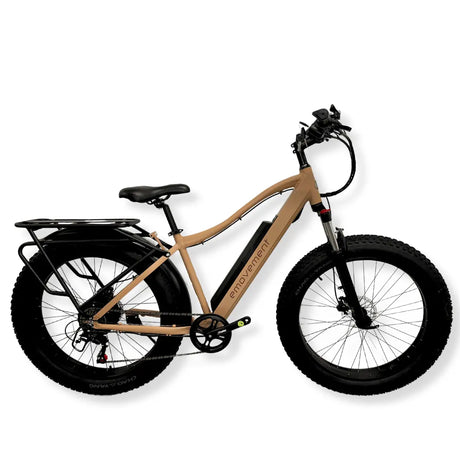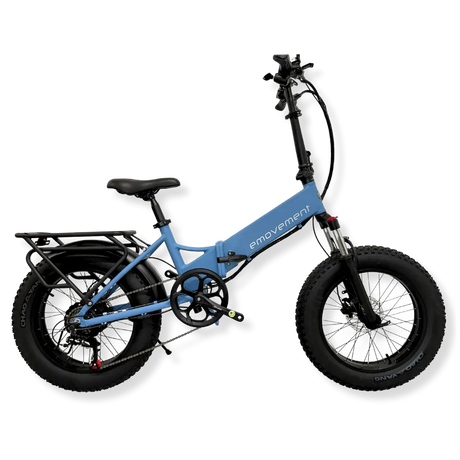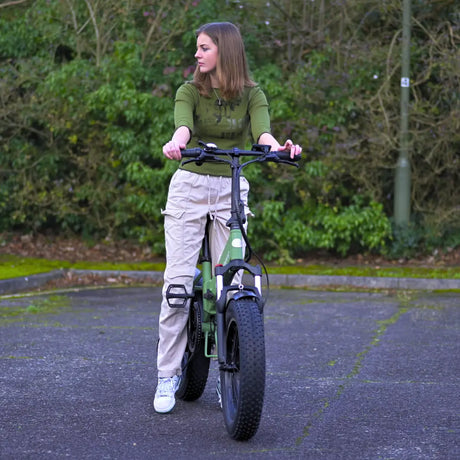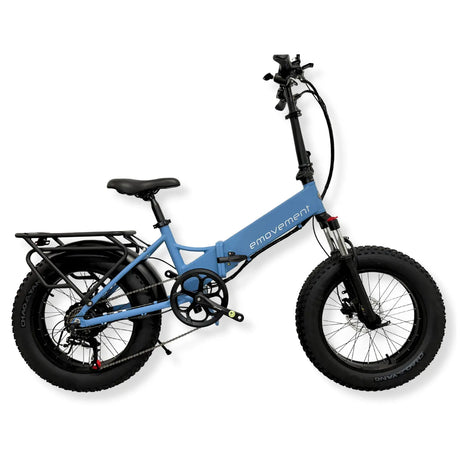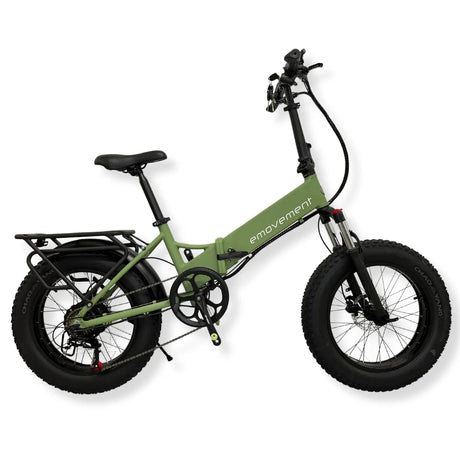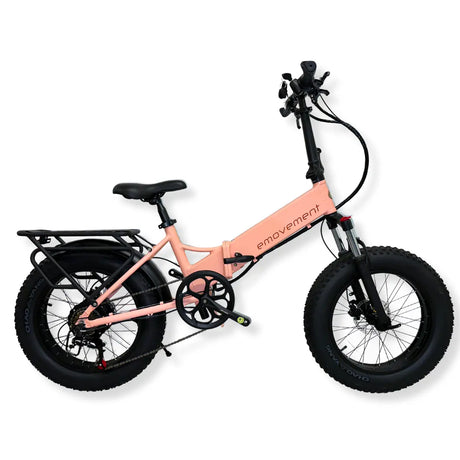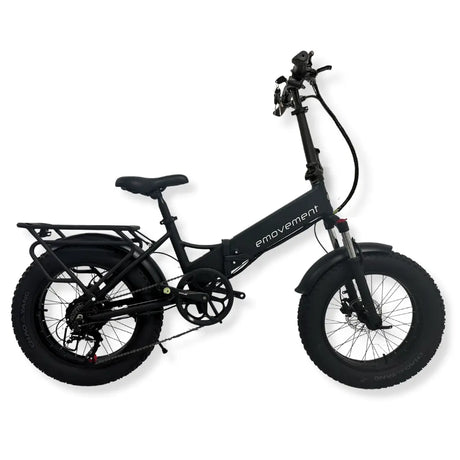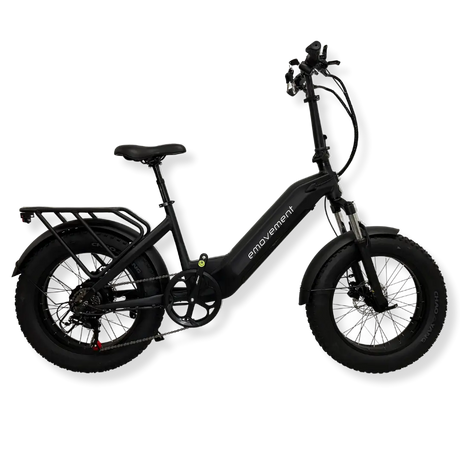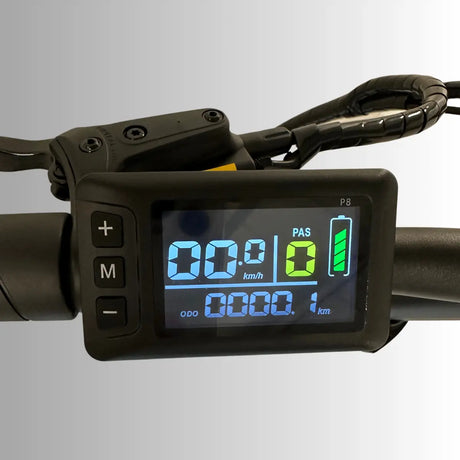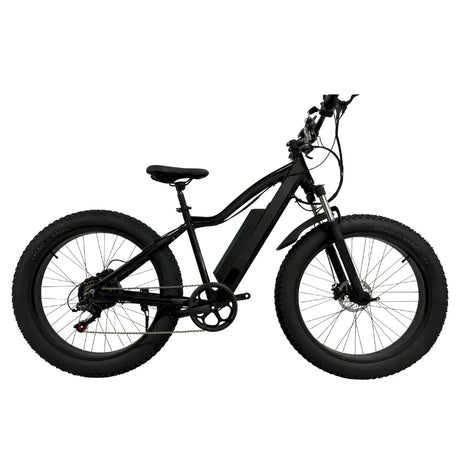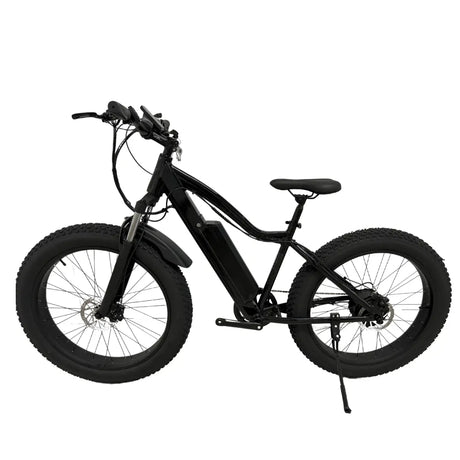

E-Bikes have become a significant contributor to The Green Shift in UK Transport, providing a viable solution for commuting or exploring without incurring the high running costs of car ownership. To ensure you take full advantage of your investment as well as complying with the law it is important that you fully understand what constitutes an EAPC (Electronically Assisted Pedal Cycle), how they differ from mopeds, and thus what EAPCs can be used in a similar manner to "normal" bicycles.
How long do electric bikes last in the UK?
On average, an electric bicycle (e-bike) can last from 5 to 10 years with appropriate care and maintenance.
If the motor and frame on a high-quality e-bike may exceed 10000 - 20000 miles, a lithium-ion battery is a "consumable," generally requiring new every 3-6 years or every 500-1,000 cycles of charging.
What is the legal limit for electric bikes in the UK?
E-bikes that are legally exempt from motor vehicle laws include the following:
A maximum motor power of the motor is 250 watts continuously and the maximum permitted speed for the power assisted cycle is 15.5 mph (25 km/h). In addition to being 14 years or over must the rider be.
What electric bikes are legal in the UK?
E-bikes that are legally allowed (EAPC) must have pedals for propulsion and provide electrical power to assist only when the rider is pedalling.
When you look for good quality e-bikes from established UK brands such as Raleigh, Brompton, and Whyte you'll be sure to purchase one that is fully compliant.
Where to buy electric bikes near me in the UK?
You can also buy electric bicycles from many large retailers such as E movement, Halfords and Decathlon, or from best in specialty stores such as 99 Bikes, Pauls Cycles, and Edinburgh Bicycle Cooperative. Many independent local bike shops will have e-bikes available for test rides.
Are electric bikes legal in the UK?
In the event that they comply with the EAPC legislatures (a 250-watt engine and 15.5 maximum speed with pedal boost) electric bikes are both legal and classified as standard bicycles. Conversely, electric bikes exceeding those limits will be classified motorcycles/motors and will need proper registration, insurance and buffs necessitated therefor.
What are the best electric bikes in the UK?
Presently, the best rated designs on the market are:
-
Thor e bikes — This bike is a perfect blend of comfort and light-weight construction giving the rider a ride that is well-balanced.
-
Folding e bikes— Brompton Electric G-Line/C-Line — Ideal for use as a commuter and for storing in a small space.
-
Premium/Hybrid — Specialized Turbo Vado SL 2 — This e-bike has a feel similar to an analog bike and offers superior quality to most electric bikes on today's market.
-
Pixie — Tern GSD S10 — This is a benchmark model for use by families who want to replace their cars.
What is the legal power limit for electric bikes in the UK?
As far as the maximum power is concerned, the maximum continuous rated power limit is 250w. Peak wattage (the burst that you get climbing hill) could exceed the allowed maximum; while your continuous usage must fall below 250w.
Why are electric bikes illegal in the UK?
When properly manufactured/electric e-bikes, they are not illegal. However, if they have a motor greater than 250w, they are no longer e-bikes and, therefore, are illegal for use on public roadways unless they are registered and insured as motor vehicles.
How fast can electric bikes go in the UK
With regards to the motor on ebikes, they stop providing assistance when you reach a speed of 15.5 miles per hour (25km/h). You, as the rider, can pedal as fast as you are able with the power of your legs regardless of whether that is over 15.5 mph.
How much are electric bikes in the UK?
Electric bikes vary in price depending on what you want. The cost range for E-bikes can be quite large:
Budget: between £400-900 (for example iSinwheel ebikes or basic halfords ebikes).
Medium: between £1500-2500 (for example standard commuter ebikes or hybrid ebikes).
High-end: between £3000+ (for example premium road e-bikes or full suspensions mountain ebikes).
What are the 2 types of electric bikes in the UK?
There are two classifications for ebikes:
EAPC Pedelec: Standard ebikes and the legal e-bikes under the EAPC legislation. (250w; 15.5mph) They are classed as regular bicycles.
S-Pedelec: These are fast bikes that can provide assistance upto 28mph (45km/h). They are classed as mopeds under the UK laws and required to have an air helmet in addition to a motor vehicle registration/motor vehicle driver's license.
Where can you ride electric dirt bikes in the UK?
Electric off-road motorised bicycles (also called electric dirt bike, electric off-road motorcycle, or electric motocross bike) are in general treated as motorcycle by the law. Therefore, you can legally ride electric dirt bikes like Sur-Ron and Talaria on private land as long as you have the land owner's permission. You, however, cannot legally ride dirt bikes on public property unless they are registered and purchased insurance as well as taxed as a moped or motorcycle in your country of residence. There are also restrictions against riding on pavements, cycle paths and most public bridleways as well.
Who makes Ancheer electric bikes in the UK?
Ancheer is a Chinese company that sells products directly to UK end-users through large e-commerce platforms such as Amazon and eBay. They do not operate a UK based factory, but they are among the most popular budget brands of electric off-road motorised bicycles for new to sport entry riders.
How do electric bikes charge in the UK?
Electric dirt bikes can be re-charged using the standard UK three-pin plug (Type G), most electric off-road motorised bicycles will be supplied with a dedicated charger which looks exactly like your laptop power supply that is used to charge your laptop, but is used to charge your electric dirt bike while connected to the charger port on your bike and/or directly connected to the battery when the battery is removable.
How are electric bikes charged in the UK?
As simple as it is to charge an electric off-road motorised bicycle, you connect the rechargeable battery to a charger plugged into a wall outlet then plug that charger into the battery. A full charge can take anywhere from 3 to 7 hours, but depending on the size of the battery being re-charged, the actual time will vary. Many commuters charge their electric dirt bikes at work and/or overnight at home while sleeping.
What speed do electric bikes go in the UK?
The UK legal definition of an electric-powered bicycle is an electric bicycle which provides motorised assistance to a maximum speed of 15.5 mph (25 km/h). The motor ceases to function when the bicycle reaches 15.5 miles per hour but a cyclist is able to exceed this speed by either pedalling faster, or travelling down a hill. There is nothing in UK law that would prevent a cyclist from exceeding 15.5 mph using either gravitational or human power.
How fast are electric bikes allowed to go in the UK?
The "assisted speed limit" for e-bikes in the UK is only 15.5 mph. Motorised bicycles that provide assistance above the assisted speed limit and are not registered as mopeds are classified as unlawful vehicles on roads in the UK.
How far can electric bikes go in the UK?
The range of an electric bicycle on a single battery charge can vary widely, from 20 to 60 miles depending on terrain and mode of electric assist. High-end electric bikes can achieve over 100 miles range through the use of dual batteries or "range extenders". Low-cost electric bicycles can be expected to provide 20-25 miles of range against flat terrain and no assist mode.
How fast can electric bikes go in the UK?
Technically you can pedal as fast as the bicycle allows you to; however, in all cases electric assist is required to stop functioning at 15.5 mph.
What is the law for electric bikes in the UK?
According to the law (EAPC), in order to qualify as an electric bicycle an electric bicycle must have:
- pedals
- a maximum 250 Watt motor
- a maximum assisted speed of 15.5 mph
All riders must be 14 years and older to operate an e-bike; if you abide by all of the above, you do not need a license, tax or insurance.
How much are electric dirt bikes in the UK?
Typical electric dirt bikes currently retail between £3,500 and £10,000; popular e-bike brands like Sur-Ron produce models starting around £4,500 while other high-end brands like Stark Varg produce adult e-motorcross bikes that can exceed £11,000 in price.
What is the law with electric bikes in the UK?
Electric bicycles will be treated as bicycles under the law, and you must respect the rules specified in the Highway Code (e.g., stop at red traffic signals, use lights at night) when you are using your e-bicycle on public roads/ cycle paths.
What is the speed limit on electric bikes in the UK?
E-bikes have a maximum motor-assisted speed of 15.5 mph, but there is no predetermined maximum speed for bicycles in the UK (except where local bylaws apply).
Are Beryl bikes electric in the UK?
Beryl has mixed fleets. In several towns and cities in the UK, such as Bournemouth, Hereford and Norwich, they provide both traditional pedal bicycles and electric-assist bicycles. The e-bikes may be recognised by the battery which is located on either the frame or on the front basket area.
How do electric bikes work in the UK?
In the UK, e-bikes use a 'pedal assist' system. A sensor (either cadence or torque) detects that you are pedalling and then sends a signal to the motor to provide power. The assistance from the motor must stop when you either stop pedalling (or if you are no longer pedalling) or when you reach a speed of 15.5 mph.
What electric bikes are street legal in the UK?
Electric mountain bikes (e-MTBs) function in the same way as city e-bikes however most of them include mid-drive motors to provide a better balance and provide higher torque for climbing steep hills. e-MTBs are still subject to the same 250W and 15.5 mph regulations in order to be considered as street legal when operating on public bridleways and trails.
How much do electric bikes cost in the UK?
Every bicycle that is compliant with the EAPC regulations can be legally operated on the street. Therefore it is necessary for it to have pedals and a continuous rated output of 250W, and operate at a maximum of 15.5 mph. If an electric bicycle has a "full speed" throttle (i.e. works over 3.7 mph without pedalling), then it is not considered street legal unless it is registered as a moped.