
Electric bikes are not just a fun way to get around, they are a greener, healthier, and increasingly practical alternative to cars and public transport. The UK government and several organisations recognise this. For 2026 there are support schemes, tax incentives, and workplace benefits designed to help people afford electric bikes.
When you understand these opportunities, you can make e‑bike ownership more accessible and affordable.
In this blog, we explain the key schemes available right now, who can use them, and how to apply. The aim is to help you see how these programmes work and how they could support your purchase of an e‑bike.
The biggest support scheme in the UK: Cycle to Work
The Cycle to Work scheme is the most widely used opportunity for people to save money on an e‑bike purchase.
This is not a direct government grant, but a tax‑efficient salary sacrifice scheme operated with employer involvement. Through it, you can save a significant amount compared with paying retail price upfront.
If your employer participates, the process works like this:
1. Your employer or HR team registers with a scheme provider such as Cyclescheme.
2. Once enrolled, you choose your e‑bike and any accessories that qualify.
3. The scheme provider issues a certificate or voucher for the cost of the bike.
4. You use this certificate at the retailer to obtain the bike and gear.
5. The cost is repaid monthly from your salary before Income Tax and National Insurance contributions are calculated.
6. Your employer also saves on National Insurance Contributions when you participate.
The key benefit is that you save on tax and National Insurance. Depending on your tax rate and the scheme provider, riders can typically save up to around 47% of the total cost of the bike and eligible accessories.
Eligibility basics for Cycle to Work
To use the Cycle to Work scheme you generally need to:
-
Be aged 16 or older and employed under PAYE (pay as you earn).
-
Have an employer that participates in the scheme.
You should choose an e-bike and accessories that meet EAPC (Electrically Assisted Pedal Cycle) standards. These are UK legal electric bikes with pedals, motors limited to 250W continuous power, and assistance cutting off at 15.5 mph.
If a bike is not EAPC compliant you cannot use the scheme for that purchase. It is important to check with the retailer and scheme provider before completing the order.
How much you can save
Your savings depend on your tax bracket and your employer’s payroll setup. Basic rate taxpayers will save less than higher or additional rate taxpayers because tax savings are proportional to your tax contributions.
Most participants see significant savings compared with buying direct.
What you can buy through the scheme
It is not just e‑bikes. Cycle to Work also covers many accessories that support safe and enjoyable riding, such as helmets, lights, locks, panniers and more. This gives you a complete package with tax‑efficient pricing when purchased through the same process.
Other grant and pilot programmes in the UK
There are some local and pilot funding opportunities that can support certain riders or communities.
Local grant schemes
Occasionally, local councils, community trusts, or regional partnerships have small scale e‑bike grant programmes. For example, a community group once offered up to £500 toward a new e‑bike or conversion for residents in a specific area of Scotland. This type of support is usually limited to residents in certain postcode areas and is applied for directly through the local provider.
These local initiatives tend to be limited in scope and can run out of funding quickly. Always check current details with the administering body (for example, via community council or local authority websites).
National pilot programmes
There are national programmes intended to encourage e‑cycle use, sometimes through trial loans or employment access schemes. One such programme connects riders to e‑cycle opportunities for travel to work or skills access. These projects vary by location and run on a pilot basis with limited quotas.
Unlike Cycle to Work, these are often temporary projects and not guaranteed year to year. They are worth checking for up‑to‑date participation rules and timelines.
Why temporary or local grants matter
Direct grants in the UK for individual e‑bike purchases are not as widespread as they once were. Large national electric bike grant programmes that existed in the past have been reduced or closed. However, local councils and community groups still sometimes offer small incentives or support, especially where transport equity or active travel benefits are a priority.
It is worth checking your local transport authority or council website for community transport grants, sustainable travel funds or active travel funds. These may provide smaller contributions toward e‑bike costs that can complement other savings such as Cycle to Work.
How to use government support with emovement
Understanding how these schemes work can help you make a smarter purchase.
Choosing your e‑bike
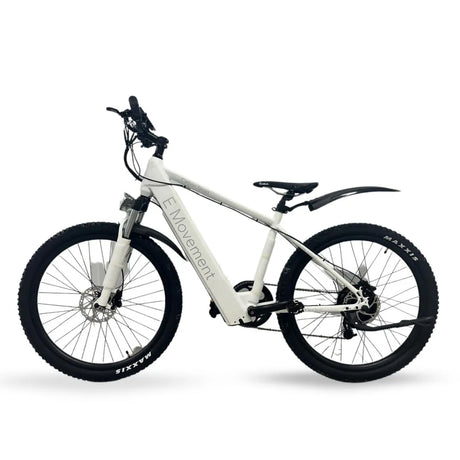
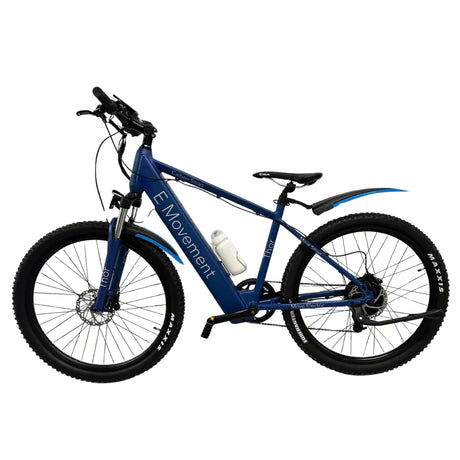
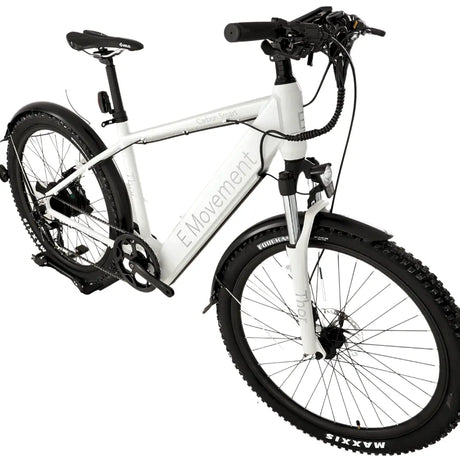
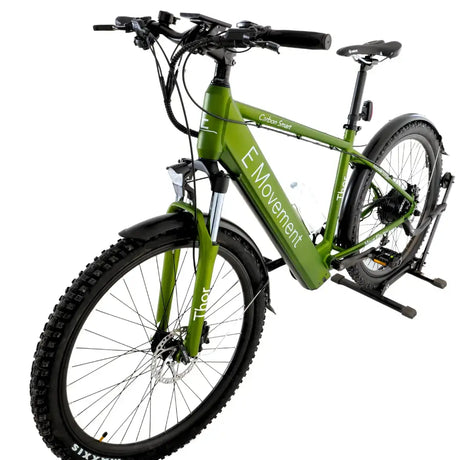
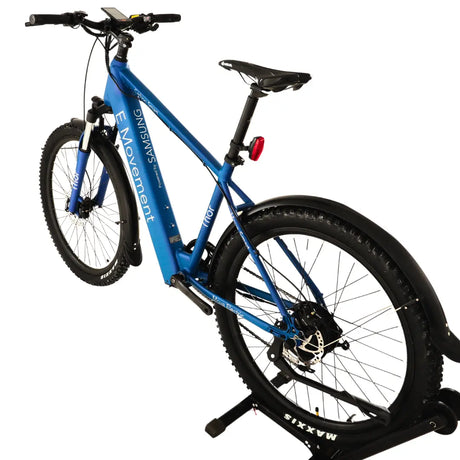
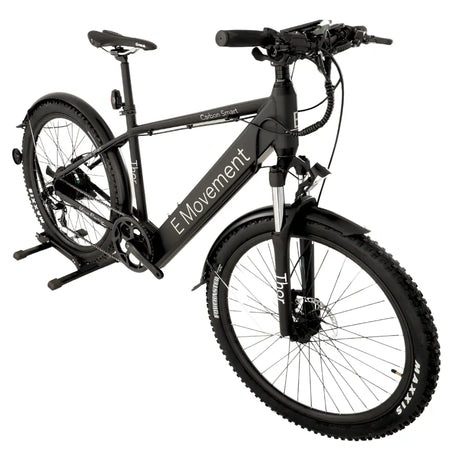
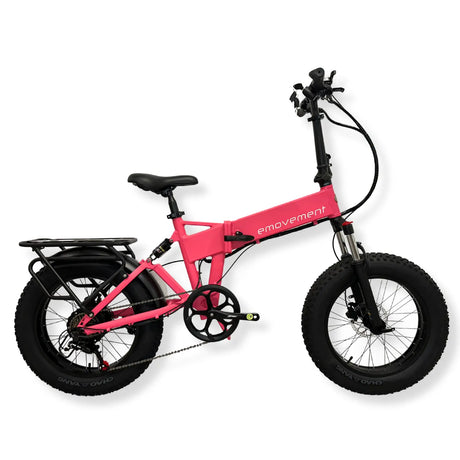
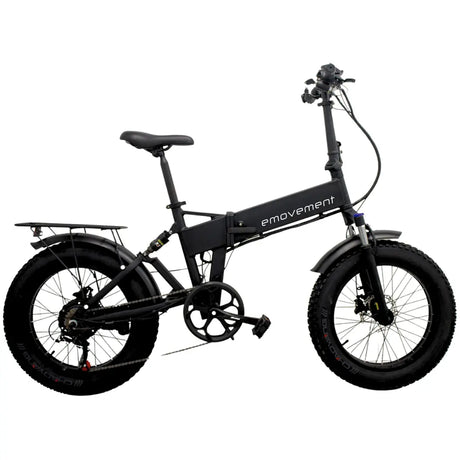
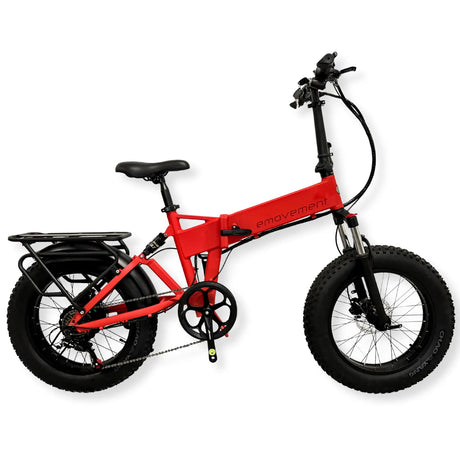
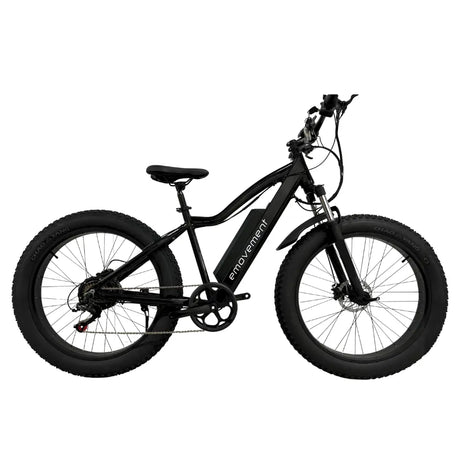
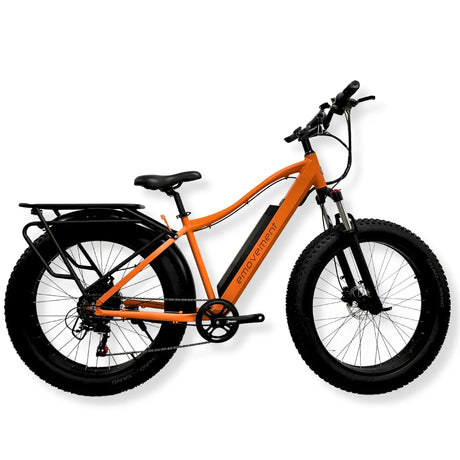
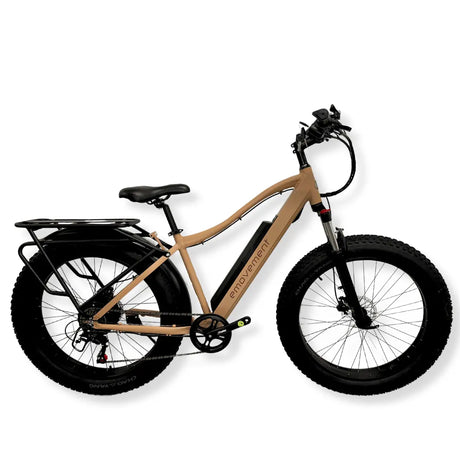
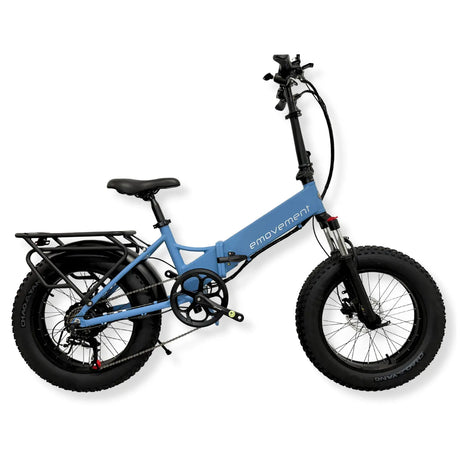
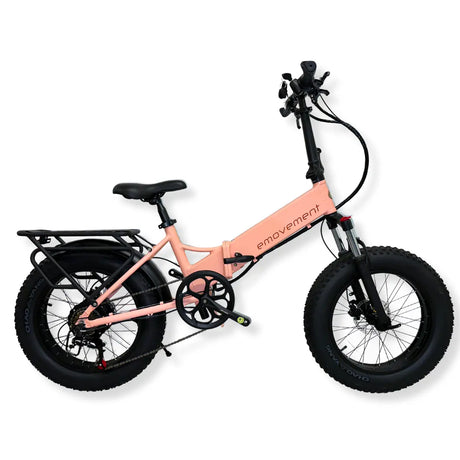
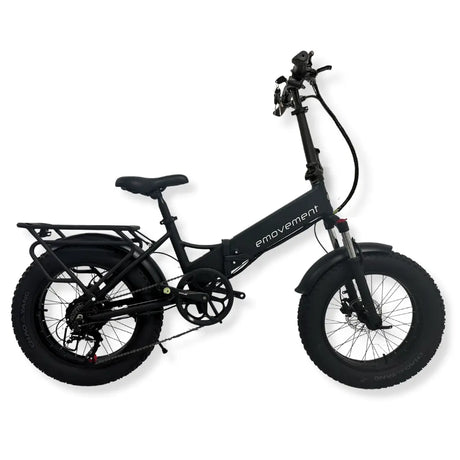
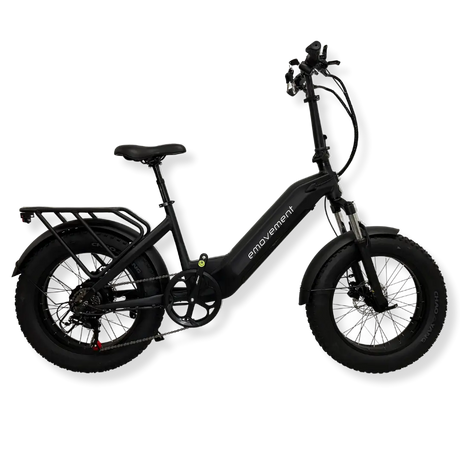
Start by browsing our range of UK‑legal electric bikes, all of which are EAPC compliant and therefore eligible for Cycle to Work when your employer supports the scheme:
Selecting accessories
Cycle to Work lets you include many accessories in your claim. This is an opportunity to outfit your bike with helmets, lights, locks and bags for safe, everyday use. Including these essential items can improve your riding experience and safety, and make the most of the financial savings available through the scheme.
Steps to apply for Cycle to Work
Here is a simple flow to follow if you want to use this support:
1. Check whether your employer participates in a Cycle to Work scheme. Ask HR or your manager.
2. Select your bike and accessories that meet the EAPC requirements.
3. Generate a certificate or voucher through the scheme provider.
4. Present the certificate at checkout with the retailer.
5. Repay via salary sacrifice as set up by your employer.
If your employer is not currently part of a scheme, it is often possible to ask them to register. Many providers make it straightforward for businesses to sign up.
Final tips for 2025/26
Plan early. Cycle to Work schemes are processed through your employer and may take time to complete.
Check eligibility carefully. Only EAPC-compliant bikes qualify. Confirm with your retailer before you choose.
Include accessories. Many riders miss savings by excluding helpful gear.
Watch for local schemes. Community grants may offer extra support alongside national options.
Government and employer support makes e-bikes more affordable and support sustainable travel. These programmes reward everyday riders and commuters for choosing greener transport. By understanding the available options for 2025/26, you can make a decision that fits both your budget and your lifestyle.