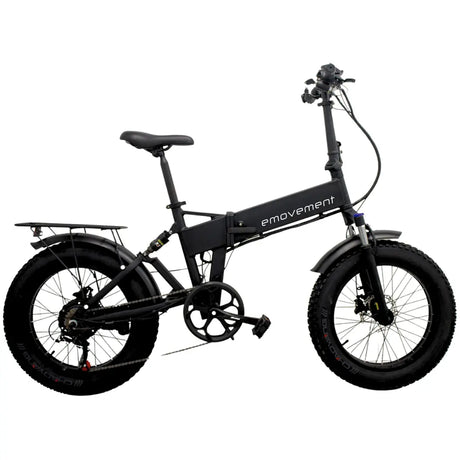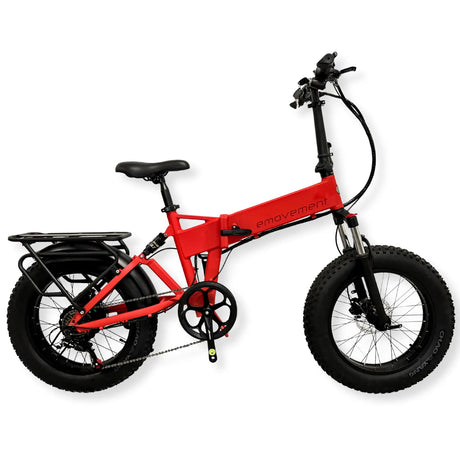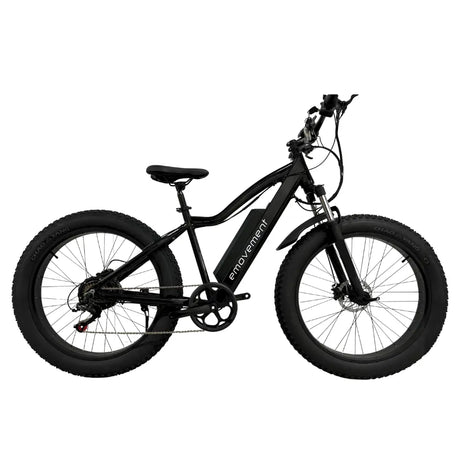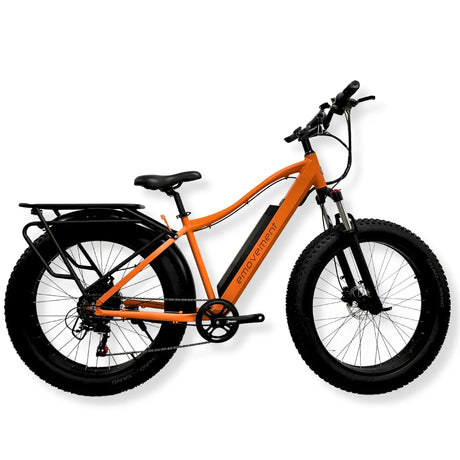

Electric bikes are the way of the future, in the United Kingdom.There has been rapid change in the United Kingdom with regard to the field of transportation. Due to the rise in fuel prices, traffic congestion, and jam in the road, the majority of the people have opted to use the smarter mode of transportation. The second most promising mode of transportation in the future is the electric bike. Electric bikes have been defined as conventional bikes with a small electric motor to assist the rider while he pedals the bike. This will be helpful to the rider to travel long distances without making much effort. The majority of the people in the cities of the United Kingdom have contemplated the idea of using electric bikes for commuting, etc.
How Electric Bikes Work?
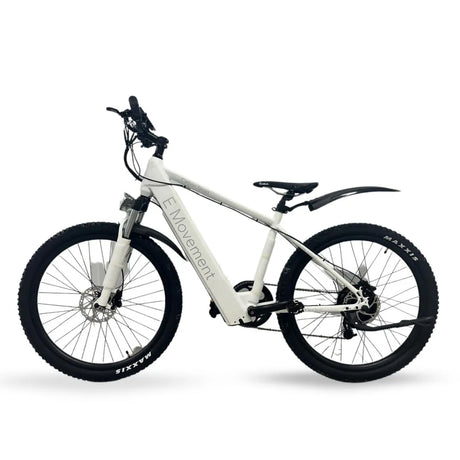
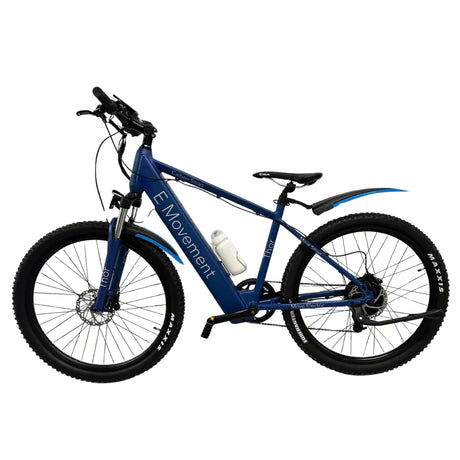
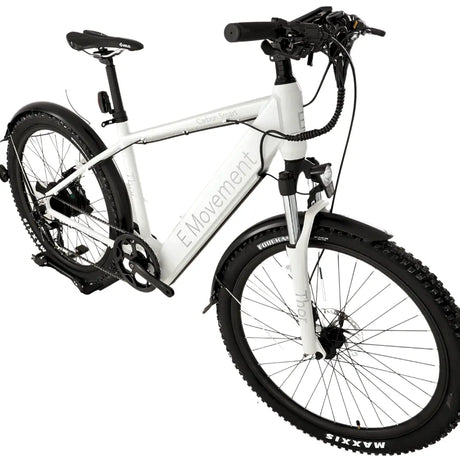
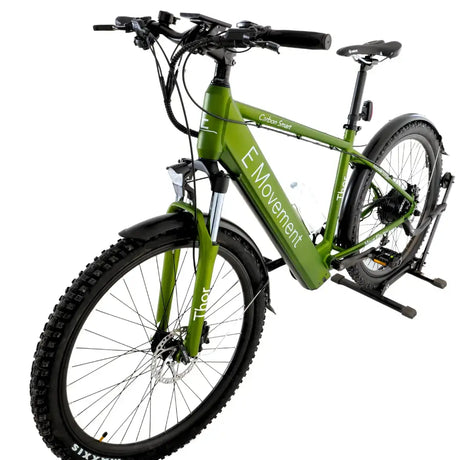
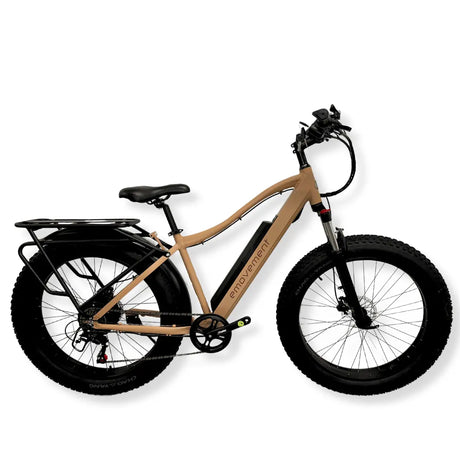
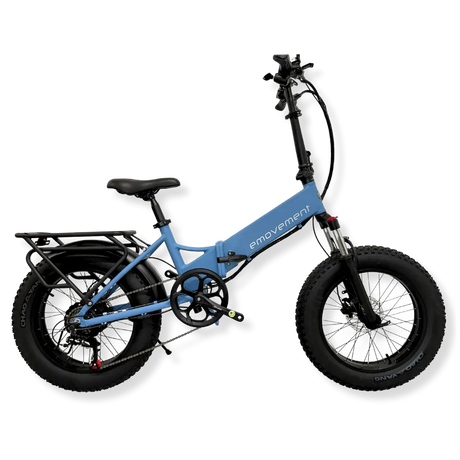
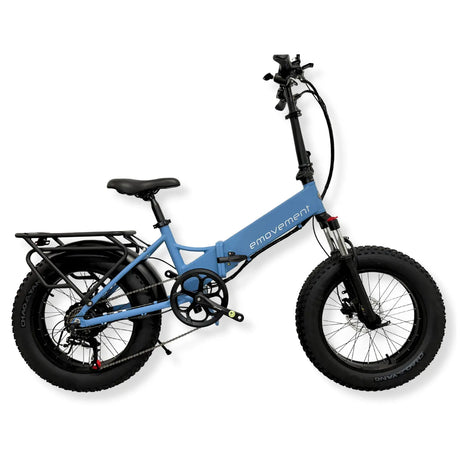
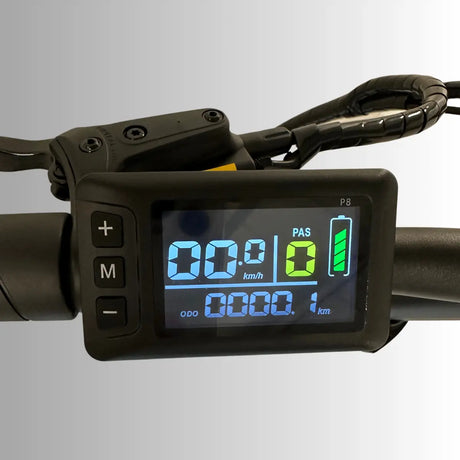
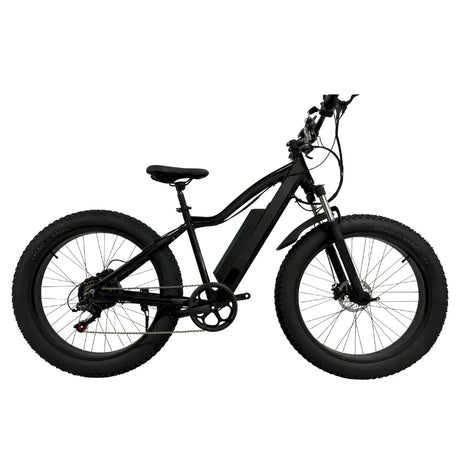
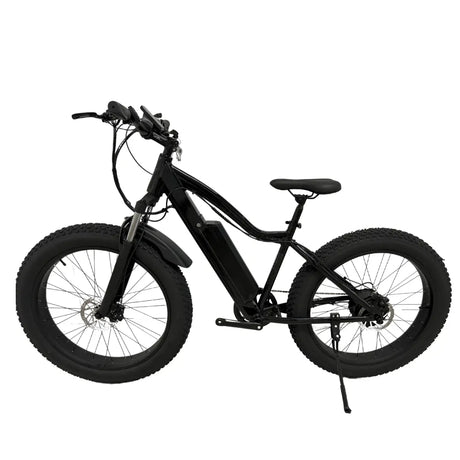
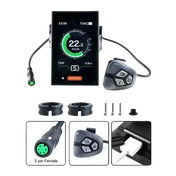
Electric bikes just like regular bikes with some smart assistance. The basic components required for an electric bike are:
1.Electric Motor: Helps the rider during pedaling
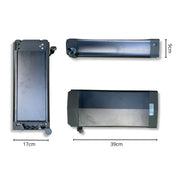
2.Rechargeable Battery: Stores the power required for the motor
3.Controller System: Controls the assistance given to the rider While pedaling your bike, your motor will assist you slightly.
This will help you ride your bike up hills, travel more distances, and even attain greater speeds during your ride. In the UK, there are certain regulations for using electric bikes. For example, the power output of your motor must not exceed 250 watts. When your speed passes 15.5 mph, the motor shuts off on its own.

Can an E-Bike Substitute for Your Car?
Bicycles and e-bikes have become a modern and sophisticated form of transport in the UK, owing to the increasing cost of car ownership, the creation of low emission zones, and extensive funding by the government to improve cycling infrastructure.
1. Financial Savings: Bike vs. Car
If you start riding a bike or e-bike instead of driving, you could keep an extra £2,000–£4,000 in your pocket each year. This is due to the following reasons:
Fuel & Power:
Fueling the car can cost up to £1,100 annually. Fueling the bike is completely free as it runs on the user’s energy, and the cost of recharging the batteries of an e-bike is just a few pounds annually.
Tax & MOT:
Taxing the car can cost up to £150-£300 annually, and in addition to that, it has been proposed that new high emission cars will have to pay £5,690 in the first year of owning the car. In contrast, no tax is incurred, and no need exists to have it MOT’d.
Insurance:
Even though the insurance cost for the car can go up to £600, there will be no need to insure the bike, which is also a highly cost-effective option.
Maintenance:
Even though the maintenance cost for the car can go up to £300-600, the maintenance cost for the bike can go as low as £50-150.
2.Government Incentives
The UK government is highly supportive of the use of bicycles. The government wants to encourage people to use bicycles as a mode of transport. There are many incentives given by the government to use bicycles, such as not having to register the bicycle, not having to insure the bicycle, and not having to pay road tax for the bicycle. There are many bicycle-friendly policies in place in the country. This is done through incentives. One such incentive is the Cycle to Work Scheme. This scheme enables employees to save money on bicycles and accessories.
Cycle to work scheme
The Cycle to Work Scheme enables employees to save up to 25-47% of the cost of bicycles and accessories. This money is saved as the employee does not pay tax on this amount. The best part of this scheme is that there are no limits to the amount of money one can spend to purchase a fancy e-bike.
Regional Grants:
The UK government has also Introduced Regional Grants in Scotland. You can get an interest loan of up to £6,000 for e-bikes or cargo bikes through the Energy Saving Trust
Infrastructure & Urban Efficiency:
The UK government is working hard to make the use of bicycles more efficient. This is done through the improvement of infrastructure.
Active Travel Funding:
The UK government is investing £291 million to build 300 miles of new cycle routes and footpaths between 2024 and 2026. That means more safe and easy ways to get around on two wheels!
Time Efficiency:
Cycling can save you a lot of time. You won’t get stuck in traffic jams, and you won’t waste time hunting for parking spots that can cost up to £8 per hour
London Connectivity:
By March 2026, all the national cycle routes in Great Britain will be mapped out. That makes it super easy for cyclists to plan their rides and get around the city smoothly. In a busy place like London, biking can actually be faster and less stressful than driving or even taking public transport.
3. Environmental & Health Impact
Cycling isn’t just good for you it’s good for the planet too! Cars produce 120–200g of CO₂ per kilometer, but riding a bike doesn’t release any CO₂ while you’re moving. Plus, it’s a great way to stay active and health.

Electric Bikes vs Public Transport:
The Urban mobility through public transport is a significant sector, though it is not without limitations.
Travelers are often exposed to congested trains, time wastage and set train times. The use of electric bikes gives more freedom to their owners since they have the freedom to go whichever they want and have the option of the routes to take.
Riding on an electric bike may also help in avoiding the use of the general transport systems during the rush hours.
Due to such benefits, a great number of individuals consider electric bikes as the willing alternative to public transportation to travel to their workplaces every day.

Do Electric Bikes Need Insurance in the UK?
One of the questions that people always raise is whether electric bikes need insurance or not.
Un-modified electric bikes that comply with the UK laws will usually not need insurance, road tax, and a driving license. Nevertheless, other riders are willing to buy an insurance in case their bike is stolen or damaged in the course of an accident.
Liability insurance of the electric bike might also be done in the event of accidents involving other individuals or their property.
Although insurance is optional, it may have an extra benefit as it will add some security to the electric bike owners
Electric Bike Prices in the UK
The price is one of the issues that people raise the most when deciding to switch to an electric bike. Although electric bikes might end up being quite expensive as compared to a regular bike, this remains very cheap as compared to owning and maintaining a car.The price of an electric bike can be different in the UK, depending on the brand, battery, motor quality and other features.
Price of the average Electric bikes in the UK.In the UK, the prices of electric bikes can be divided into three categories:
Entry-level electric bikes (£700–£1,200)
Mid-range electric bikes (£1,200–£2,500)
Premium electric bikes (£2,500–£5,000+)
Common Electric Bike Safety Regulations:
Electric bikes can be considered one of the modes of transport, and they are environmentally friendly too. People in the UK need to follow safety rules in order to have a safe ride to school or to work.
Motor power and speed limits:
The motor in a bike should not be too powerful. It should not be more than 250 watts. Also the electric help should stop when the electric bike goes fast which is 15.5 miles per hour. This way the electric bike is safe to ride on the road like a regular bike.
Age requirements:
You have to be at 14 years old to ride an electric bike in the UK.
Lights and reflectors:
If you are riding your bike at night, you should have lights at the front and at the back. You should have reflectors too, so that people can see you.
Helmets and protective gear
You do not have to wear a helmet if you’re an adult but it is a very good idea to wear one when you ride an electric bike.
Road rules
Electric bikes are subject to the same rules as other bikes.

Frequently Asked Questions
1. How far can electric bikes travel?
Most electric bikes can travel 30 to 60 miles on one battery charge. It is depending on the quality of the roads
2. Is cycling really cheaper than driving or taking transport?
Yes. The initial expense of my ebike purchase requires me to spend money. Expenses for my ebike after that time include neither fuel nor road tax nor insurance nor parking fees.
3. What is the Cycle to Work scheme? How money can I save with the Cycle to Work scheme?
The Cycle to Work scheme operates as a government program which enables employees to purchase both Ebike and safety equipment. The Cycle to Work scheme allows you to save between 25 to 47 percent of my total ebike expenses.
4. Can an E-Bike Substitute for Your Car ?
Yes you can operate your ebike as a substitute for driving a vehicle. Your ebike enables you to travel distances of up to 30 kilometers to reach my workplace. The system enables me to ascend hills without experiencing any sweating as you arrive at work using my ebike.