
Electric bicycles have rapidly transformed the mode of transport in the cities, making them a preferred choice for efficient traveling. But it is necessary to keep in mind that riding an electric bike on British roads needs a different level of caution due to the additional weight and speed of such bicycles.
This comprehensive guide outlines the most common causes of e-bike incidents in the UK, vital legal frameworks, essential safety equipment, and practical tips to protect yourself and others on every journey.
Common Causes of E-Bike Accidents in the UK
Understanding the main risks can help riders make safer decisions.
Let’s dive in and explore the most common causes.
1. Driver Blind Spots and Junction Visibility
When drivers pull out from roundabouts and urban crossroads, it is possible that they will not be aware of any approaching electric bikes. The rapid acceleration of an EAPC makes its speed more difficult to gauge. This increases the chances of accidents on the junction due to the lack of visibility.
2. E-Bike Battery Fires and Thermal Runaway
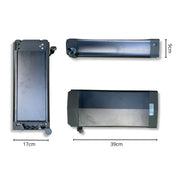
Any damages done to batteries and poor construction of batteries may result in fires caused by a battery thermal runaway in the UK. In addition, using incompatible and non-certified chargers or conversion kits might contribute to such a threat. Appropriate charging practices and regular checks of batteries prevent overheating and other related dangers.
3. Potholes and Poorly Maintained Roads
There are many risks that cyclists face while riding their e-bikes in the UK, and potholes, loose gravel, deteriorated tarmac or surface are one of them. Riding over some surface defects may impact control over steering and balancing because of the added weight of the vehicle. It is necessary to decrease the speed when you approach any defect.
4. Illegal Speed De-Restriction and Modifications
Removal of the speed restriction mechanism or installation of an incompatible high-powered motor will move your e-bike outside UK laws regarding electric bicycles. Components of modified e-bikes could be those which were not intended for higher speeds or higher levels of power. Ensuring that your e-bike stays under EAPC 250W and 15.5 mph regulations will enable you to stay within the legal driving conditions.
5. Worn Brakes and Mechanical Problems
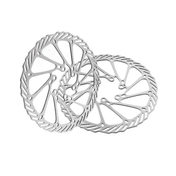
Weight of an electric bicycle requires the bike’s brake system to be checked periodically. Ineffective brake pads, cracked disc, loose parts or misadjusted brake systems increase braking distance. Regular e-bike servicing and brake checks in the UK can help identify mechanical problems before they affect your ability to stop safely.
6. Car Dooring on Busy UK Roads
Dooring becomes a serious concern for the cyclists as a result of opening of car doors unexpectedly. This is especially true in the case of UK high streets and cycle lanes. You need to maintain adequate distance from parked cars and slow down when moving through parked vehicles.
7. Lack of Skill and Poor Handling
New users of e-bikes might take some time to get used to the weight, speed, braking, and handling of the bike. Riding the e-bike at high speeds when taking corners and miscalculating distances while stopping may result in the loss of control, especially on wet roads and slippery cycle paths. Practicing in a quiet area can help improve e-bike handling.
8. Pedestrian Conflicts on Shared Paths
Pedestrians do not necessarily know that an e-bike is approaching, especially in crowded areas where cyclists are moving silently on the shared path. It is advisable to apply the UK cycling laws for mixed-use paths. The cyclists should reduce speed while passing by pedestrians, give sufficient space and use the bell where necessary.
Safety Tips to Reduce the Risk of E-Bike Accidents in the UK
Simple precautions can make everyday e-bike journeys safer.
Here are practical tips to help reduce accident risks
Know UK E-Bike Laws and Limit
-
Follow UK e-bike restrictions: A compliant UK EAPC (Electrically Assisted Pedal Cycle) should have assistance from the motor up to 15.5 mph (25 km/h) and not exceed a power of 250 watts.
-
Do not alter your e-bike: Alterations to the motor or derestriction of the speed are not allowed. An e-bike that is non-compliant with the UK requirements is more difficult to control.
-
Verify the minimum age for the rider: In the UK, you must be 14 or over to ride an EAPC on public roads and cycle paths.
Road Habits and E-Bike Handling
-
Get used to the additional weight: E-bikes weigh more than regular bikes, so get familiar with steering, turning, and stopping maneuvers before using an e-bike in British traffic.
-
Apply acceleration gradually: Start from a stop point in a gentle manner without accelerating suddenly, especially near pedestrians and intersections.
-
Brake earlier: The additional weight and increased speed require you to brake earlier than you normally would.
-
Stick to the Highway Code: Respect all road signs, obey traffic lights and cycling laws, signal clearly, and stay in a safe position on the road.
-
Do not ride on pavements: Do not cycle on pedestrian paths except where it is permitted. Be considerate to pedestrians and ring your bell appropriately.
Visibility and E-Bike Safety Gear
-
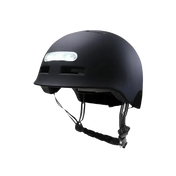
Wear a properly fitted helmet: It is not compulsory to wear a helmet in the UK but doing so would ensure that you have extra safety in case of a crash.
-
Make yourself visible: Wear highly visible clothing to increase your chances of being seen by other road users when cycling in low lighting conditions in the UK.
-
Install required bike lights: Ensure that you have the required lighting equipment installed in your bike if you are riding from sunset to sunrise.
Essential Equipment to Prevent E-Bike Accidents
The right safety equipment can help you stay prepared on the road.
Let’s find out which equipment can improve your riding safety
-
Select a good e-bike helmet: Wearing a correct cycle helmet is helpful to ride an e-bike safely on UK roads.
-
Keep the disc brakes in good condition: Maintaining proper brakes on the e-bike ensures safety while riding it in wet conditions, busy roads, and cycle paths.
-
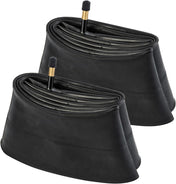
Select puncture-resistant tires: Select a durable tyre of the e-bike for UK roads to avoid punctures from potholes, gravel, and road debris.
-
Install front and rear lights: Use appropriate white front light and red rear light on the e-bike to ensure visibility on UK roads.
-
Have a cycle bell: Using a cycle bell will help alert pedestrians and cyclists while riding on cycle paths in the UK.
-
Install handlebar mirrors: Installing a wide angle mirror on the handlebar of the e-bike ensures safety on busy UK roads.
Choose E-Movement for Safer UK E-Bike Riding
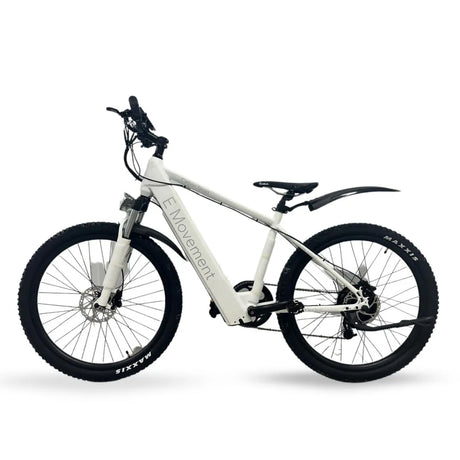
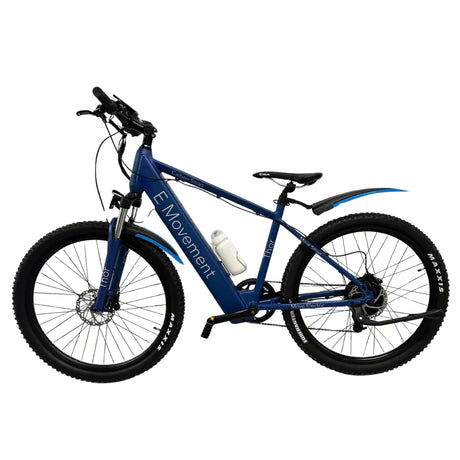
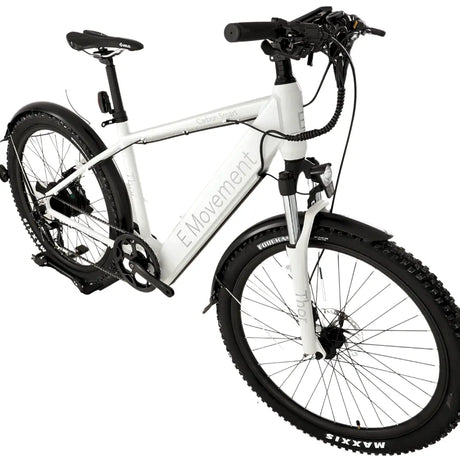
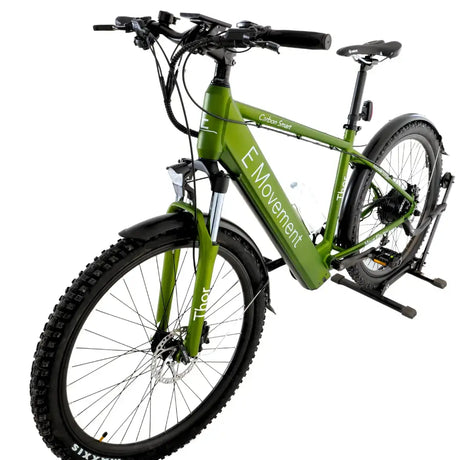
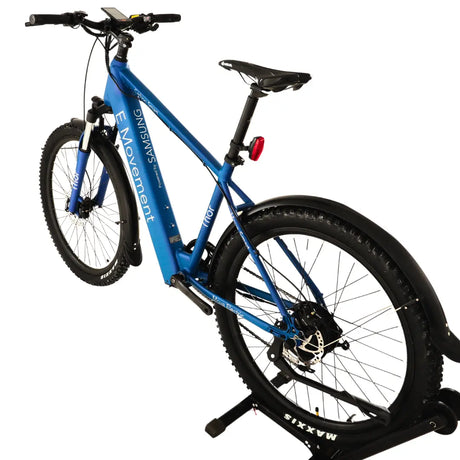
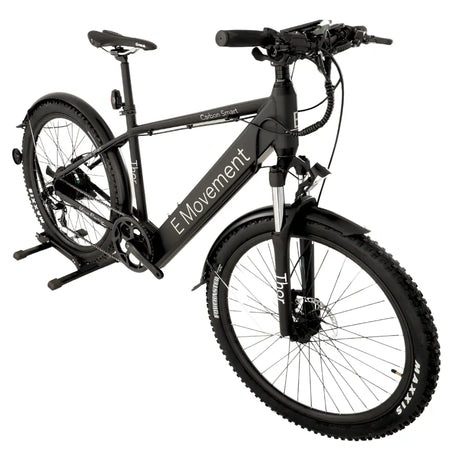
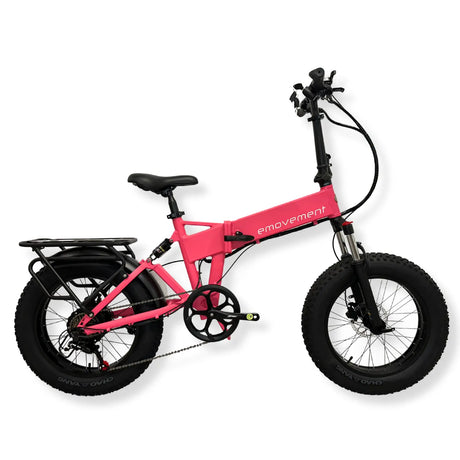
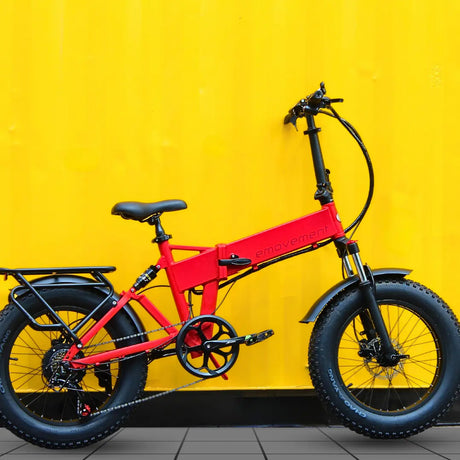
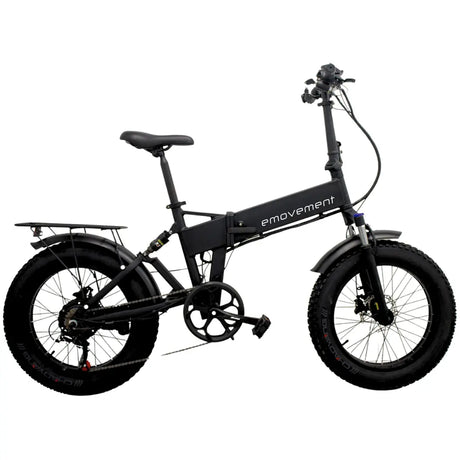
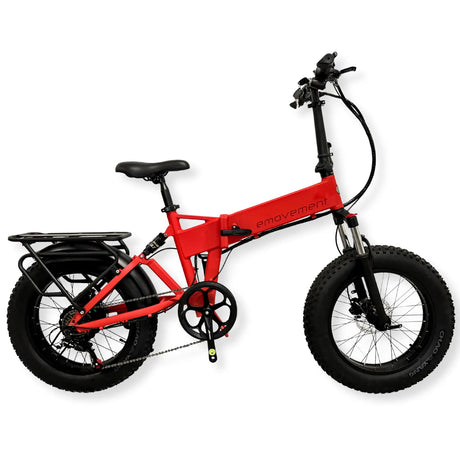
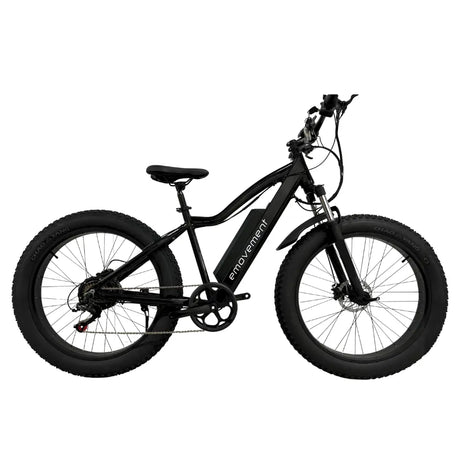
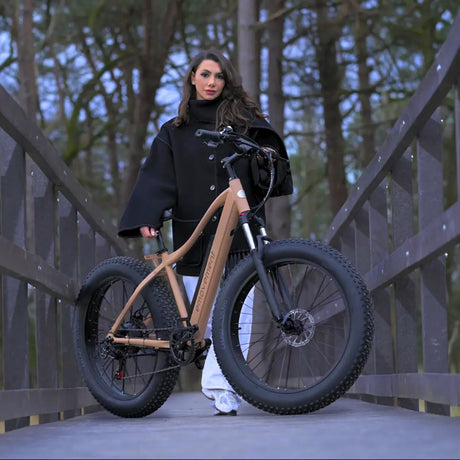
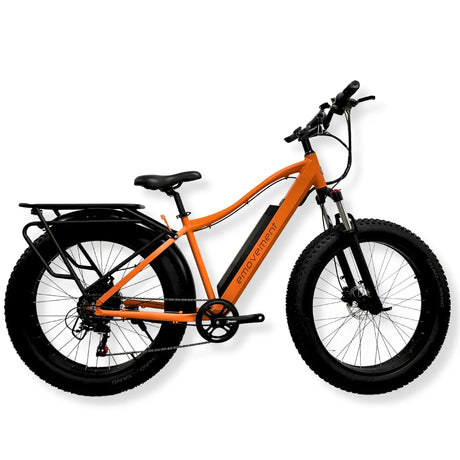
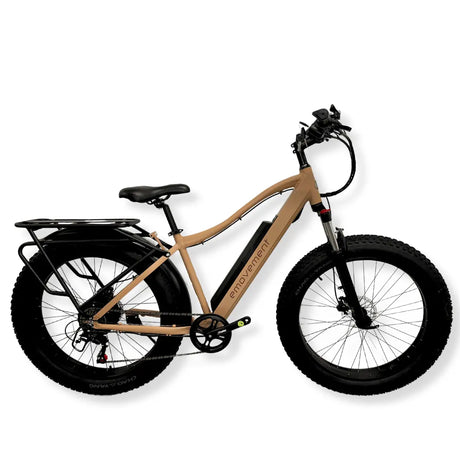
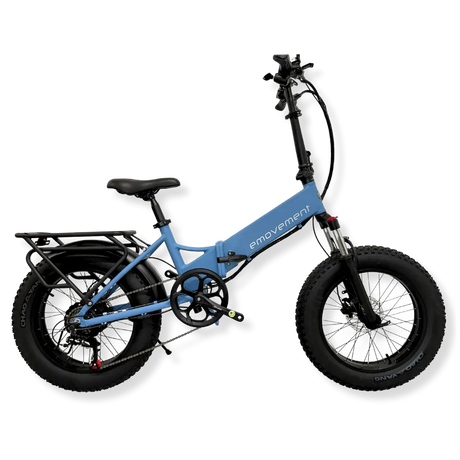
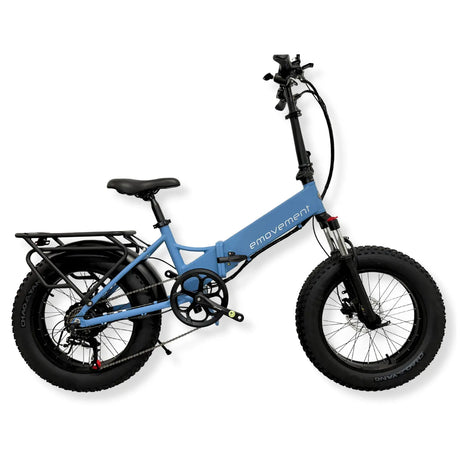
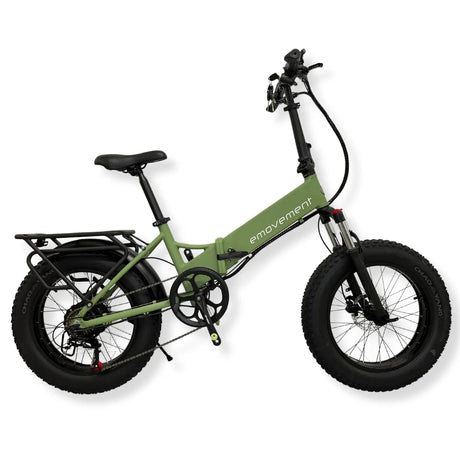
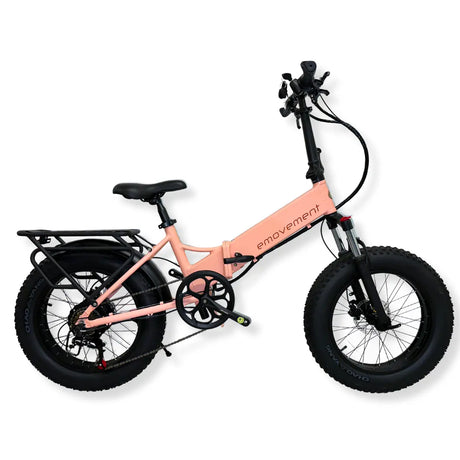
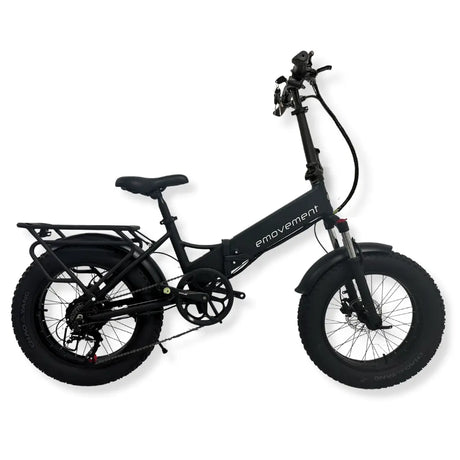
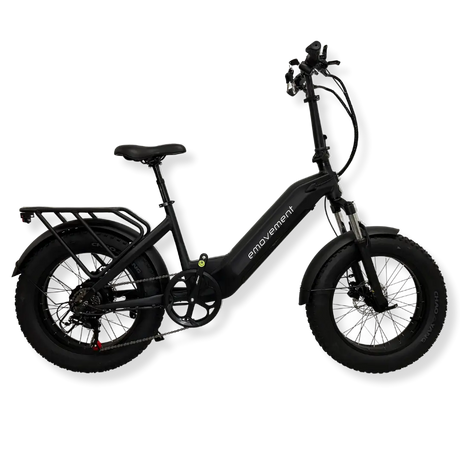
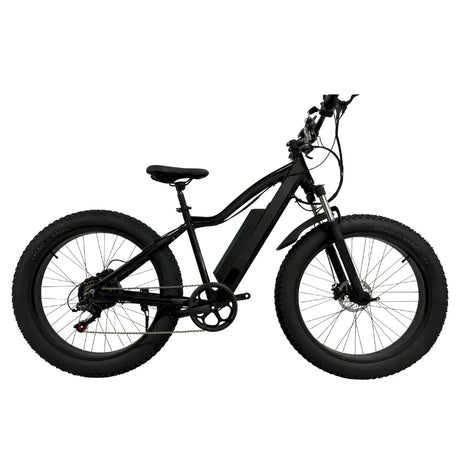
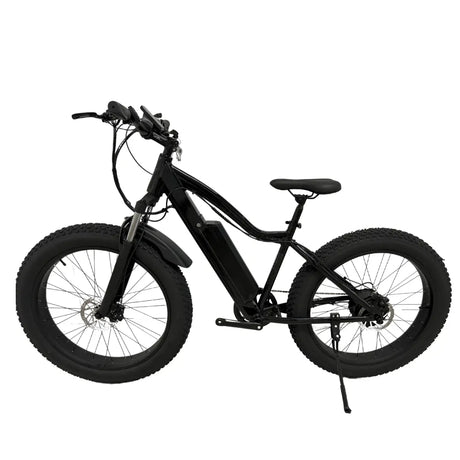
Choosing a reputable electric bike brand can help prevent any road problems from occurring proactively. E-Movement UK based ebike reputable brand manufactures their commuter and fat-tyre electric bikes in a way to mitigate risks of accidents on UK roads. To ensure safety during rides, be aware of these features provided by manufacturers:
-
Superior Stopping Power: Electric bikes with high-end hydraulic disc brakes provide an optimal stopping distance even in conditions when riding a heavy e-bike frame in wet conditions.
-
Advanced Battery Technology: Brands that incorporate reliable Samsung batteries with a Battery Management System (BMS) minimize risks of electrical malfunctions and thermal runaway.
-
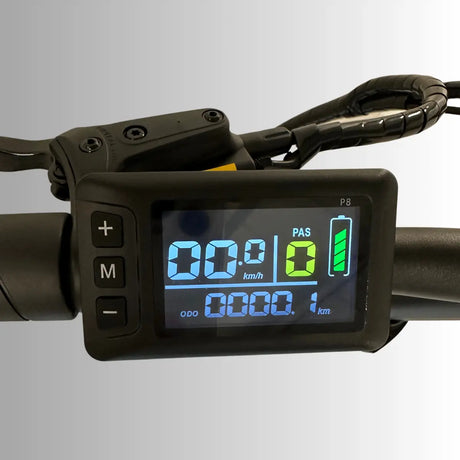
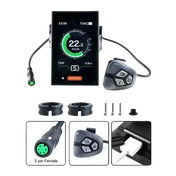
Waterproof Protection: Riding in rainy weather conditions of the UK could lead to electrical malfunction due to short circuits.E-bikes featuring IP65 water resistance shield the motor and digital displays from heavy rain and road spray, maintaining critical mechanical integrity
Frequently Asked Questions
1. Does an e-bike need to have pedals to be legal in the UK?
Yes. For the e-bike to be considered an EAPC, it must have pedals that can be used to move the bike. An e-bike that lacks usable pedals is not considered an EAPC bike.
2. What should I do after an e-bike accident?
Go to a safe place if you can, see if anybody needs assistance, and inform the authorities in case there is any necessity. Have your e-bike checked in case it has been damaged, especially if its brakes, wheels, frames or battery may have been affected.
3. How can I prevent accidents when riding an e-bike in the rain?
Reduce your speed, give yourself some more room to stop, do not brake and steer suddenly, and drive carefully on wet road markings, potholes and slippery surfaces.
4. Can I ride an EAPC on cycle paths in the UK?
Yes. A proper EAPC can be driven on cycle paths and all other places where the pedal cycles are allowed. But it cannot be driven on pavements.
5. How can I reduce the risk of an e-bike battery problem?
Use the recommended charger by the manufacturer and observe the manufacturer's battery charging instructions. Regularly check the battery and its connections for visible damage, and do not continue using a damaged battery.
Ride Safer with the Right E-Bike
Avoiding e-bike accidents starts with safe riding habits, regular checks, and choosing a reliable bike that suits your everyday journeys. Explore the E-Movement range of electric bikes and find a dependable option for safer, more confident riding on British roads.
Contact us
📍 Visit Our Store: 12 Broadway Woking. GU21 5AP
📞 Phone: +44 1483 363063
📧 Email: move@emovement.co.uk